Why nobody really sells analog copiers anymore
Walk into a copier dealer in Madrid in 2026 and ask for an analog copier. The sales rep will ask you to repeat the question. Then they will explain that nobody on the dealer floor has sold a new analog unit since 2010. Then they will offer to look in the refurbished inventory, and probably come back with a unit built before 2008. The category vanished from new manufacturing during the digital pivot of the late 1990s and early 2000s, and the few remaining units in service are antique equipment kept alive for narrow reasons.
The death of analog was not a single event. The category died slowly across about fifteen years as digital architecture became cheaper, more capable, and more connected.
What an analog copier was
An analog photocopier reproduced an original document onto a fresh sheet of paper without any digital intermediate stage. A lamp scanned across the original under the platen. A series of mirrors folded the optical path to bring the reflected light onto a charged drum. Where light hit the drum, the photoreceptor coating discharged. The remaining latent image picked up toner and transferred to paper. The same six step electrostatic process modern machines use. The difference was that the image moved through the chassis as light and electrostatic charge, never as digital pixels.
Analog copiers had no print queue, no scan to email, no network port, no hard drive, and no controller running embedded Linux. They had a copy button, a number of copies dial, paper size selectors, and a contrast adjustment. The user placed an original, set the count, pressed start, and walked away with copies. That was the entire feature set. The end to end process and the components that drive it on modern machines is at How a photocopier actually works in six clear steps.
 Through the early 1990s analog covered the office copier market almost entirely. Xerox, Canon, Ricoh, Sharp, Konica, Minolta, Toshiba, and IBM all shipped large analog ranges. The Xerox 5800 series, the Canon NP-6000 series, the Ricoh FT series, and the Sharp SF series were standard equipment in millions of offices around the world.
The digital pivot that killed the category
Between 1995 and 2002 every major copier manufacturer pivoted its product line from analog to digital architecture. The trigger was a combination of three forces. Microprocessors got cheap enough to put into a copier without raising the bill of materials by more than a small percentage. Network printing became standard in offices, creating demand for copiers that could also receive print jobs from computers. Document workflows started to require scanning, and analog machines could not scan at all because they had no digital intermediate.
The first wave of digital copiers shipped between 1995 and 1998. Xerox launched the DocuCenter series in 1996. Canon launched the GP-200 series in 1997. Ricoh launched the Aficio series in 1998. The early digital copiers cost roughly 30 to 50 percent more than equivalent analog units of the same speed but added network printing, scan to email, and the print queue features that offices were starting to need.
By 2002, digital units were cheaper to manufacture than analog units of the same speed because the digital chassis had fewer mechanical moving parts and more standardized electronics that benefited from supply chain economies. Analog production lines began closing across the major manufacturers. The historical sequence and the specific brand transitions are at A short walk through the history of the photocopier from Carlson to today.
The cost gap that closed
 Through the 1990s an analog copier and a digital copier of the same speed sat at very different price points. By 2005 the price gap had collapsed. By 2010 a digital unit cost less to manufacture than an equivalent analog unit because digital chassis used fewer mechanical parts and shared subassemblies with desktop printers and laser fax machines.
The cost convergence happened on three lines simultaneously. The mechanical scan path on an analog copier required precise mirror alignment, lens grinding, and lamp calibration that digital units replaced with a CCD or CIS sensor and a laser scanning unit. The control electronics on an analog copier required custom analog circuit boards that digital units replaced with off the shelf microcontrollers. The user interface on an analog copier required mechanical levers, knobs, and counters that digital units replaced with a touchscreen panel running standard software.
By 2008 the major manufacturers had stopped engineering new analog product lines. Existing analog inventory continued to ship through 2012 in some regions, but no new analog development happened after that point. The dealer segment classification reflected the shift, with analog units dropping out of Segment 3 and Segment 4 first and remaining only in Segment 1 lower volume slots until those also ended. The full segment mapping is at What the industry copier segments from one through six actually mean for you.
What forced the network connection
Office IT in 1998 was different from office IT in 2008. The 1998 office had paper documents in filing cabinets, a few PCs, and a copier that copied paper to paper. The 2008 office had paper documents being actively digitized into Windows file servers, Microsoft Exchange running email for the team, and a copier that needed to scan paper into the same digital systems where the rest of the documents lived.
An analog copier could not participate in this workflow. The paper had to be moved separately to a desktop scanner or to the IT department for digitization. The friction of having a copier sitting next to a separate scanner, instead of having one machine that did both, was enough to push every office above ten staff toward a digital MFP. The everyday distinction between scanning workflows and pure copy operations is laid out at How a photocopier differs from a printer an MFP and a copier in everyday office life.
Once digital MFPs could scan to email and scan to network folders, the case for analog evaporated. The analog category lingered briefly in two niches, both narrow and both shrinking. High security environments that wanted air gapped equipment with no network port. Cost sensitive low volume slots where the cheapest analog unit still beat the cheapest digital unit on hardware list price by a few hundred euros.
The narrow niches where analog persists
Defense contractors and intelligence agencies in some jurisdictions still source analog copiers when they exist as new builds, or refurbished analog units when they do not. The reasoning is that an analog copier has no hard drive to forensically recover and no network connection to remotely exploit. Documents copied on an analog unit leave no digital trace. For environments where document handling is itself a regulated activity, the absence of a digital footprint is a feature.
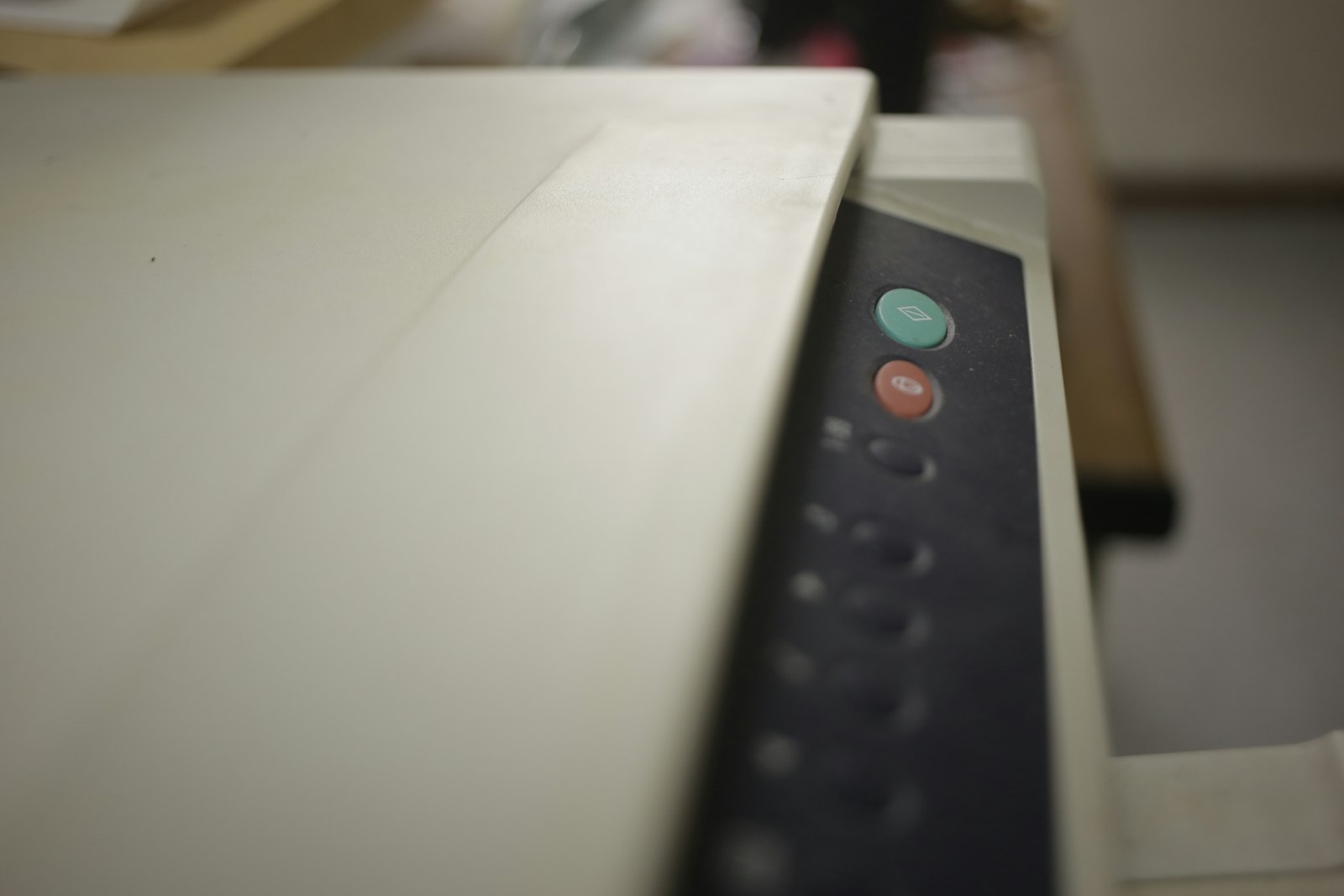 Some specialized industrial environments operate in conditions that make modern MFPs unreliable. High dust, high vibration, extreme humidity, or strong electromagnetic interference can degrade digital electronics in ways that older purely mechanical analog units shrug off. Mining offices in remote regions, oil platform document workflows, and some heavy manufacturing settings keep older analog equipment running because nothing newer survives the conditions.
Academic and museum collections also keep analog copiers operational as historical equipment. The Computer History Museum in Mountain View, California, operates a working Xerox 914 in its collection. Several university media archaeology programs maintain analog copiers as research subjects. None of these uses are commercial markets in the sense that drives manufacturer production decisions.
The refurbished and grey market
Refurbished sellers occasionally have analog units in inventory, sourced from estate purchases of dissolving offices or from public sector decommissioning auctions. A refurbished Canon NP-6230 in working condition might sell for 500 to 1,500 euros depending on remaining drum life and visual condition. Compatibility with modern toner is uneven because some analog cartridge formats are no longer manufactured.
The toner availability problem is the binding constraint on long term analog operation. Manufacturers stop producing OEM toner for legacy analog units within five to ten years after end of production. Compatible toner from third party manufacturers fills the gap for the most popular models for a few years longer. Once both OEM and compatible supply ends, the unit becomes a service problem rather than a working machine. Most analog units in service in 2026 are running on stockpiled toner from before the supply ended, and the stockpile has a finite end date.
Service technicians qualified on analog equipment are also aging out of the workforce. Most copier technicians under 40 have never serviced an analog unit and lack the training to do so. The few independent repair shops that still handle analog equipment in Spain, Italy, and France are usually run by technicians close to retirement. The infrastructure to keep analog units operational has a clear end date, and that date is somewhere in the 2030s.
Why the category is not coming back
Periodic talk in trade publications floats the idea that air gapped analog copiers might return as a security counter to expanding cyber threats against networked office equipment. The argument is that an analog copier offers an unhackable copy operation that no digital MFP can match. The argument has not produced any new analog product launches.
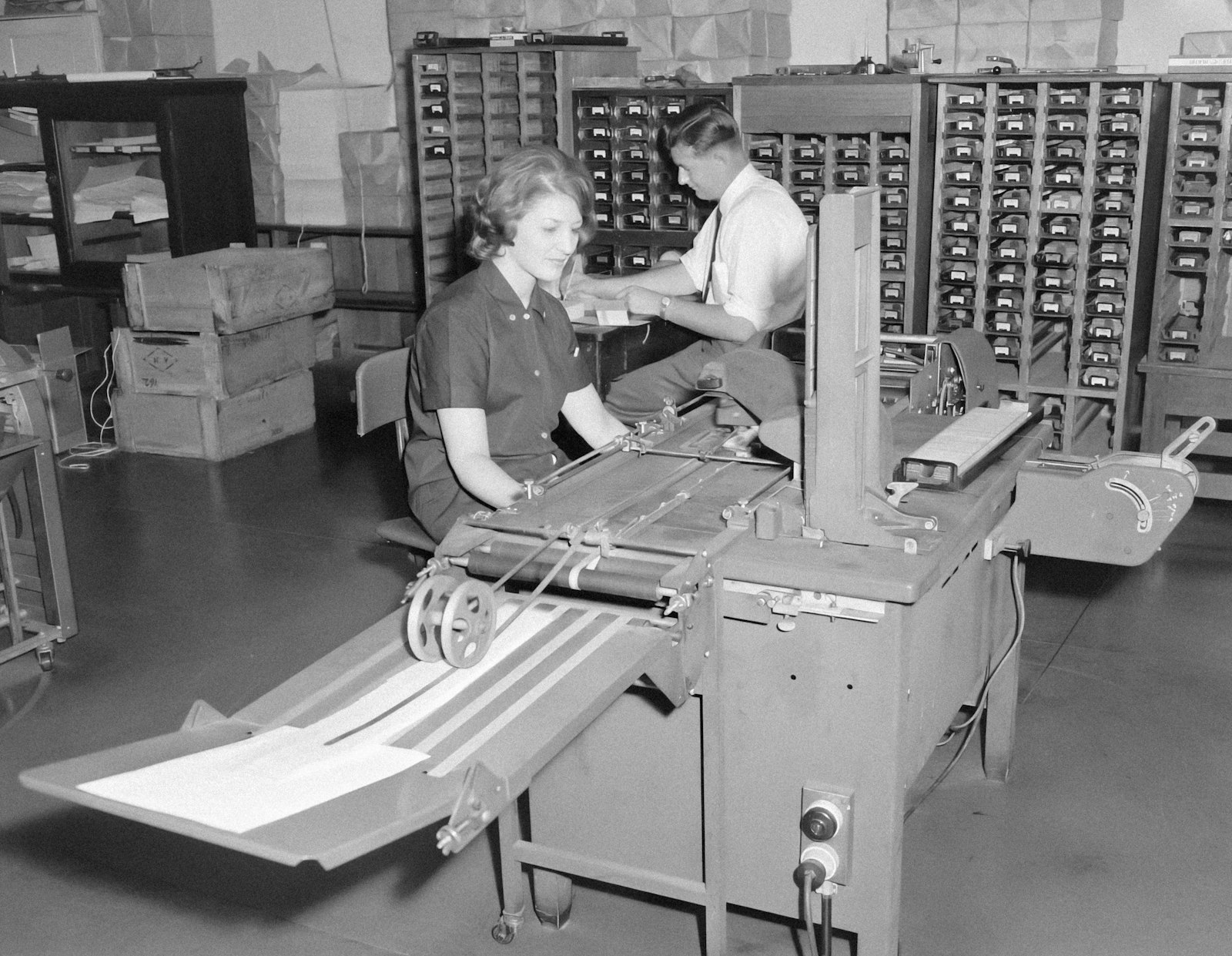 The reasons a return is unlikely sit in the supply chain. Manufacturing analog optical scan paths requires lens grinding capacity, mirror coating capacity, and analog circuit assembly that the major manufacturers have either discontinued or sold off. Restarting any of those would cost tens of millions of euros for a market that demand forecasts at perhaps a few thousand units a year worldwide. The unit economics do not support reentry.
The few new niche products that fill the air gapped office equipment slot are different categories entirely. Standalone document scanners with no network connection, often used for digitizing paper into encrypted local storage. Single function laser printers with no scanner, used in environments where scanning is forbidden but printing is allowed. The gap that analog copiers used to fill has largely been redistributed across these adjacent categories. The case for keeping a single function laser printer in those scenarios sits at When a single function printer makes more sense than a multifunction one.
What this means if a buyer asks for one
An office that genuinely needs analog copy capability in 2026 has three options. Buy a refurbished unit and stockpile toner. Source a new old stock unit from manufacturer warehouses, occasionally available through specialty resellers. Or accept that the workflow needs to migrate onto a digital MFP with appropriate security controls, including hard drive encryption, automatic data overwrite, and network isolation, none of which match the air gap properties of analog but which approximate the security profile within the regulatory framework.
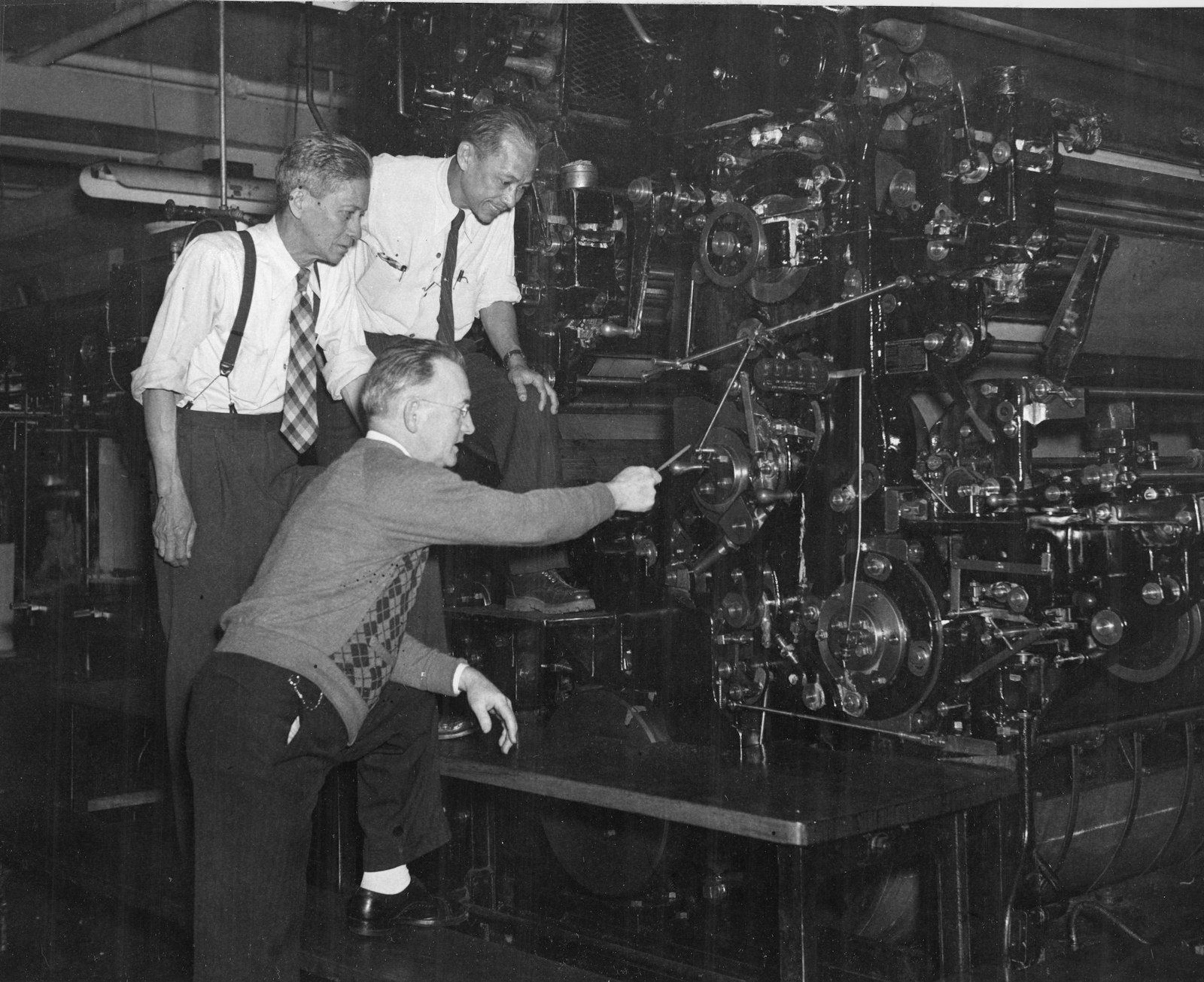 For most offices asking the question, the answer turns out to be the third option. Modern digital MFPs running with hard drive encryption at AES 256, scheduled disk wipe routines, network segmentation behind a firewall, and regular firmware patching, satisfy nearly all the security frameworks that analog was once justified by. The cost of running a digital MFP under those controls is often lower than maintaining a refurbished analog unit with end of life supply chains.
Dealers asked the analog question are usually willing to walk through this analysis if the buyer presses for it. The default proposal will be a digital unit. The justification for that default is that almost every customer who originally asked for analog ends up satisfied with a properly secured digital one. The exceptions exist but are rare enough that the dealer ecosystem has standardized around digital regardless of the question that opened the conversation.
Analog copiers stopped being manufactured because digital copiers got cheaper, faster, more capable, and required for every office workflow that involves email, network folders, or cloud storage. The machines that remain in service are running on borrowed time as toner stocks run down and qualified service technicians retire. The category is not returning.