When a refurbished photocopier saves money and when it does not
The refurbished savings pitch is real but partial. The math works for some offices and breaks down for others. Knowing which side of the line the office sits on shapes whether the savings are genuine or simply postponed cost.

The headline savings claim and what it actually covers
The standard refurbished pitch in the Spanish dealer channel reads as 40 to 50 percent savings off new chassis pricing. The figure is accurate at the moment of acquisition because the refurbished chassis costs that much less than the equivalent new unit. The figure becomes incomplete once the analysis extends across the chassis service life, because the savings at acquisition do not always translate to savings across years.
The complete savings calculation requires comparing the total cost across an equivalent service period. A new chassis at 5,500 euros with a 7-year expected service life delivers roughly 786 euros per year of capital cost. A refurbished chassis of the same model at 2,800 euros with a 4-year expected remaining service life delivers roughly 700 euros per year. The annualized cost difference shrinks from 50 percent at acquisition to 11 percent across the actual service period.
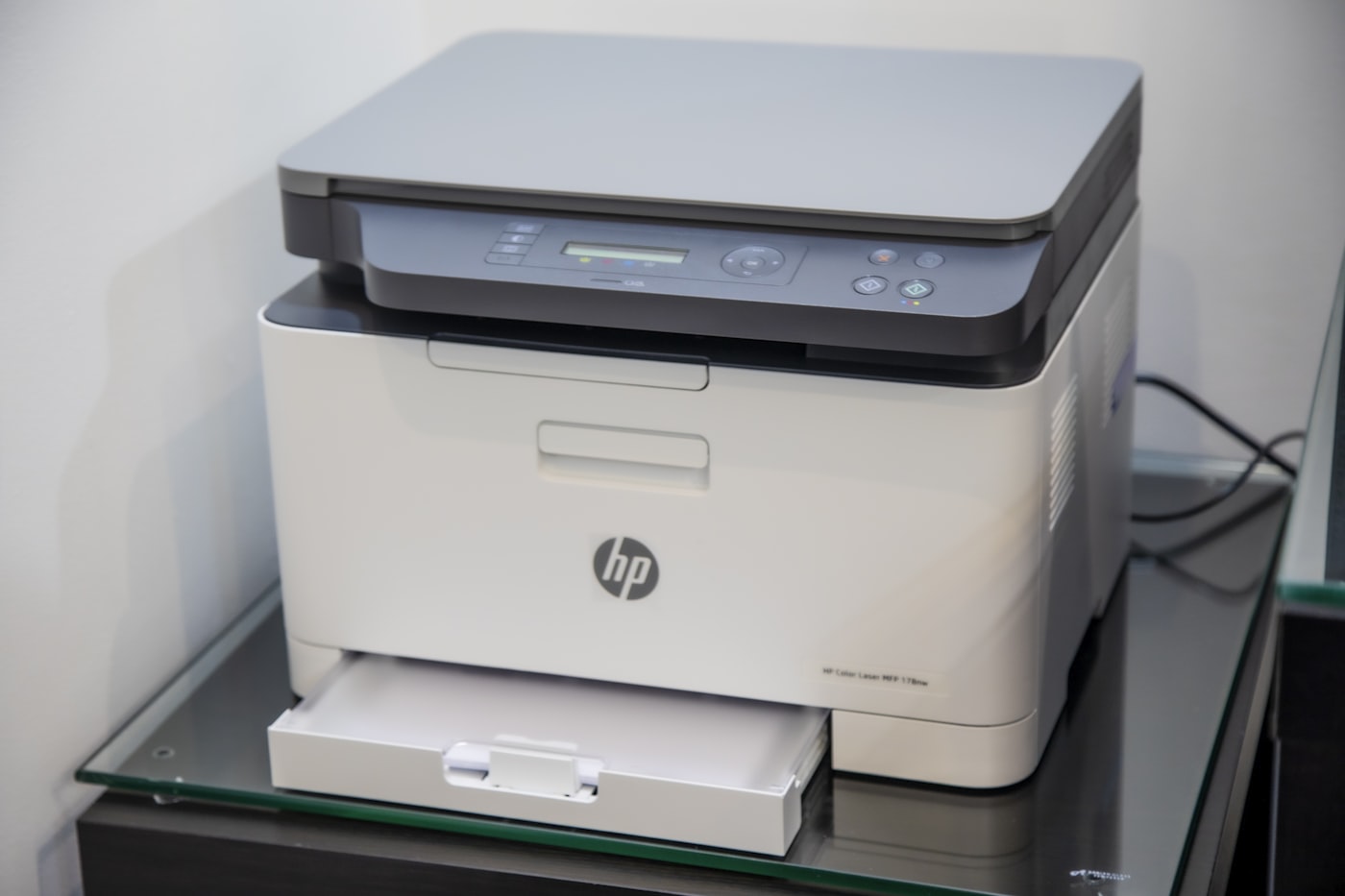

The 11 percent is still real savings, but the analysis reveals that the savings are smaller than the headline number suggests when service life enters the calculation. The genuine savings depend on the refurbishment quality, the actual remaining life the chassis delivers, and the service costs across the remaining life. Each of these factors can swing the math in either direction beyond what the headline suggests.
When the savings are real
The savings are real for offices with three specific characteristics. The first is moderate volume that does not push the chassis toward its duty cycle ceiling. A refurbished chassis with 600,000 pages on the meter has used 60 percent of a typical 1 million-page design life. An office that adds another 200,000 pages over four years stays well within the chassis remaining capacity. An office that adds 700,000 pages over the same period exceeds the design life and accelerates failure of the imaging components.
The second characteristic is acceptance of shorter equipment refresh cycles. A new chassis serves an office for 6 to 8 years before replacement becomes economically attractive. A refurbished chassis serves the same office for 3 to 5 years. Offices that refresh equipment on shorter cycles to capture technology improvements benefit from the lower acquisition cost of refurbished chassis because the shorter refresh aligns naturally with the shorter remaining life.
The third characteristic is administrative comfort with the refurbished category. Offices that have working relationships with dealers and that understand how to verify refurbishment work get more value from the category than offices new to the buying process. The verification work prevents the worst outcomes that less experienced buyers sometimes experience, and the relationship continuity provides ongoing service support that protects the savings across the chassis service life.
When the savings disappear
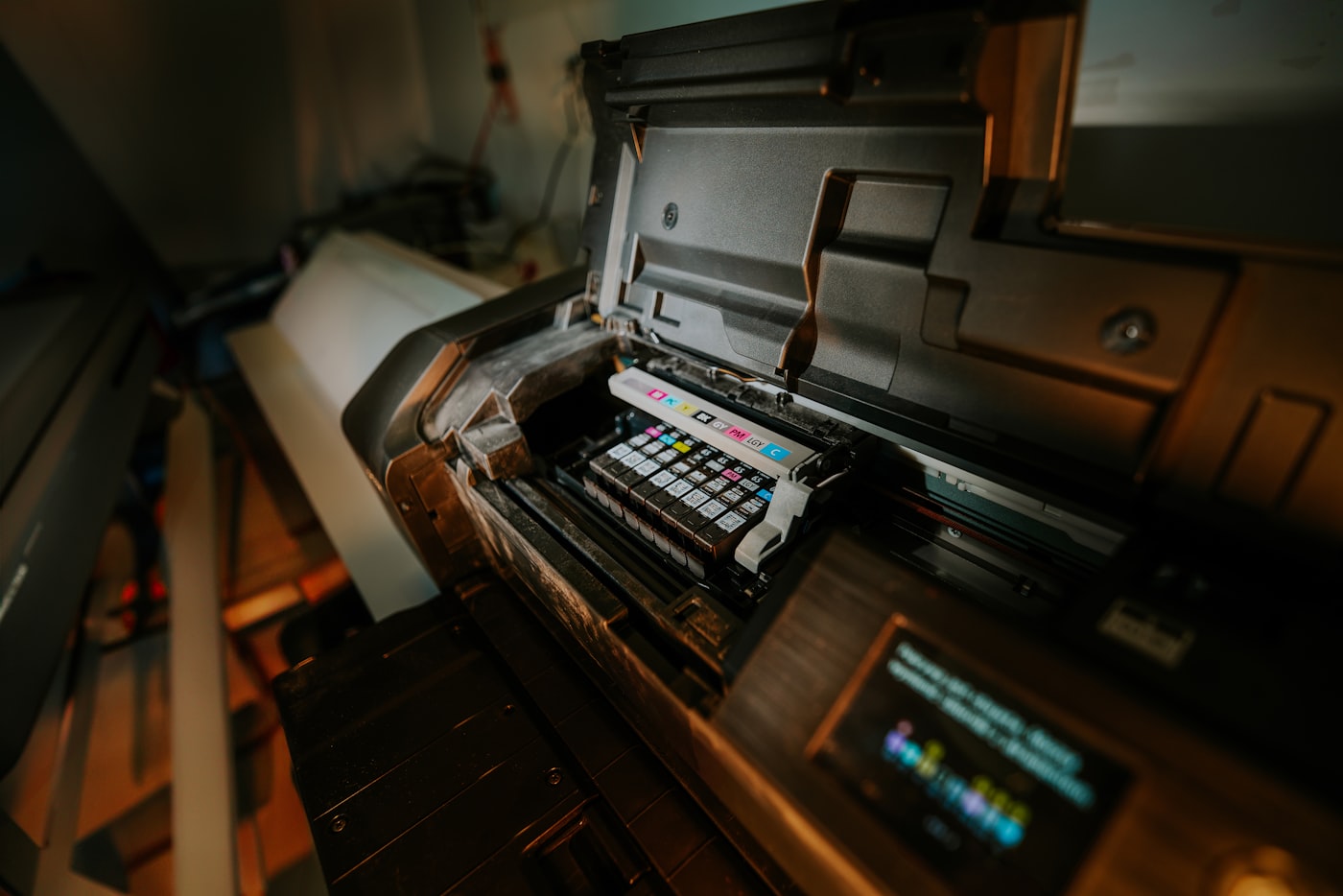
The savings disappear when the refurbished chassis fails early in its expected remaining life. A refurbishment that skipped the drum or fuser replacement may produce a chassis that fails within the first 12 months of new customer service, which converts the savings into repair cost. The repair cost on a chassis that the office has owned for less than a year typically exceeds the price difference between refurbished and new acquisition, which means the office paid less upfront and more total.
The savings also disappear when the office produces volume that exceeds the chassis remaining capacity. An office that buys a refurbished chassis with 800,000 pages on the meter and produces 30,000 pages per month reaches design life within 7 months. The chassis enters the failure-acceleration zone earlier than expected, and the cost of operating the chassis through that zone often exceeds what new acquisition would have cost across the same period.
The savings disappear in a third scenario when the chassis carries hidden damage that the refurbishment work did not address or did not detect. A chassis from a previous customer in a humid coastal environment may carry corrosion on internal contacts that the refurbishment cleaning did not fully address. A chassis from a previous customer in a dusty industrial environment may carry contamination in the imaging path that produces ongoing image quality issues. The hidden conditions emerge over time and produce repair costs that erode the acquisition savings.
The four-factor calculation
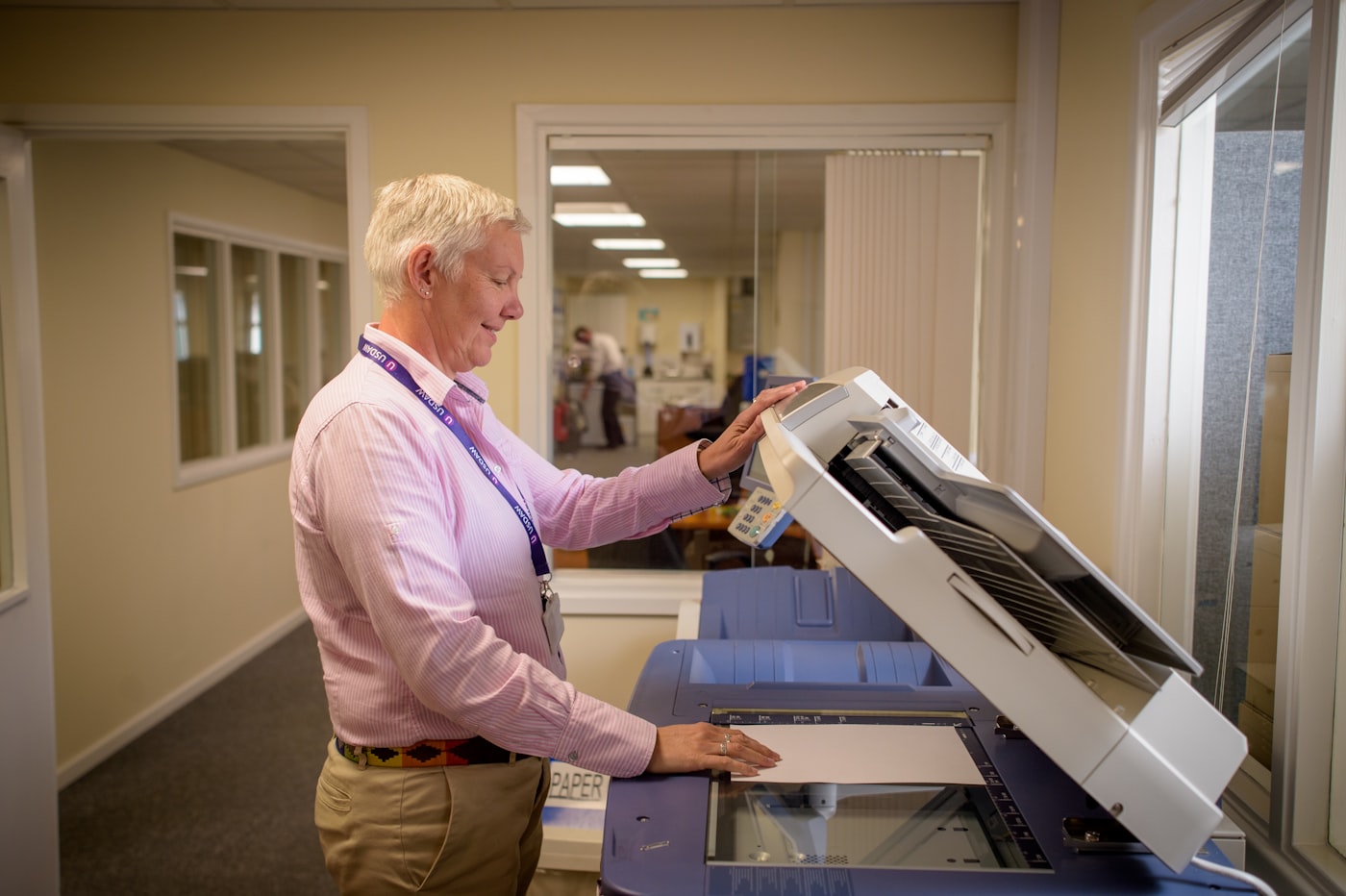


The savings calculation runs on four factors that the buyer should weigh against the headline price difference. The first is the meter reading at acquisition relative to chassis design life. A chassis with less than 40 percent of design life consumed represents real value. A chassis with more than 70 percent consumed represents marginal value because the remaining service life is short and the failure risk is elevated.
The second factor is the refurbishment scope documentation. A refurbishment with documented drum, fuser, transfer belt, and developer replacement plus inspection of rollers and sensors represents real value. A refurbishment with vague or missing documentation represents reconditioning at refurbishment pricing, which is poor value at any price point.
The third factor is the warranty terms relative to the office's risk tolerance. A 90-day warranty provides limited protection against early-life issues. A 12-month extended warranty at additional cost converts the refurbished risk profile to something closer to new chassis risk. The cost of the extended warranty against the savings at acquisition shapes whether the math still works.
The fourth factor is the chassis age relative to manufacturer parts availability. A chassis still in active production with full parts support represents lower risk on long-term service. A chassis 5 to 7 years past production discontinuation represents elevated risk on parts availability, which can shorten service life regardless of the chassis condition at acquisition.
Three scenarios where the math runs clean
The first scenario is a small consultancy with stable predictable volume of 4,000 pages per month buying a refurbished chassis with 400,000 meter reading and full refurbishment work documented. The chassis at acquisition uses 40 percent of design life, the office adds 192,000 pages across 4 years, and the chassis ends its service life at roughly 60 percent of design capacity with significant remaining headroom. The 50 percent acquisition savings translate to roughly 30 percent total savings across the service period, which is meaningful and real.
The second scenario is a backup unit purchase for an office that already operates a primary chassis. The backup chassis runs at low duty cycle of 1,000 pages per month covering primary chassis maintenance windows and overflow during peak demand. A refurbished chassis with high meter reading still serves the backup role well because the volume the chassis sees is far below its remaining capacity. The acquisition savings are real and the service life is more than adequate for the backup function.
The third scenario is a startup or early-stage office with constrained capital and uncertain volume projections. The office values lower upfront capital allocation more than longer service life because business plans may shift before the chassis reaches end of life anyway. A refurbished chassis at 50 percent of new pricing keeps capital available for other business needs, and the shorter remaining life aligns naturally with the office's own uncertainty about its growth trajectory.
Three scenarios where the math breaks
The first scenario is a high-volume legal or accounting firm producing 30,000 pages per month buying a refurbished chassis with high meter reading. The combination of high duty cycle and limited remaining capacity pushes the chassis toward early failure. The repair costs across the failure-prone zone often exceed the acquisition savings, and the chassis downtime during repairs disrupts office operations in ways that the savings do not compensate for.
The second scenario is a regulated office requiring certified security configuration that the refurbishment process did not preserve or document. The office discovers after acquisition that the chassis security stack does not match the new compliance requirements that have appeared since the chassis was originally produced. The cost of reaching certified configuration on the older chassis approaches the cost of new acquisition with current certification built in. A note on how compliance certification ages on copiers covers the specific risks.
The third scenario is an office that values predictable monthly costs over capital savings. The office prefers a 5-year lease on a new chassis at fixed monthly payments to a refurbished purchase that requires capital allocation plus uncertain service costs. The lease structure delivers cost predictability that the refurbished path does not, and the savings on the refurbished purchase do not outweigh the budget management value of the lease structure.
The decision matrix
| Scenario | Refurbished savings | Likely outcome |
|---|---|---|
| Light volume stable office | Real and significant | 30%+ total savings |
| Backup or secondary unit | Real | 40%+ total savings |
| Capital-constrained startup | Real with risk | 20-30% savings |
| Heavy volume primary unit | Likely lost to repairs | Net higher cost |
| Compliance regulated office | Lost to upgrade work | Net same cost |
| Predictable budget priority | Lost to budget volatility | Lease delivers more |
The matrix shows the clear cases on either side. The savings are real for offices with light to moderate volume, secondary or backup roles, or capital constraints aligned with shorter service horizons. The savings disappear or invert for offices with heavy volume, regulated environments, or budget predictability priorities.