What you can buy with a photocopier budget between fifteen and thirty thousand euros
The 15,000 to 30,000 euro bracket crosses into light-production capability with continuous color management, heavy-stock handling, and finishing depth that competes with small print shops.
Where light-production begins
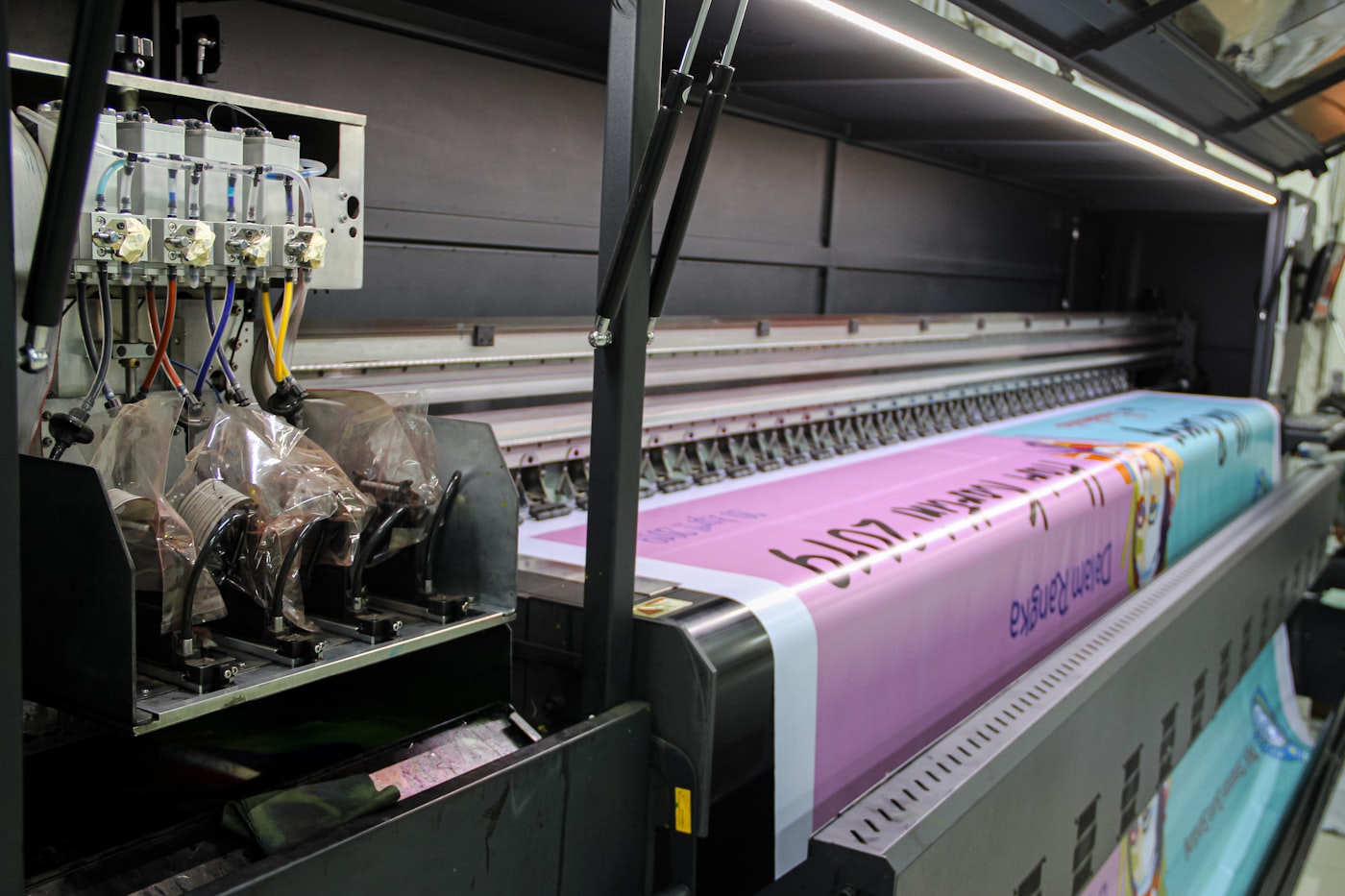
The 15,000 to 30,000 euro bracket is where the chassis crosses from department-class MFP into light-production territory. Print speed reaches 75 to 100 pages per minute in color, paper handling supports cover stocks up to 400 gsm, and inline finishing includes square-fold booklet making, advanced trimming, and perfect-bound book production. The chassis becomes a small-press substitute that handles short-run jobs that previously required a print shop.
The chassis at this bracket weigh 240 to 380 kilograms and require dedicated room space with sustained electrical capacity. Most installations include a separate breaker on a 16-amp circuit because the chassis pulls peak current during fuser warm-up that older office circuits do not handle without dimming the rest of the room. The site survey before installation confirms electrical capacity, floor loading, and ventilation clearance.
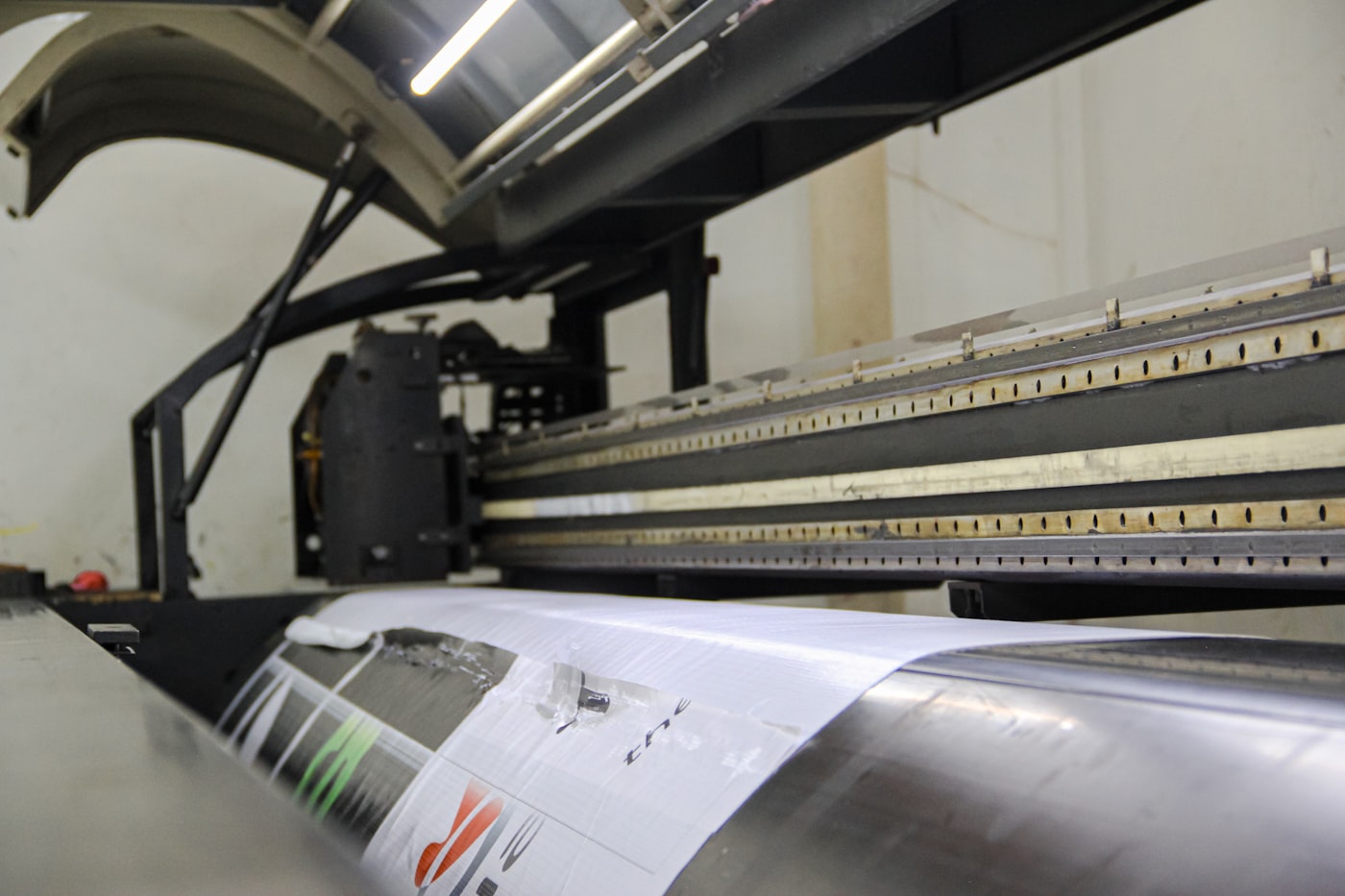
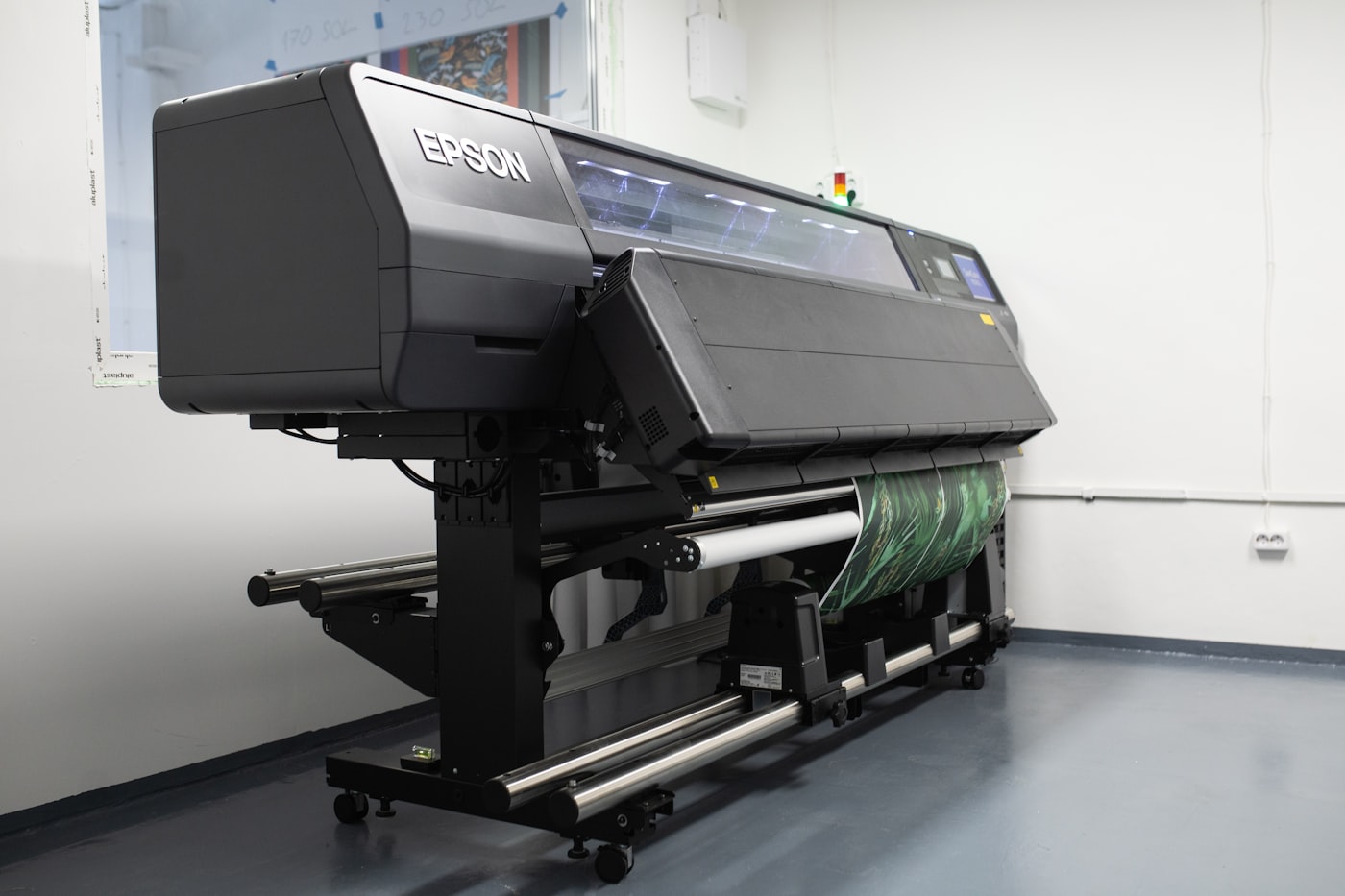
The capability depth includes inline color management with continuous spectrophotometer measurement, full finishing options including booklet making with square-fold, perfect binding for book production, advanced trimming for clean edges, and high-capacity stacking with 4,000-sheet output bins. The chassis carries the same control logic as production-class siblings, which keeps fleet-wide consistency for organizations that operate multiple chassis.
What an office gets at this price
The capability set covers light-production workflow with depth across the production spectrum. Standard features include 75 to 100 pages per minute in color, inline spectrophotometer color verification on every sheet, 6,650-sheet base paper capacity expandable to 9,000 sheets across multi-deck feeders, full enterprise security stack with Common Criteria certification, and the manufacturer's complete production color management suite.
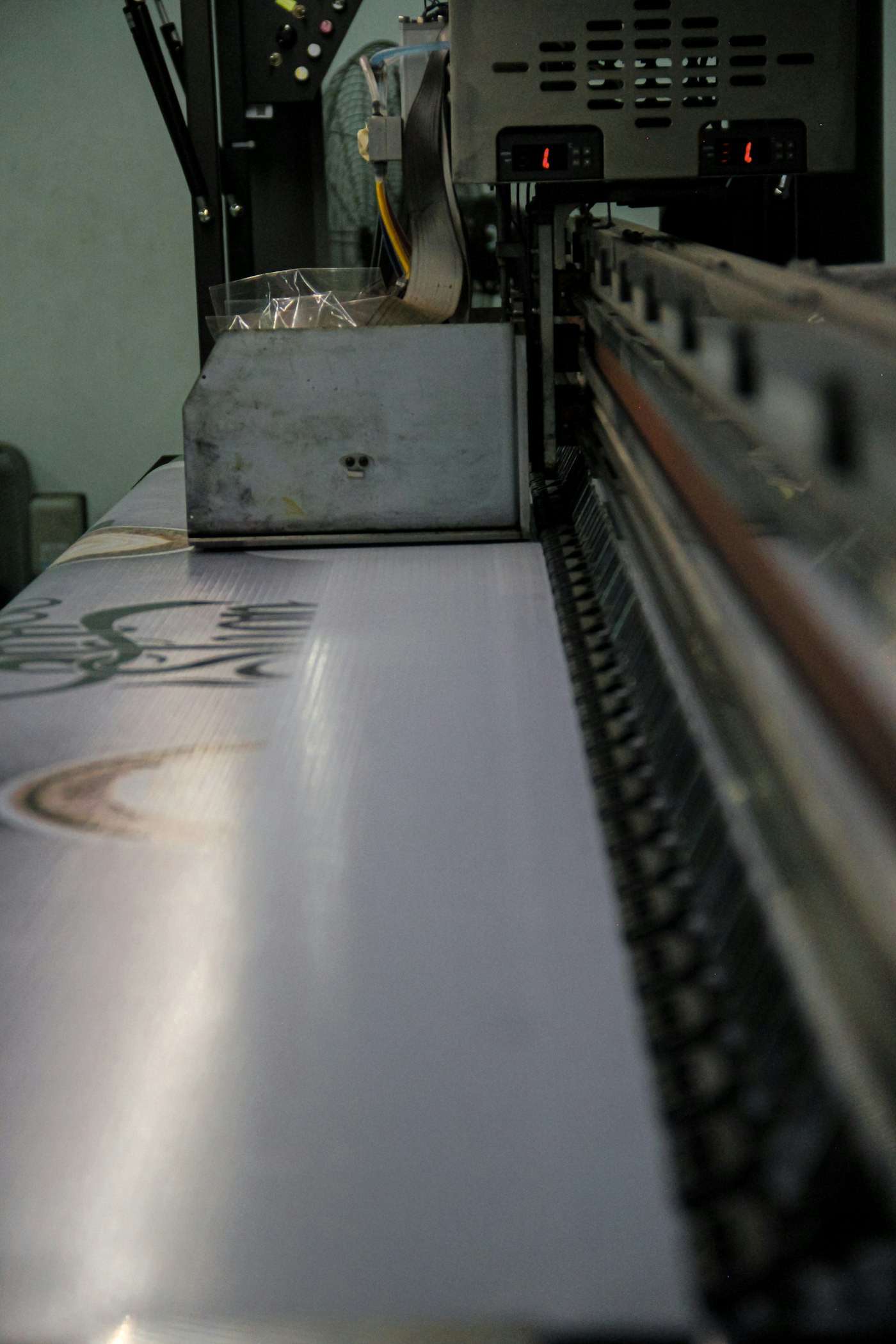
The chassis at this band include native heavy-stock handling up to 400 gsm cover stock through every paper path, banner-mode printing for sheets up to 1,300 millimeters in length, and cleat-edge fed paper for board stocks above standard cover weights. The expanded paper handling opens up packaging mockups, premium folder production, and fold-out brochures that exceed standard sheet limits.
Color quality at this bracket reaches Delta E 1.0 to 1.2 across long runs through continuous spectrophotometer monitoring. The chassis recalibrate automatically when drift is detected without operator intervention, and the calibration cycle runs in the paper path during normal operation rather than as a separate calibration job. The continuous color management is the meaningful capability difference between this bracket and the lower brackets.
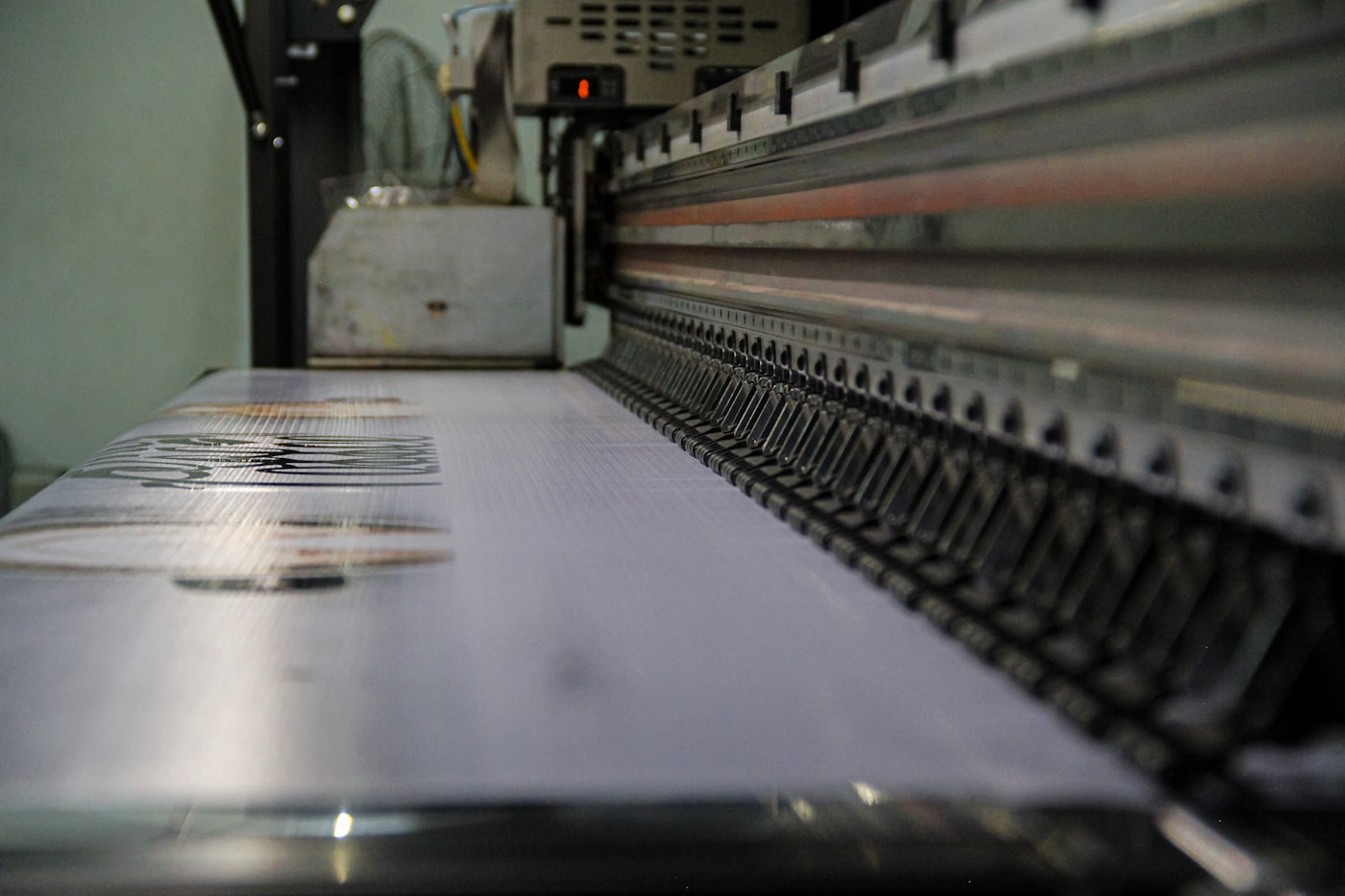
Representative chassis in this bracket
Konica Minolta AccurioPress C4080 lands at roughly 21,000 euros in the Spanish dealer channel and runs at 81 pages per minute in color. The chassis includes the IQ-501 Intelligent Quality Optimizer that monitors color and registration on every sheet through an inline spectrophotometer. Heavy-stock support reaches 400 gsm through every paper path, which qualifies the unit for premium client deliverable production.
Ricoh Pro C5310s lands at 24,500 euros and runs at 65 pages per minute in color with the EFI Fiery FS500 Pro server for production color management. The chassis pairs with the SR5110 finisher that produces 30-sheet saddle-stitched booklets reaching 120-page A4 booklets folded to A5. The combination of color management and finishing depth makes this chassis a strong fit for marketing departments producing premium internal print.
Xerox PrimeLink C9070 lands at 27,800 euros and runs at 70 pages per minute in color with the EFI Fiery EX-C server family. The chassis carries Xerox's signed firmware, McAfee runtime whitelisting, and Common Criteria certification at EAL3+. The PrimeLink class is the closest the office segment comes to a press-quality chassis with office-style operation. A piece on when light-production capability pays back covers the math that makes this bracket attractive.
Who actually fits this bracket

The fit profile narrows significantly compared to the lower brackets. Marketing departments within larger enterprises fit when they produce client-facing collateral internally and bill the production back to project budgets. In-house print operations within multi-site organizations fit when consolidated print volume justifies the capital investment over outsourcing. Design studios with internal print revenue lines fit when print becomes a billable deliverable rather than overhead.
The bracket fits universities and large educational institutions running centralized print services for multiple departments. Government agencies handling document production at scale fit when the security stack and audit logging meet public sector compliance requirements. Healthcare networks operating regional print centers fit because the capacity supports cross-facility print volume on shared infrastructure.
The bracket does not fit standard office operations regardless of size because the capability sits above what office workflow requires. The bracket does not fit dedicated production print shops because chassis at this band lack some specialized features that production presses include. The fit depends on whether the organization treats print as a primary revenue or service function rather than as office overhead.
The cost recovery math at this bracket
The math at this bracket centers on the production volume that justifies the capital investment. The chassis acquisition cost requires 50,000 to 80,000 color pages per month of internally produced billable output to pay back versus outsourcing the work to print shops. Below that volume threshold the chassis runs at fraction of capacity and the cost advantage versus outsourcing disappears under the consumable economics.
Lease structures at this bracket land at 580 to 980 euros per month for the chassis alone before consumables and service. Adding consumables and service through a managed contract reaches 1,400 to 2,400 euros per month for typical light-production volumes between 30,000 and 60,000 pages. The total monthly cost compares favorably against print-shop outsourcing for organizations that consistently produce above the volume threshold.
Consumable costs at this bracket land at 0.30 to 0.45 cents in monochrome and 2.5 to 3.5 cents in color under managed contracts. The lower per-page cost compared to lower brackets reflects production-class consumable formats and the dealer's volume pricing on chassis at this scale. An organization producing 50,000 color pages per month sees consumable costs around 1,500 euros per month under the managed structure.
The capabilities this bracket still cannot deliver
The 15,000 to 30,000 euro bracket does not include full production-press capability. Roll-fed paper handling for continuous web printing is not available at this band. Inline coating for finished sheets is not available. The highest-end finishing options including hardcover book binding and complex die-cutting are not available. Print speeds above 100 pages per minute in color require chassis from the next bracket up.
The bracket also does not include the highest-volume monochrome chassis where duty cycles exceed 700,000 pages per month. An organization producing more than 100,000 monochrome pages per month should consider stepping to dedicated production-class monochrome chassis like the Xerox PrimeLink B9100 in the next bracket. The volume threshold marks the boundary between light-production and production-class capability.
Specialty media handling including transfer paper, magnetic stock, and label substrates is limited at this bracket. The chassis handle most office and light-production substrates well but require careful selection for specialty applications. An organization with consistent specialty media needs should budget for chassis with documented compatibility for those substrates rather than testing fit after acquisition.
How to make this bracket work well
The bracket works well when the buying decision attends to three factors. The first is the volume justification. The chassis pays back through internally produced billable output, and the math requires consistent production above the 50,000-page-per-month threshold. An organization should validate the actual production demand against historical print invoicing before committing to the capital investment, because chassis at this bracket that run below capacity carry the cost without delivering the savings.
The second factor is the operator skill investment. Light-production chassis require an operator who understands color management, paper handling for variable stocks, and the workflow setup in the production color server. Most dealers include operator training as part of installation, and the training adds two to four working days of staff time. Organizations that skip the training run the chassis at office-class capability rather than production-class because operators do not access the production features.
The third factor is the ongoing color management maintenance. The chassis recalibrate automatically, but the color profiles for different paper stocks require periodic manual updates as paper batches change. An organization should plan for monthly color profile maintenance work, typically two to four hours of operator time, that keeps the chassis at its certified color quality. Skipping this maintenance produces drift that defeats the chassis quality advantage. A note on how color profile maintenance works covers the routine.
The decision framework
| Office profile | Monthly volume | Bracket fit | Reason |
|---|---|---|---|
| Marketing dept with internal print | 40,000-70,000 pages | Strong | Volume meets threshold |
| In-house print at multi-site org | 50,000-100,000 pages | Strong | Centralized service load |
| Design studio with print revenue | 30,000-60,000 pages | Strong | Print billable to clients |
| University central print service | 50,000-100,000 pages | Strong | Multi-department demand |
| Standard office | Variable | Poor | Capability above need |
| Production print shop | 100,000+ pages | Mixed | Lacks press features |
The framework points to the bracket's strength zone in organizations that produce billable or service-level print at scale. The capability depth justifies the price for organizations that operate print as a function rather than as overhead. Standard offices and dedicated print shops are on either side of the bracket's natural fit.