Thermal Shock Test Chamber Requirements Per MIL-STD-810H Method 503
MIL-STD-810H Method 503 · What The Standard Demands Of A Chamber That Slams Materiel Between Hot And Cold
MIL-STD-810H gathers the environmental tests a piece of military equipment must survive, and Method 503 is the one for temperature shock: the sudden slam from a hot extreme to a cold one, or the reverse, that warps a seal, splits a casting, or jams a mechanism in ways a slow march of temperature never would. The method does not test how a thing lives in heat or cold; it tests how it takes the jump between them. A chamber built to run it has to carry the test item from one extreme to the other faster than the item can follow, hold each end until the item gives in, and repeat the change for the cycles the standard calls for.
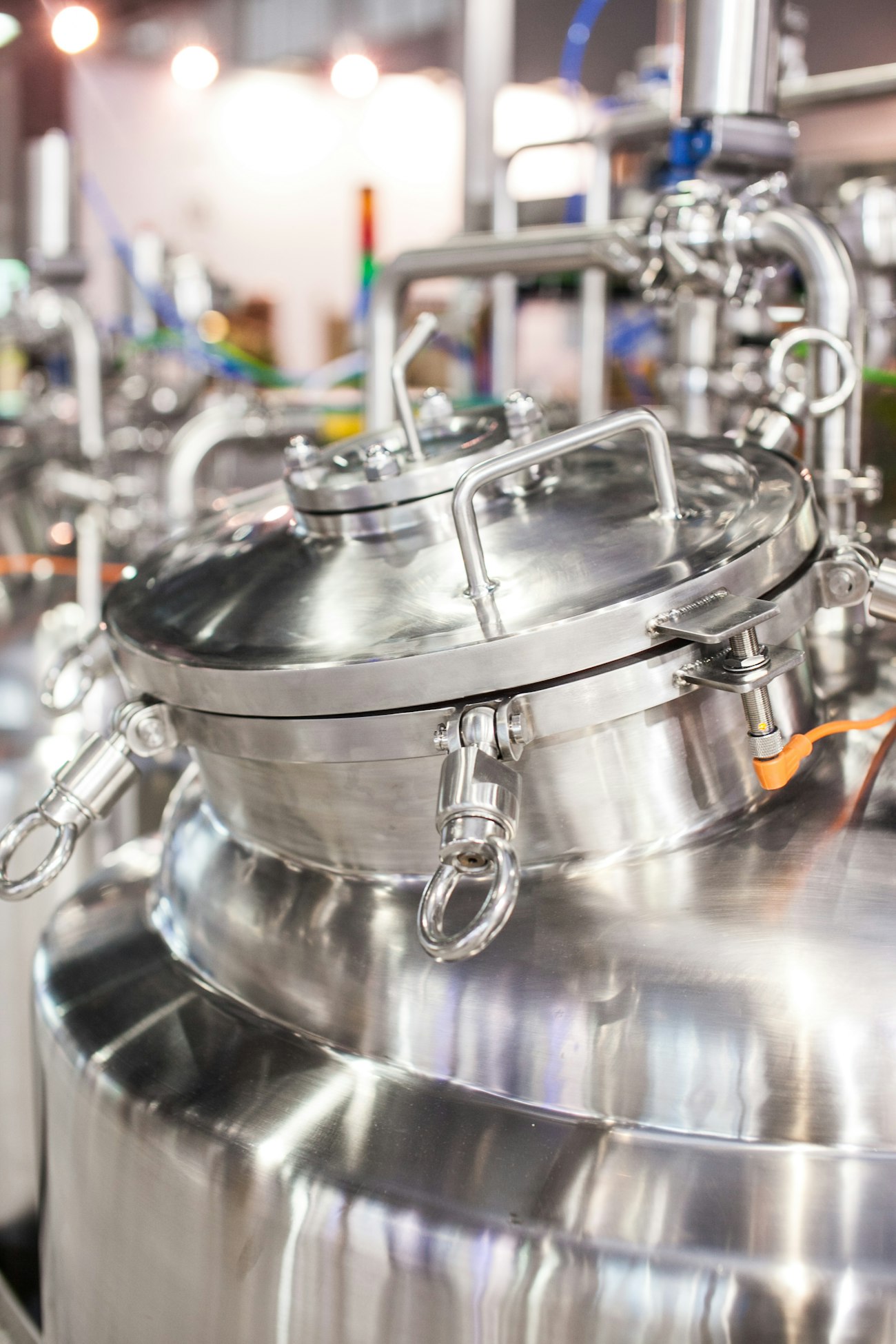
A two-zone thermal shock chamber moving an item between extremes
Shock is the jump
Shock is the jump, not the heat.
What Method 503 tests
Method 503 sits among the temperature methods of MIL-STD-810, and it owns a narrow question the others do not ask. Where the high-temperature and low-temperature methods study how an item lives soaked in heat or cold, and a cycling test studies the slow daily breathing of temperature, the shock method studies the jump, the harm done by a change too fast to follow.
The damage it looks for is the damage of mismatch: when one part of an item changes temperature faster than the part bonded to it, the two pull against each other, and a seal, a joint, or a casting that tolerates either extreme on its own can fail at the moment of the change. The longer two materials are joined and the more their expansions differ, the harder that moment pulls on what holds them together.
What the standard demands of the chamber
What Method 503 asks of a chamber follows from what shock truly is, a change of temperature too fast for the thing inside to keep up with. The first demand is on the transfer: the test item has to pass from a hot environment to a cold one, or back, as quickly as the machine can move it, fast enough that the air around it changes before the item itself can. The standard keeps that transfer short, allowing only a few minutes for it at the outside and expecting far less, because a transfer that drags lets the item ease across and softens the shock into the gentle change it was meant to be harsher than. A single chamber that ramps its own air up and down cannot meet that, because no refrigeration can swing a room from plus eighty-five to minus forty fast enough; the standard’s spirit is met instead by two environments held at the two extremes all the time, with the item carried between them, so the air it sees flips in seconds while the conditioned zones never have to move. The second demand is on the dwell, and here the standard is firm that what matters is the item, not the air: the part has to be held at each extreme long enough to stabilize, until its own mass and its innermost components reach the temperature, not merely until the surrounding air does, because a heavy item shuttled away while its core is still warm has been given a gentler test than the standard intends. Stabilization, then, is judged at the item, and a minimum dwell is held after it is reached. The third demand is on the count: the method’s guidance is three shock cycles when nothing else is specified, a hot-to-cold-to-hot passage repeated, with more added when the item’s life or a program’s risk calls for them. And the fourth is on the extremes themselves, which are not picked for drama but drawn from the constant hot and cold the item will truly meet in storage and transit, the same extremes the steady-temperature methods use, so the shock spans the real edges of the item’s world rather than arbitrary numbers. A chamber that satisfies all four, a rapid transfer, a dwell judged at the item, the cycles the standard sets, and tailored extremes, is running Method 503; one that misses any of them is running something easier and calling it by the wrong name.
Not the same as 501, 502, or cycling
It is easy to lump the temperature methods together, and the standard is careful to keep them apart. Method 501 holds an item hot and 502 holds it cold, each asking whether it works and survives at a steady extreme.
A cycling test, by contrast, walks the temperature up and down at a measured pace, mimicking the diurnal swing of a desert or the climb and descent of a flight, and its stress builds over many gentle laps.
Method 503 is none of these. Its whole point is the speed of the change, the slam rather than the soak or the stroll, and an item can pass all the steady and cyclic methods and still fail the moment it is thrown from one extreme to the other.
Survive both, break at the leap
A part can survive each extreme on its own and still break at the sudden leap between the two.
Transfer time: the slam
The transfer is the defining act of a shock test. The item has to leave one extreme and arrive at the other in seconds, fast enough that the surrounding air all but flips around it, and that demand is what rules out any machine that has to ramp its own air to get there.
The answer is to keep both extremes waiting and move the item, not the temperature, by a basket that lifts it from a cold well into a hot one, a carriage that slides it across, or a door that swaps which zone it sits in, so the change it feels is over before its mass can react.
Dwell to stabilization
The dwell is where a shock test is quietly won or lost, because the standard cares about the item’s temperature, not the chamber’s. The air at each extreme reaches its setpoint in moments, but the part sitting in it does not.
A dense or massive item lags the air badly. Its surface chills or warms at once while its core trails behind, and the stress the test is after, the strain between a cold skin and a warm centre, is only fully present once the whole item has moved.
The standard answers that by holding the item at each extreme until it stabilizes, until its core sits within a degree or two of the chamber air, and then keeping it there for a minimum dwell beyond. A test that pulls the item the moment the air is right has shocked the surface and spared the core.
The heavier the item, the longer the dwell, and a chamber built for shock has to hold each extreme steady through that wait without drifting, since the dwell is only as good as the temperature it holds the item at.
The item, not the air
The air reaches its setpoint long before the heavy part ever does.
Two zones, three zones, or a basket
The hardware that delivers a shock comes in a handful of shapes, and the shape a lab chooses sets both how fast the transition can be and how severe a stress it lands on the item inside.
The simplest true shock chamber holds two zones, one always hot and one always cold, and moves the item between them, by a lifting basket, a sliding carriage, or a swinging inner door, so the part leaves one extreme and meets the other in seconds.
A three-zone machine adds an ambient or holding zone between the two, letting a profile pause the item at room temperature, or stage it, between the hot and the cold rather than driving straight across.
The transfer itself is the heart of the machine, a mechanism that has to move the item, and only the item, between sealed zones quickly and reliably thousands of times, without dragging so much hot or cold air along that it spoils the destination.
A single-zone chamber that merely ramps its own air is not, strictly, a shock chamber at all, since it cannot change the air faster than its refrigeration allows and the standard’s rapid transfer is beyond it, and true shock testing lives in the two- and three-zone machines instead.
Where the extremes come from
The hot and the cold a shock test uses are not round numbers chosen for severity; they are the real edges of the item’s life. The standard draws them from the constant high and low temperatures the item will meet in storage, in transit, and in the open, the same extremes its steady-temperature testing uses, so the shock spans the true gap the item must endure rather than a punishing pair picked to impress. Choosing them is itself an act of tailoring, since a span set too narrow proves little and one set too wide condemns parts the field would never have broken. An item bound for a temperate warehouse and one bound for a desert airfield face different gaps, and Method 503 tailors the extremes to each.
What shock breaks
The failures a shock finds are the failures of things joined together. A seal bonded to a housing, a chip soldered to a board, a lens cemented in a barrel, a coating on a metal skin: each pairs materials that expand by different amounts, and the fast change loads that bond before either material has settled.
What the test surfaces, then, is cracks, delamination, leaks, and bindings, the casting that splits, the gasket that pulls free, the moving part that seizes when its clearances close, faults a slow change would let the materials relieve but a sudden one forces into the open. The faster the change and the wider the gap it spans, the more of these a test will draw out.
Air-to-air, the usual 503
Method 503 is generally an air-to-air test, the item shuttled between a hot air zone and a cold air one, which is severe enough for the bulk of materiel and far simpler to run than the alternative. The harsher cousin, dunking the item between hot and cold liquids, moves heat far faster and is reserved for the small, rugged parts that need it, the microelectronics whose own standards call for a liquid shock; for the gear 810 is written around, moving air is the shock that fits.
Tailoring beats the default
MIL-STD-810 is not a recipe to follow blind; it is a framework to tailor. Its guidance figure of three cycles and its stabilization rule are starting points, and the standard expects an engineer to shape the test to the item’s real life, more cycles for a long service, wider extremes for a harsher theatre, a dwell sized to the item’s mass.
A test run on the defaults alone can be too soft for a part that will see a thousand shocks in service or too harsh for one that will see a handful, so the tailoring, grounded in how the item will be used in service, is where the method earns its keep.
Pass means survived and still works
Surviving a shock test is two things, not one. The item has to come through without physical damage, no crack, no leak, no part shaken loose, and it has to still do its job, meeting its performance spec after the cycling as it did before.
The test ends, then, in a look and a check: an inspection for the damage a shock leaves and a functional run for the harm that does not show, since an item that looks perfect can still have lost a marginal connection in the change, and one that works can still carry a crack that will open later.
The jump, proven
Method 503 turns a plain idea, that fast change breaks what slow change spares, into a disciplined test, and a chamber built for it is built around the transfer: two extremes always waiting, an item carried between them in seconds, a dwell judged at the item until its core gives in, and the cycles the standard sets. Everything about the machine serves that transfer.
An item that takes the jump, again and again, and still works has earned a line in the report that the soak and the slow cycle could never grant it.