Rapid Temperature Change Chamber For AI Server Burn-In
Burn-In Of Accelerator Servers · Why The Machine Under Test Is A Furnace Of Its Own, And How A Chamber Sinks Its Heat While Swinging The Temperature Around It
Burning in an AI server is unlike burning in any quiet part, because the thing under test is a furnace. An accelerator server pours out kilowatts of heat the instant it runs, so a chamber built to warm a part is turned on its head: it must sink the server’s own heat away just to hold a steady temperature, and only then swing the air rapidly to work the machine. The server is run powered and loaded while the swing happens, its chips heating from within as the chamber changes the air without, and the weak unit that would fail early in a data-center cluster is caught here instead.
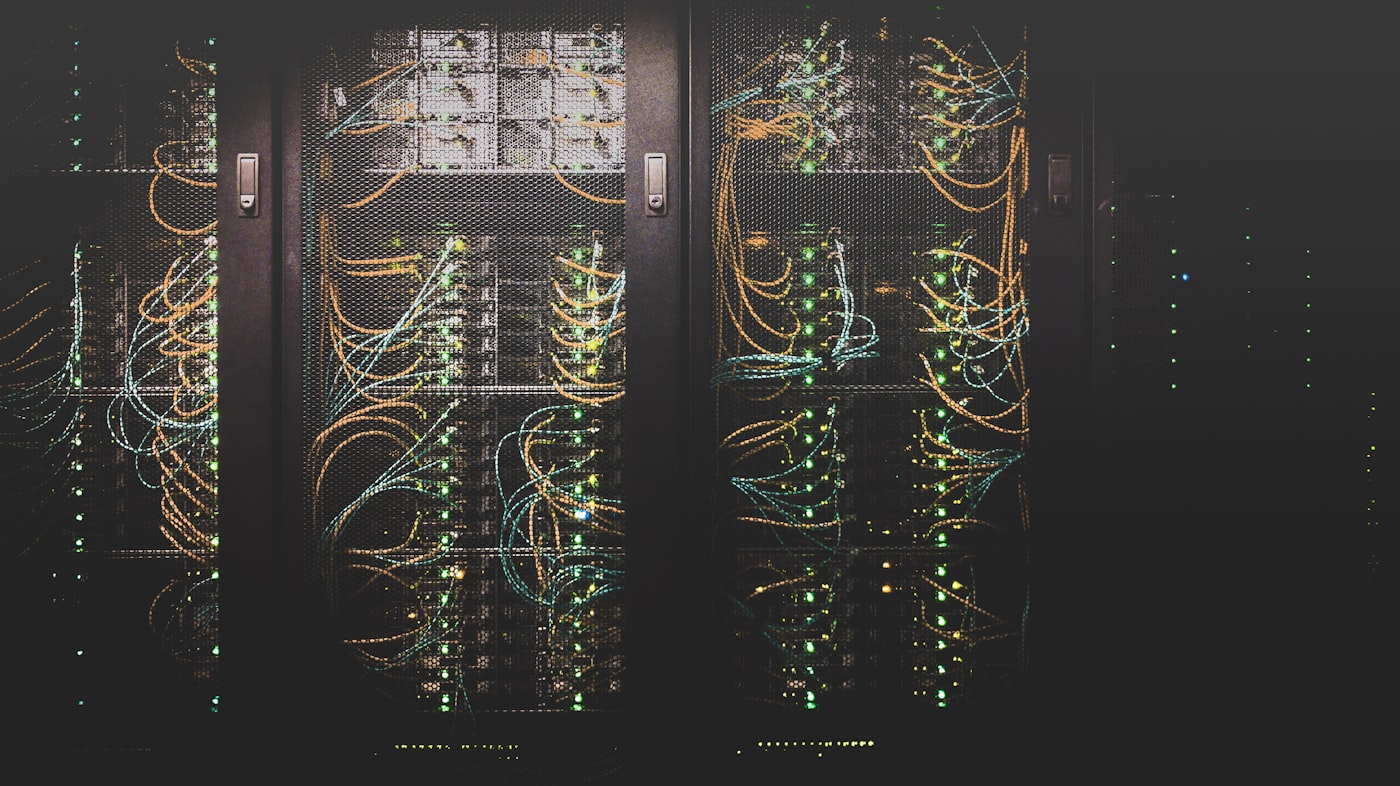
An accelerator server, a kilowatt furnace under test
A server that fights the oven
An AI server fights the chamber’s heat.
What AI server burn-in is
Burn-in is the practice of running a new product hard for a spell before it ships, to drive out the units that would fail early; what that screen is and why it works is a story told elsewhere. For an AI server the screen takes a particular shape: the machine is powered up, set to work, and cycled through a rapid change of temperature in a chamber built to take its heat.
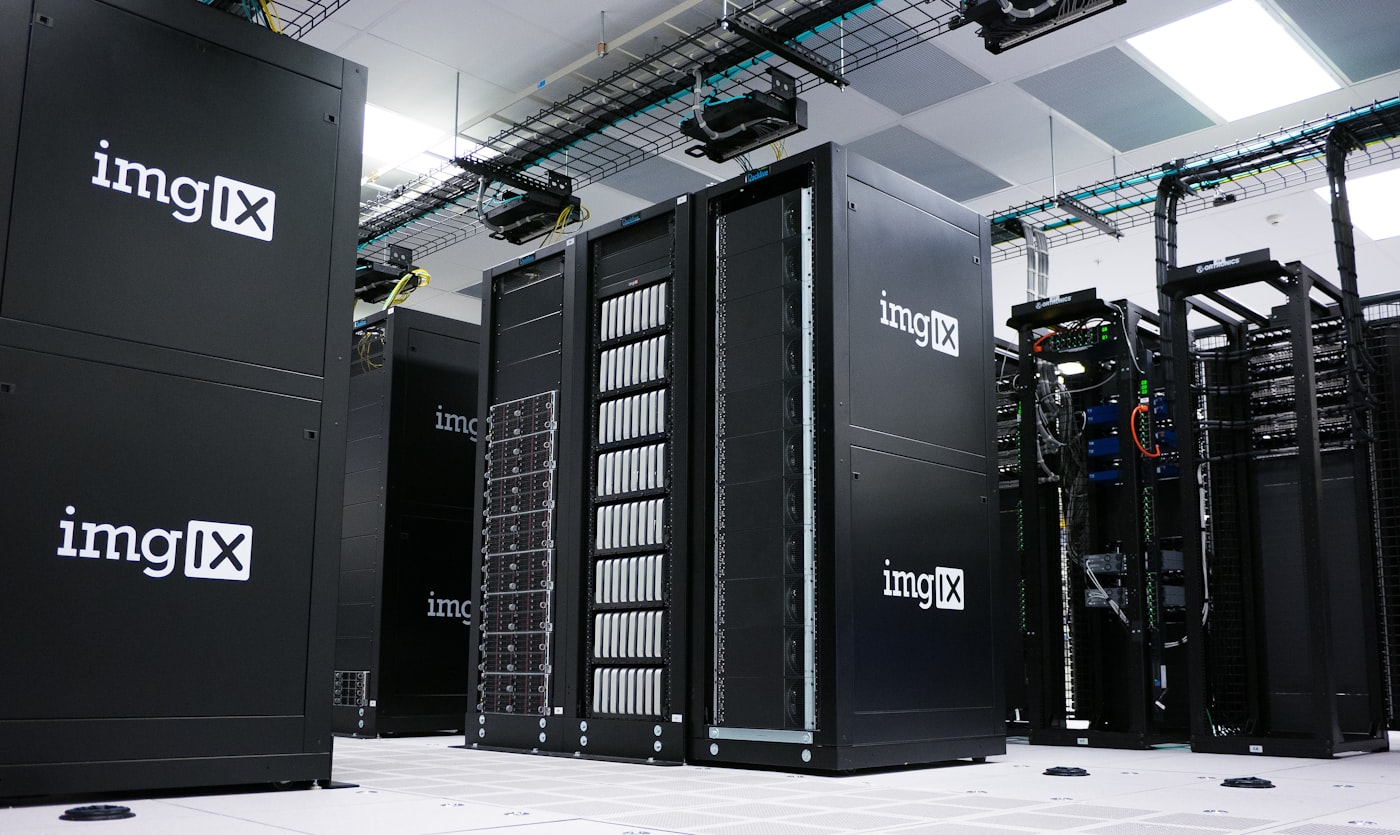
The product is an accelerator server, a dense box of high-power chips bound for a data center, and the burn-in asks whether it will run without an early fault once it joins a cluster where its falling over would be costly. A machine that clears the bench is one the cluster can take on trust.
The load that heats itself
What makes the burn-in of an AI server its own problem is that the thing under test is not a passive part to be warmed but a furnace in its own right. An accelerator server is built around chips that draw and shed power on a scale ordinary electronics never approach, hundreds of watts in a single device and kilowatts across a loaded machine, all of it turning to heat the instant the server runs. In a plain burn-in the chamber’s job is to add heat, to hold a part above its normal temperature so its weak units fail early; with an AI server the part adds the heat, and adds so much of it that it can overwhelm a chamber built to warm rather than to cool. So the chamber’s role turns over. Far from heating the load, it must become a heat sink large enough to carry the server’s own continuous output away, pulling kilowatts out of the box just to hold a steady temperature, before it has imposed any stress of its own. And the burn-in does want a stress of its own: a rapid swing of the surrounding temperature, layered on top of the server’s self-heating, to work the joints and connectors harder than steady heat alone would. That asks the plant to do two demanding things at once, to sink a large steady load and to move the ambient fast, neither of which a modest oven can manage. So the machine is sized around the heat the load makes rather than the air it holds, the opposite of the bargain a warming oven strikes, and the air is driven hard enough that the swing reaches the boards through the gale of the server’s own fans. A chamber for AI burn-in is best understood not as an oven with a part inside but as a machine wrapped around a smaller machine that fights it, built to absorb a live furnace’s heat and still swing the temperature around it on command.
Powered, not passive
The server is powered and working hard while the temperature swings around it.
Burn-in that runs the workload
An AI server is not baked idle. It is powered and set to a stress workload that loads its accelerators the way real work would, so the chips heat themselves from within while the chamber swings the air without.
That doubles the stress. The server’s own rise and fall as the workload loads and lets up is one swing, the chamber’s ambient change is another, and the two together work the machine harder than either alone, surfacing a weak joint faster than a quiet bake could.
It also tests the server as a system, not a sample. A running machine exercises its power delivery, its memory, its interconnects, and its cooling all at once, so a fault anywhere in the live box has a chance to show before it ships.
Watching the machine run
A server under burn-in is not merely watched for whether it dies; it is read while it lives. A modern machine reports a great deal about itself, its temperatures, its fan speeds, the errors its memory corrected, the links that had to retry, and a burn-in gathers that stream as closely as it watches for a crash.
Those numbers are the finer verdict. A server that ran to the end but logged corrected memory errors, or throttled itself to stay cool, or saw a link stumble, is a server with a flaw the swing began to show, and a careful burn-in marks it suspect even though it never fell over.
So the chamber serves a machine that talks. Its run is judged not by survival alone but by a clean log across the whole stress, which is why an AI burn-in is as much a reading of telemetry as a trial of hardware.
Heat out, not in
Here the chamber pulls heat out as much as in.
Air-cooled or liquid-cooled
How the server sheds its heat shapes the whole setup. An air-cooled machine throws its heat into the air around it, so the chamber’s own air must carry that load away while it swings, and the two air streams, the server’s and the chamber’s, have to work together rather than fight.
More and more, the dense machines are liquid-cooled, their hottest chips capped by cold plates fed from a coolant loop. A burn-in of such a server must feed and carry that loop, taking the heat the liquid removes and giving the chamber the steady sink the cold plates expect.
Either way the cooling is part of the test rig, not an afterthought. A burn-in that did not carry the server’s heat properly would let the machine cook itself rather than be cooked to plan, and the stress would no longer be the one the screen intended.
The swing finds the weak joint
A swing under power opens the marginal joint that a quiet bake alone would never find.
Where an AI server fails young
The joints under the big chips are a first suspect. A heavy accelerator package sits on a board over many solder balls, and the gradient between a kilowatt die and the cooler board around it strains those joints, so a marginal one opens under the swing while the server runs.
Sockets and connectors are another. An accelerator in a socket, a memory module in its slot, a power connector carrying heavy current, each is a contact that heat and movement can loosen, and a burn-in under power is where a poor seating shows.
Some faults are in the parts themselves. A memory device or a chip born marginal may pass a quick check cold yet stumble when run hot under load, and the powered swing is the condition that draws such weakness out.
And the board ties it together. A dense server board carries power and signal through many layers, and the heat of a live load with a swinging ambient stresses the vias and traces that join them, so a weak interconnect can fail where eye and meter would not have looked.
Found early, not in the cluster
Better to find the weak node here than out in the cluster.
Why catch it here
An AI server rarely works alone. It joins a cluster of many, sharing a training or inference job, and a single node that falls over can stall the whole run or force a costly swap in a room where every hour counts.
So the burn-in earns its cost. A weak machine found on the bench is a cheap fix; the same machine failing in a live cluster is an expensive one, and the screen exists to move that failure from the field, where it is dear, to the floor, where it is cheap and caught before the machine has ever earned a place in a working cluster.
How long the burn runs
How long to burn is its own question. The faults of a machine’s first life show soonest, so a stress of hours to a day or more catches the bulk of them, and the run is set long enough to clear that steep early stretch without spending the machine in the doing.
Length trades against throughput. Every hour a server sits under stress is an hour it is not shipping, so a burn-in is tuned to run just long enough to earn its confidence, the powered swing packing more failures into less time than a quiet soak ever would.
What the chamber must do
For the chamber, the first task is to bring the server to life inside it. Heavy power and the network must pass through its wall on sealed feedthroughs, so the machine runs loaded and at full draught within the cold and heat, doing real work rather than sitting dark.
It must make room for the way the server sheds heat. For an air-cooled machine that means letting the server’s own fans breathe while the chamber’s air swings around them; for a liquid-cooled one it means feeding the coolant loop through the wall and carrying off what the cold plates remove.
It must let the machine be heard. The server’s stream of temperatures, errors, and link health has to reach the bench outside through a management link the chamber passes, so the run can be read as it happens rather than only judged at the end.
It must hold its set temperature against a load that fights it and swing the ambient on command, the heat-sink role behind this kind of chamber answering for both at once.
And it must do this the same for every server it holds, so a machine judged here met the one stress the screen intended and not a softer one for sitting in a kinder corner.
Capacity to carry a furnace
The chamber needs the capacity to carry a furnace, not merely to make one.
A different kind of burn-in
This is why an AI burn-in chamber is not the oven the name suggests. An oven adds heat to a quiet part; this machine carries heat away from a roaring one and swings the temperature besides, a heat-handler more than a heater.
The inversion is the whole character of it. The load is the strongest source of heat in the room, and the chamber is built around that fact, to master a furnace rather than to be one.
Proven before the rack
A server that comes through such a burn-in has run hot and hard and swung in temperature while doing it, and shown no early fault under the worst the bench can ask. It has earned its place in a rack.
That is the promise the screen makes to the data center: that the machine joining the cluster has already met a stress fiercer than the work ahead, and will not be the node that falls in the first hard week.