How to plan the office space before a photocopier delivery
The chassis arrives in two to four weeks after contract signing. The space planning work that should happen during that window prevents installation day from becoming a reshuffle of the office layout.

Why space planning matters before installation day
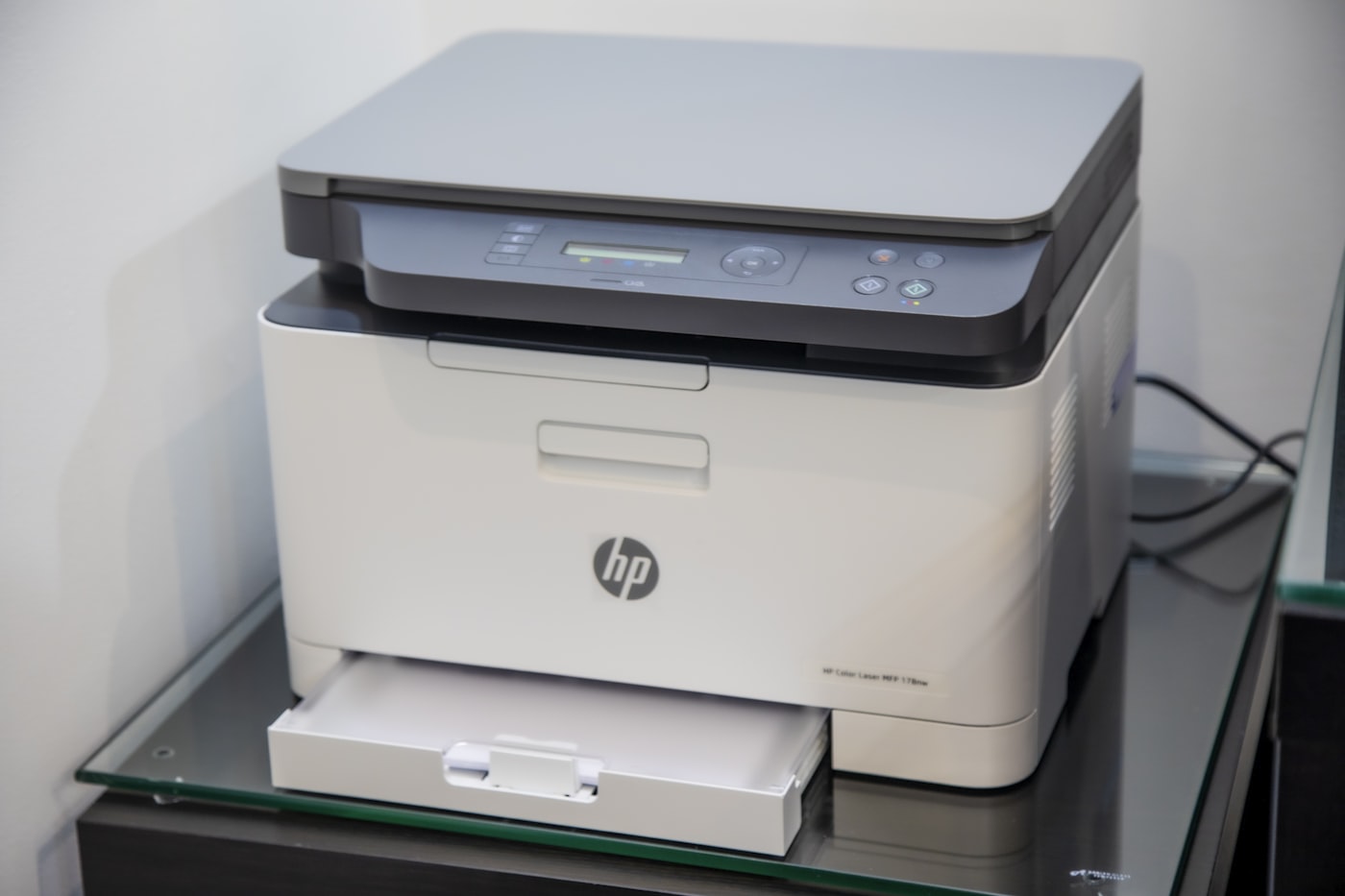
The chassis at the office bracket reaches 80 to 145 kilograms with the standard configuration and 240 to 380 kilograms with full finishers and high-capacity feeders attached. The unit becomes a fixed installation rather than a movable piece of equipment because moving the chassis after installation typically requires a service technician and disconnection from network and power. The placement decision made on installation day is rarely reversed without significant cost, which makes the placement decision worth working out in advance.
The space planning runs across five dimensions that together define a successful installation. The dimensions cover physical footprint with clearance, electrical capacity at the installation point, network access for the chassis and any optional modules, environmental conditions including temperature and humidity, and operational flow for staff using the chassis daily. Each dimension can produce installation problems on the day if not addressed in advance.

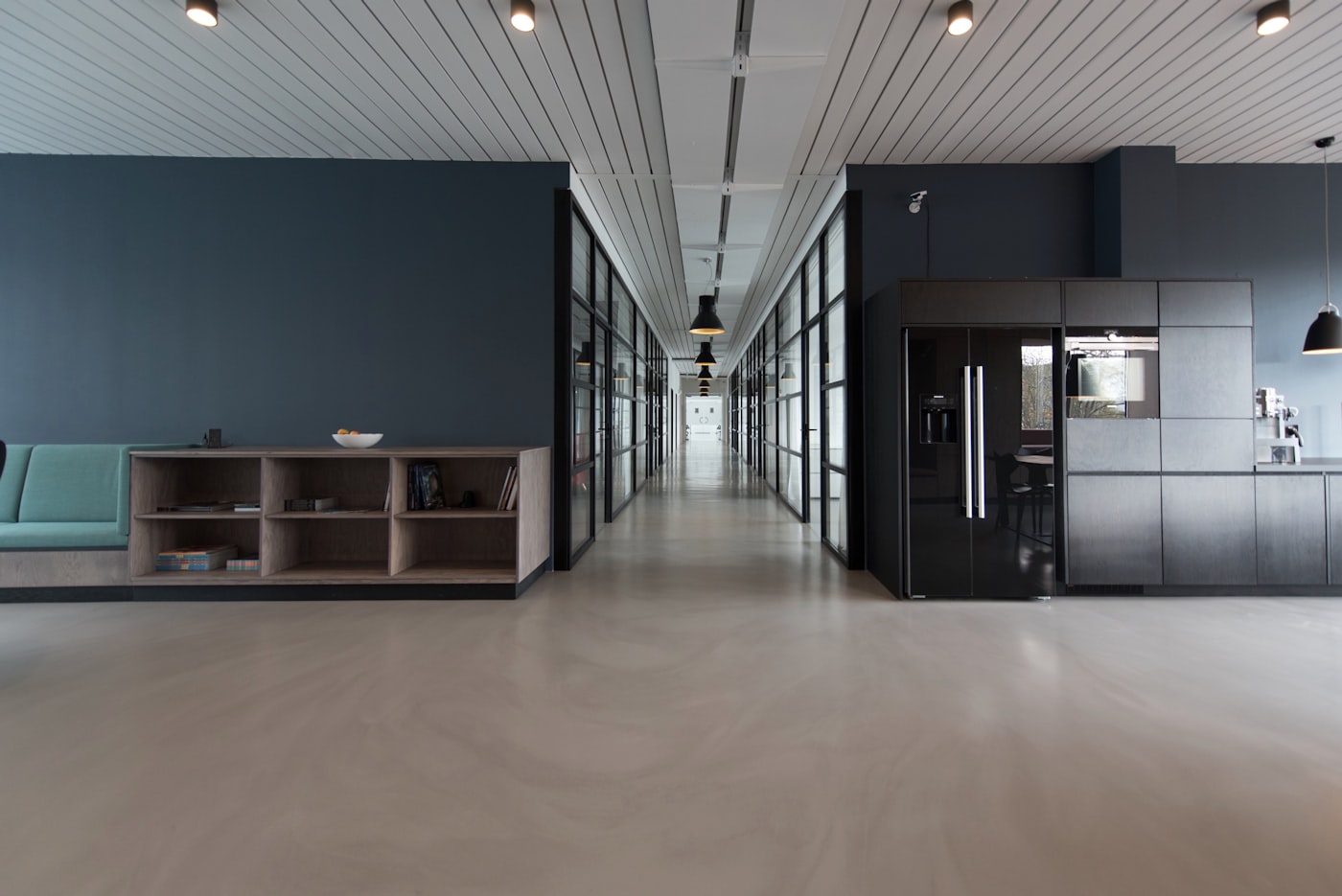
The Spanish dealer typically conducts a site survey during the buying process to identify any obvious issues with the proposed installation location. The survey covers the major dimensions but does not always catch the office-specific details that emerge from how staff actually use the space. The buyer's planning work supplements the dealer's survey with the operational understanding that only the office team carries.
The physical footprint and clearance requirements
The chassis specifications document the physical footprint as the base dimensions of the unit, but the operational footprint requires additional clearance on each side for paper loading, cassette extension, and service access. The standard requirement is 80 centimeters of clearance on the front for cassette pull-out and document feeder operation, 50 centimeters on the back for ventilation and electrical access, 40 centimeters on the right side for finisher access, and 40 centimeters on the left side for service technician access during repairs.
The total operational footprint reaches roughly 2.4 by 2.0 meters for an office-bracket chassis with standard finisher, expanding to 3.5 by 2.5 meters with high-capacity feeders and full finishing. The buyer should mark the footprint on the actual office floor with tape before the delivery to verify that the planned location accommodates the unit with clearance. Marking the floor reveals issues with adjacent furniture, walking paths, and fire safety distances that paper diagrams sometimes miss.
The clearance requirements apply to walls and to other furniture. A chassis pushed against a wall on the left side becomes inaccessible for service work that requires the technician to reach internal components from that side. A chassis with a desk on the right loses access to the finisher output bins. The clearance on each side has to remain available across the chassis service life rather than only at installation, which means the planning should account for how the office layout might shift across years.
The electrical capacity and dedicated circuit requirements
The electrical requirements for office-bracket chassis run from 1.5 kilowatts peak draw on smaller chassis to 3.0 kilowatts on department-class units with full configuration. The peak draw occurs during fuser warm-up cycles when the chassis brings the fuser to operating temperature within the first 30 to 90 seconds of the warm-up sequence. The peak draw exceeds the average draw by three to five times, which produces voltage drops on shared circuits that affect other equipment on the same circuit.
The Spanish electrical standard is 230-volt single-phase at 16 or 20-amp circuits in most office buildings. A 3.0-kilowatt peak draw approaches the 16-amp circuit limit at 3.7 kilowatts, which leaves limited headroom for other equipment sharing the circuit. The chassis should connect to a dedicated circuit when peak draw exceeds 2.0 kilowatts, and the dedicated circuit should be confirmed before installation rather than discovered on the installation day.
The electrical work to install a dedicated circuit takes a qualified electrician 2 to 4 hours and costs 200 to 600 euros depending on the distance from the electrical panel and the building's existing wiring. The work should complete before the chassis delivery so the installation team can connect the chassis directly to the dedicated circuit. Discovering the need for electrical work on installation day produces a delay of several days while the work completes.
The network access and configuration preparation



The network access requires a Gigabit Ethernet drop at the chassis location for the standard wired connection. The drop should connect to the office network with the same security policies that apply to other office devices, including DHCP allocation, DNS configuration, and any network segmentation that separates devices by trust level. The IT team should prepare the network configuration during the delivery window so the chassis connects to the network within minutes of physical installation.
The chassis configuration includes the IP address assignment, the DNS settings, the SMTP relay configuration for scan-to-email operations, the LDAP integration for user authentication, and the document management system endpoints if the office runs SharePoint, Google Drive, or another platform. Each configuration item requires specific information that the IT team should prepare in advance, ideally documented in a configuration sheet that the dealer's installation team can reference.
The wireless configuration handles mobile print and guest access if the office uses these features. The wireless setup typically uses the office's existing SSID and authentication method, which means the IT team needs to provide the wireless credentials to the dealer's installation team. The credentials handling should follow the office's normal password sharing procedures, which may require IT staff present during the relevant portion of the installation rather than transmitting credentials through email or written notes.
The environmental conditions that affect chassis operation
The chassis specifications include operating environment ranges that the manufacturer guarantees performance within. Temperature ranges typically run 10 to 32 degrees Celsius for normal operation, with optimal performance between 18 and 25 degrees. Humidity ranges run 10 to 80 percent relative humidity, with optimal performance between 30 and 70 percent. Spanish offices in summer can exceed the upper temperature range without adequate cooling, and Spanish offices in winter can fall below the optimal humidity range.
The chassis location should avoid direct sunlight because solar heating raises local temperature beyond the ambient room temperature. The location should also avoid air-conditioning vents that produce direct airflow because the airflow disrupts the chassis paper transport on lighter substrates. The location should be at least 50 centimeters from windows and not directly under HVAC vents.
The chassis location should consider dust and contamination sources. The chassis intake filters paper dust and toner residue across operation, and locating the chassis near coffee machines, building entrances with foot traffic, or workshop areas accelerates filter contamination. The chassis still operates in these environments but requires more frequent service intervention to maintain image quality. A note on how environmental conditions affect chassis service intervals covers the operational implications.
The operational flow planning for daily use
The operational flow shapes whether the chassis location supports efficient office work or produces ongoing friction. The location should be reachable from the workstations of the staff who use the chassis most frequently, with walking distance under 30 seconds for typical staff. The location should not require staff to pass through restricted areas or quiet zones because the chassis produces operating noise that disrupts focused work in adjacent spaces.
The location should support paper loading without disrupting other office functions. Paper deliveries typically arrive in 10-ream cartons that need storage near the chassis for daily refilling. The storage area should hold at least one week of typical paper consumption, which reaches 40 to 80 reams for a mid-size office. The storage location should be reachable without crossing the office floor with bulky cartons.
The location should support output retrieval for print jobs. Staff print jobs and walk to the chassis to collect the output, which means the path between common workstation areas and the chassis should not pass through other staff's focused work areas. Open-plan offices often place the chassis in a circulation zone that staff use for various purposes, which keeps the disruption distributed rather than concentrating it in one team's working area.
The pre-delivery checklist
| Category | Verification | Lead time before delivery |
|---|---|---|
| Footprint | Floor marked with tape including clearance | 1 week |
| Floor loading | Building structure verified for chassis weight | 2 weeks |
| Electrical | Dedicated circuit installed if required | 2 weeks |
| Network drop | Gigabit Ethernet at chassis location | 1 week |
| Network config | IP, DNS, SMTP, LDAP documented | 3 days |
| Wireless config | SSID and credentials prepared | 3 days |
| Environment | Temperature and humidity controls verified | 1 week |
| Paper storage | Storage area near chassis prepared | 3 days |
| Operational flow | Path from workstations confirmed | 1 week |
| Staff scheduling | IT and key staff available installation day | 1 week |
The checklist runs through ten verification points that together prepare the office for chassis delivery. The lead times indicate when each verification should complete to allow time for any corrective work before the delivery date. The pre-delivery work prevents installation day surprises that delay the chassis entering service and that produce friction during the early operating period.