How a new photocopier differs from a refurbished one
The difference between a new and a refurbished photocopier is more than the price tag. The two paths carry different warranty terms, parts conditions, and service expectations that shape the chassis economics across years rather than at the moment of acquisition.
What new actually means in the photocopier industry
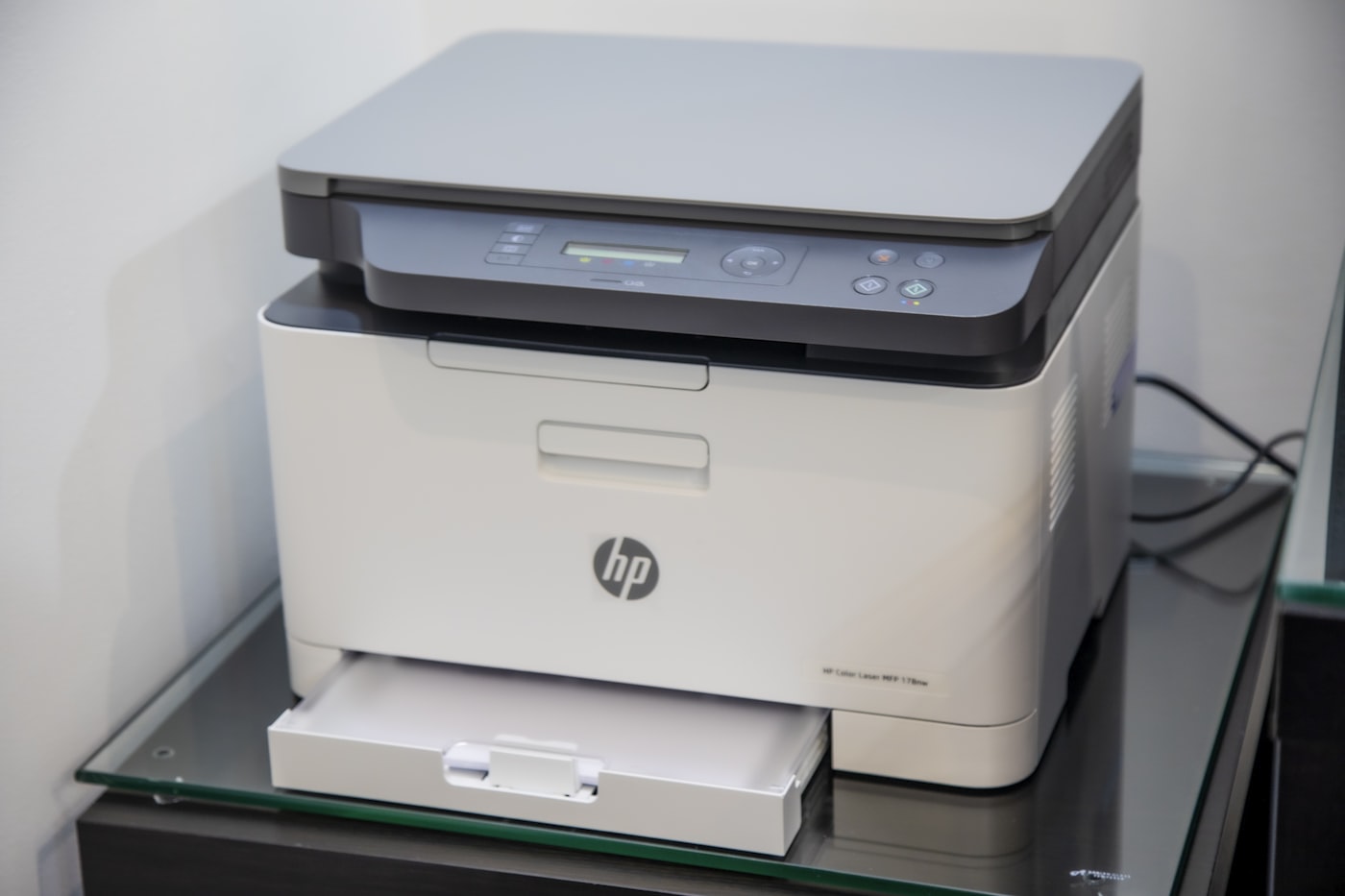
A new photocopier in the Spanish dealer channel arrives sealed in factory packaging from the manufacturer with zero meter count on the internal page counter. The chassis carries the manufacturer's standard warranty, typically 12 months on parts and labor, and the dealer adds optional extended warranty terms that reach two to five years on most chassis. The factory packaging includes inventory tags, original consumables sized for installation, and the manufacturer's setup documentation in Spanish.
The chassis ships with the most current firmware available at the time of shipment, which means the unit benefits from the most recent security patches and feature updates the manufacturer has released. The internal hard drive arrives blank, which means no previous customer data exists on the storage and the encryption keys generate fresh during the first boot. The chassis arrives in a clean state that the dealer's installation team configures to the new customer's network and security requirements.

The price for new chassis includes the full manufacturer margin, dealer margin, and service support relationship across the chassis useful life. The acquisition cost is the highest the chassis will reach across its lifecycle because every subsequent owner pays less for the same chassis as it ages. The economics of buying new reflect the combined value of zero usage history, full warranty terms, and the longest expected service life from the same hardware.
What refurbished actually means in the same channel
A refurbished photocopier in the Spanish dealer channel is a chassis that previously served a customer for some portion of its useful life and that the dealer has restored to a defined operating standard before reselling. The refurbishment process varies significantly across dealers and across the chassis bracket, and the phrase "refurbished" without specific scope description is closer to marketing language than technical description.
Common refurbishment scope at reputable dealers includes replacement of all consumable components including drum units, fuser units, transfer belts, and developers; replacement of any worn rollers, sensors, or feed components; firmware updates to current versions; full chassis cleaning including imaging path and paper transport; and a documented test cycle of 500 to 2,000 pages to verify operation. The refurbished chassis arrives at the new customer with the meter reset or with documentation of original meter count plus the refurbishment work performed.
The price for refurbished chassis typically lands at 35 to 65 percent of new chassis acquisition cost depending on the chassis age, original meter count, and refurbishment depth. The savings reflect the chassis usage history and the shorter expected remaining service life. A note on how to read a refurbishment certificate covers what documentation should accompany a properly refurbished chassis.

The warranty difference and what it actually covers
New chassis warranties run on standard manufacturer terms that cover parts and labor for 12 months from delivery, with extended terms available through dealer service contracts. The warranty covers manufacturing defects, premature component failure, and certain consumable issues that arise from manufacturing rather than from use. The warranty does not cover damage from improper use, paper jams that result from substrate selection outside specification, or damage from environmental conditions outside the chassis operating envelope.
Refurbished chassis warranties run on dealer terms rather than manufacturer terms, which means the warranty coverage depends on the specific dealer's policies. Reputable dealers offer 30 to 90-day warranties on refurbished chassis covering parts and labor for any issue that arises within the warranty window. The shorter warranty reflects the chassis usage history and the dealer's confidence in the refurbishment work. Some dealers offer extended warranty programs on refurbished chassis that reach 12 to 24 months at additional cost.
The practical warranty difference matters most in the first year of ownership. A new chassis that develops a problem in month nine receives manufacturer-funded repair under standard warranty. A refurbished chassis that develops the same problem in month nine likely falls outside the standard refurbished warranty and requires the customer to fund the repair. The financial exposure on early-life issues is the most significant economic difference between the two paths.
The expected service life difference

A new office chassis at the 3,000-7,000 euro bracket typically reaches 6 to 8 years of useful service before the cost of major repairs exceeds the value of replacement. The chassis duty cycle of 12,000 to 25,000 pages per month spread across that timeframe reaches 1.0 to 2.4 million total pages, which approaches the design life of the imaging engine. The chassis serves the same customer throughout because the new acquisition aligns with the start of the useful life curve.
A refurbished chassis at the same bracket typically reaches 3 to 5 years of additional service from the refurbishment date, depending on the meter count at refurbishment and the volume the new customer puts through the unit. The chassis arrives partway through its useful life curve, and the remaining service life depends heavily on the original usage profile and the refurbishment depth. A chassis with 500,000 pages on the meter at refurbishment serves longer than one with 1.5 million pages, even if both received the same refurbishment work.
The total cost of ownership calculation across the same time horizon shifts the math. A new chassis at 5,500 euros with 8-year service life reaches roughly 690 euros per year of service. A refurbished chassis at 2,800 euros with 4-year service life reaches roughly 700 euros per year. The two paths land surprisingly close on annualized cost when the analysis includes the actual service life, which is why the right path depends on factors beyond the headline price.
The components that change with refurbishment
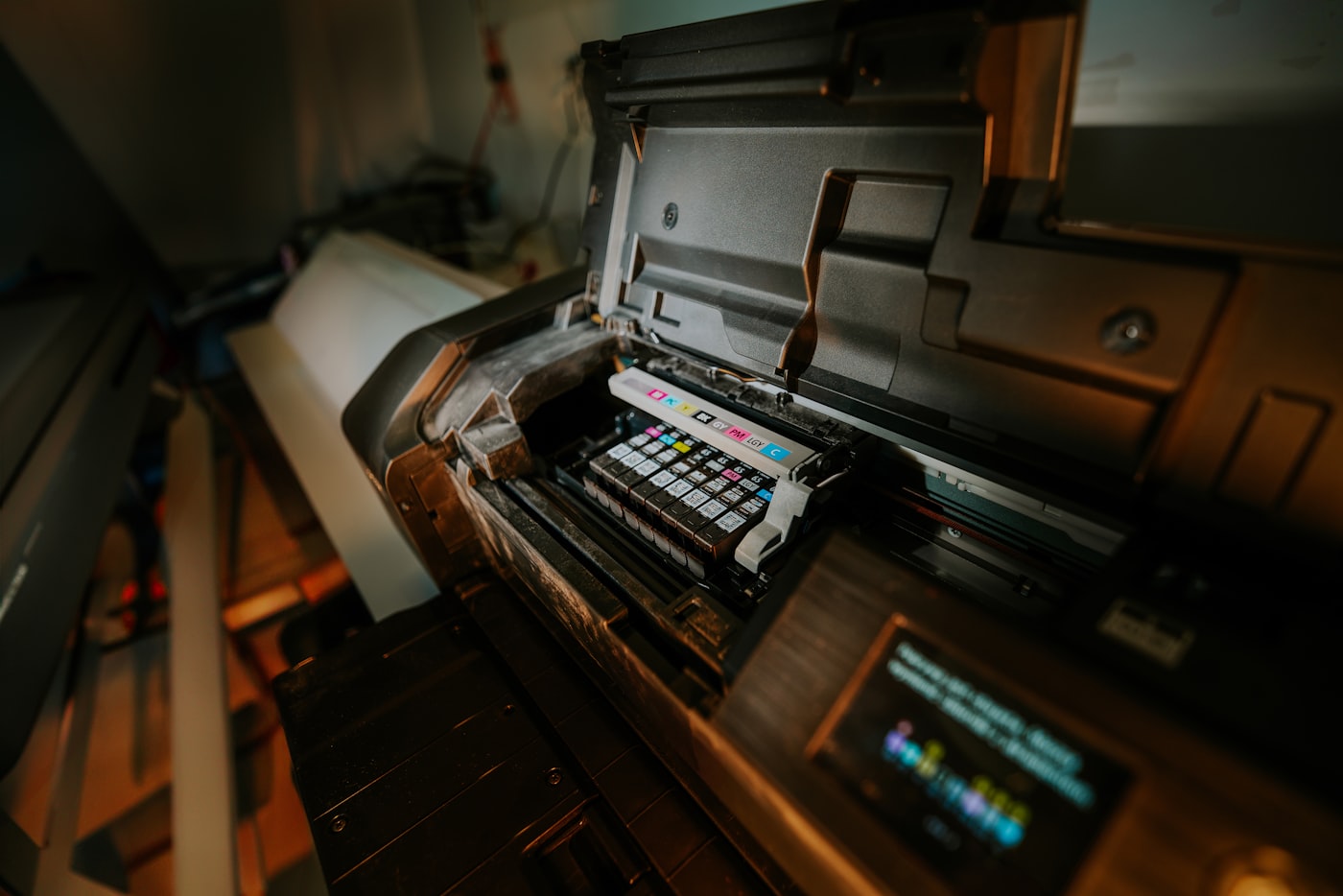
The refurbishment process replaces some components and not others. Components that always require replacement during a thorough refurbishment include the drum unit because drum life rarely matches chassis life, the fuser unit because fuser wear shapes image quality, the transfer belt because belt wear produces image artifacts, and the developer because developer carrier wear affects toner application. These components together represent 800 to 2,400 euros in parts cost depending on the chassis bracket.
Components that may or may not require replacement depending on usage and condition include feed rollers, separator pads, registration rollers, the document feeder rollers, sensors, and circuit boards. A reputable refurbishment includes inspection of these components against manufacturer wear specifications, with replacement when the inspection shows wear above defined thresholds. A less thorough refurbishment skips these inspections and produces a chassis that will need these replacements in the first year of customer service.
Components that rarely require replacement during refurbishment include the imaging laser unit, the polygon mirror assembly, the main control board, and the chassis frame and panels. These components carry expected lifespans that exceed the chassis useful life by significant margins, and replacement is unnecessary unless specific damage exists. The refurbishment process inspects these components but rarely replaces them because the parts cost would push the refurbished price toward new acquisition cost.
The decision matrix
| Criterion | New favored when | Refurbished favored when |
|---|---|---|
| Capital availability | Adequate | Constrained |
| Service life expectation | 6+ years | 3-5 years |
| Warranty importance | Critical | Acceptable risk |
| Volume profile | Heavy daily use | Light to moderate |
| Compliance certification | Required | Acceptable basic |
| Total ownership philosophy | Long-term keep | Mid-term replace |
The matrix reveals when each path delivers better economics. New chassis pay back when the office expects long service life and values warranty depth. Refurbished chassis pay back when capital is constrained and the office accepts shorter remaining life in exchange for lower acquisition cost. Most offices land in mixed cases and should weigh which factors dominate their actual constraints.