Screening Accelerators At Scale · Why A Fleet’s Reliability Is Arithmetic, And What A Burn-In Catches Before A GPU Ever Reaches The Racks
A data center does not run one GPU; it runs a host of them, and at that scale the rare becomes the routine. A failure rate that is a slim misfortune for a single card turns into a steady drumbeat of dead and faltering units across a fleet of many thousands, each one a job interrupted and a node pulled. Burn-in exists to bend that early-failure curve down before the cards reach the racks, taking the weak units on a bench where the cost is bearable rather than in a live cluster where it is not. The worst of what it hunts is not the card that dies but the one that quietly computes a wrong answer.
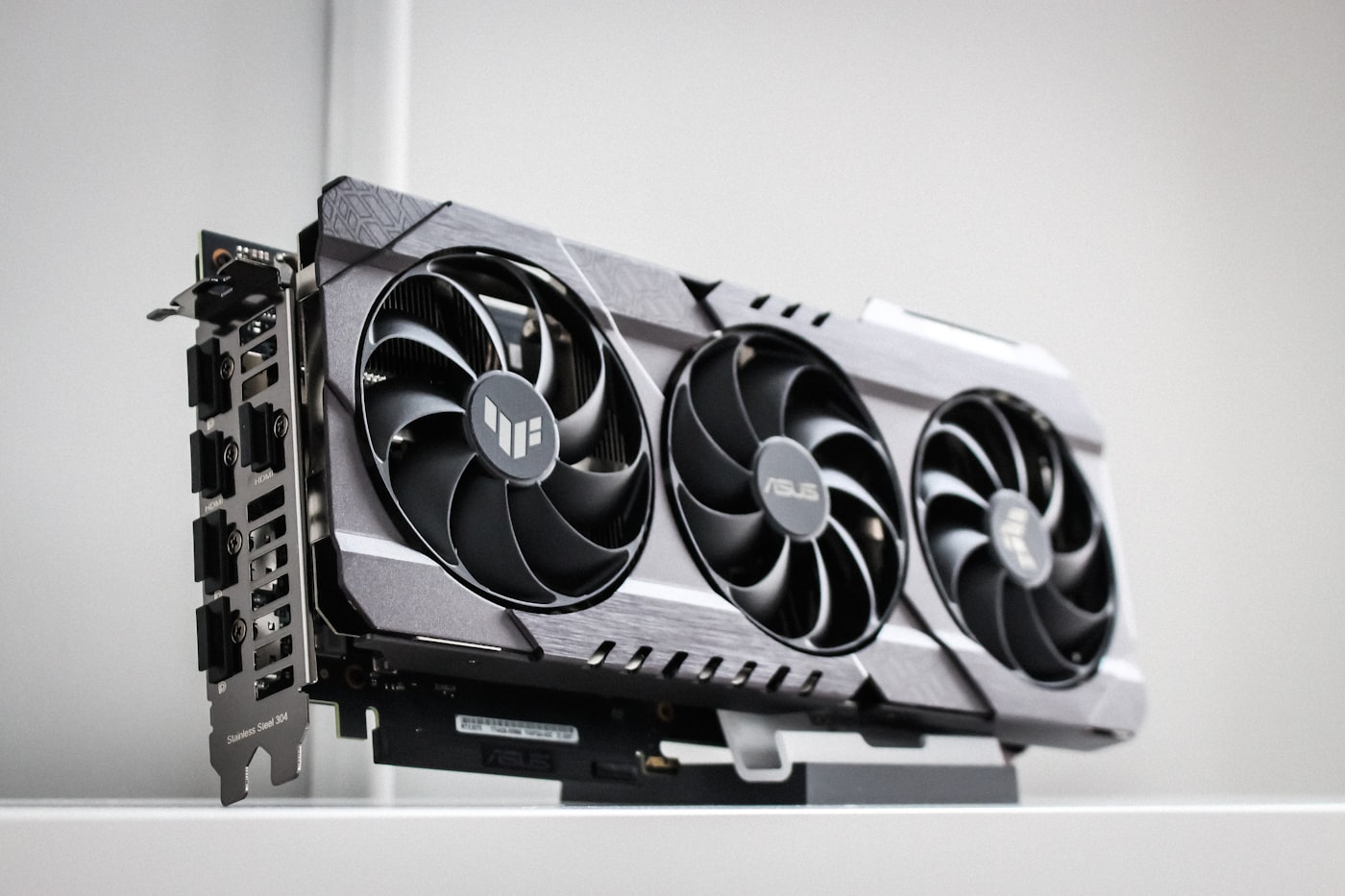
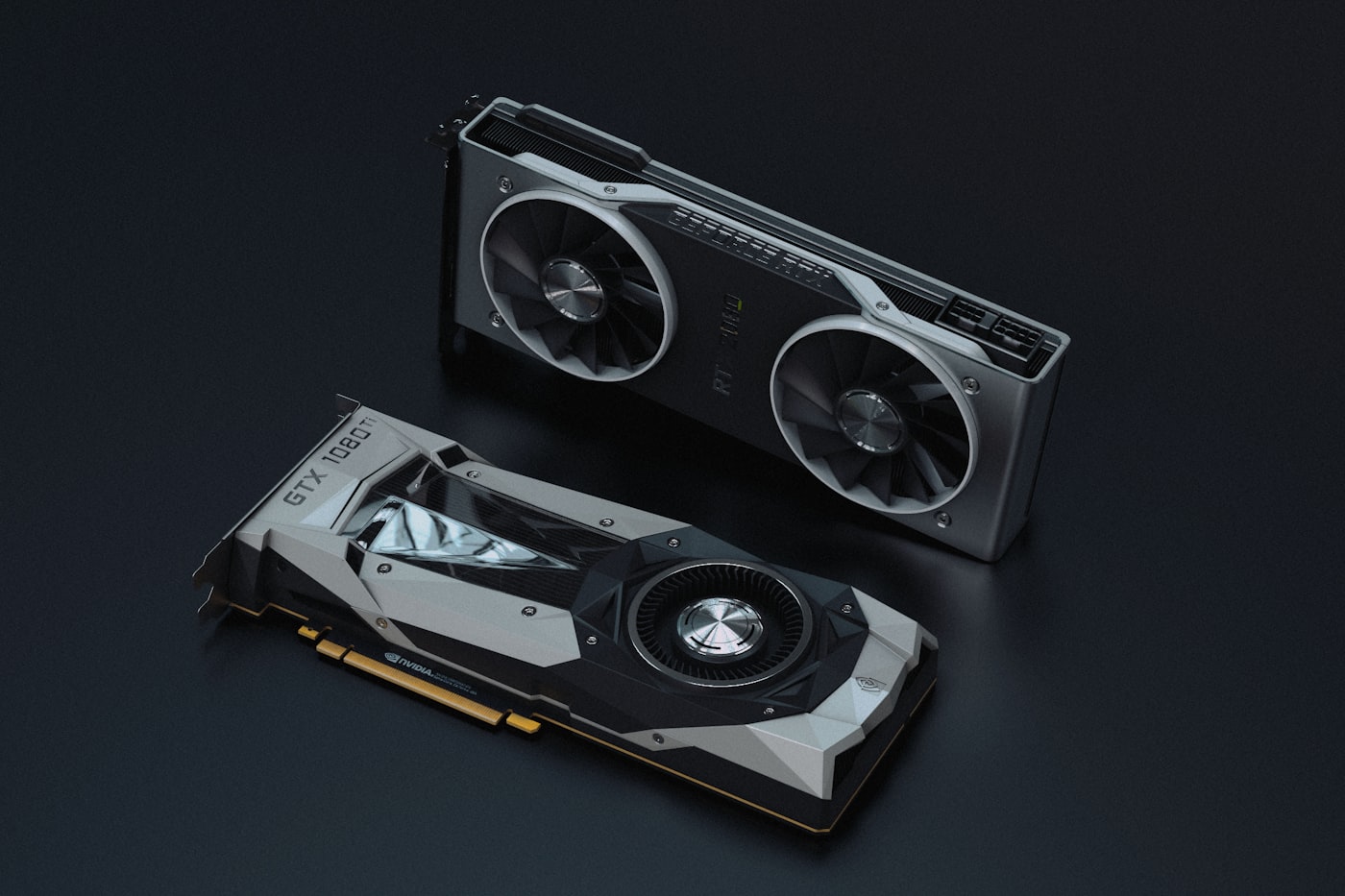
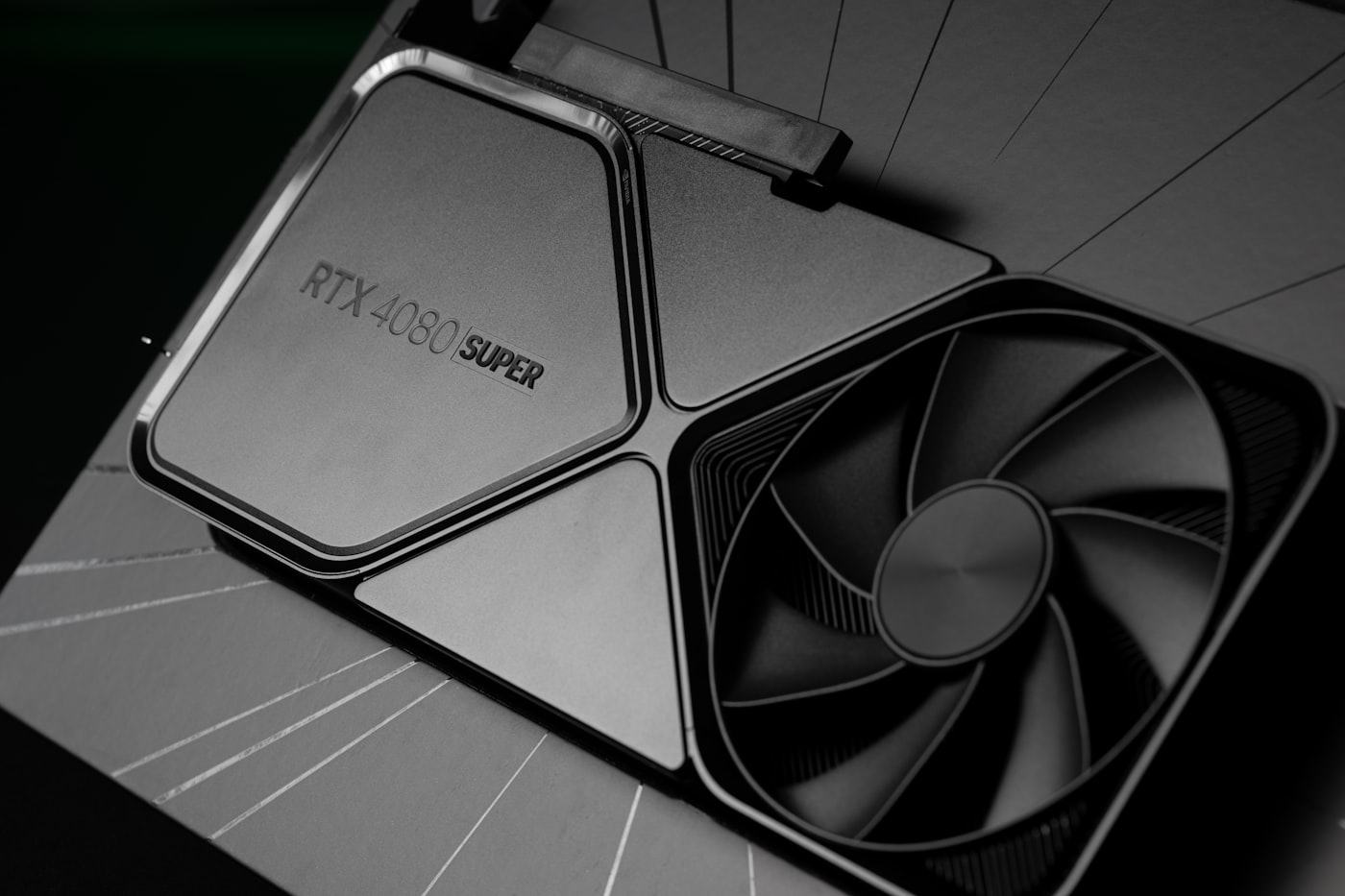
Accelerator cards, screened before they join a fleet
Reliability is a number
Reliability, at fleet scale, is arithmetic.
What GPU burn-in is for
Burning in a GPU is running the accelerator hard for a spell before it is trusted in service, to drive out the units that would fail early; the shape and reason of that screen are set out elsewhere. The point particular to a GPU is where it is bound: a data center, where it will be one of a great many, and where a fleet’s dependability is everything.
So the burn-in is read against a fleet, not a single card. It asks not merely whether this accelerator works, but whether the population it belongs to will be reliable enough that the cluster built from it can be trusted to run.
The arithmetic of a fleet
The reason a data center burns in its GPUs at all is a matter of arithmetic, and the arithmetic is unforgiving at scale. A single accelerator that fails one time in a thousand early in its life is, on its own, a rare misfortune; spread that same rate across a fleet of a hundred thousand, and it becomes a hundred failures, a steady drumbeat of dead or faltering cards arriving in the first weeks of service. Each of those is not a quiet statistic but an event: a node pulled from a running job, an engineer sent to swap it, a training run checkpointed and restarted, a slice of a costly cluster sitting idle while the fault is found. The reliability of the whole, in plain terms, is the sum of the reliability of its parts, and the part of a card’s life likeliest to fail is its first, the early stretch a screen is built to clear. Burn-in exists to bend that early curve down before the cards ever reach the floor, to take the units that would have failed in the fleet’s first weeks and fail them instead on a bench where the cost is a line of yield loss rather than a disrupted run. What makes this peculiarly a data-center concern is the multiplier. For a handful of cards a weak rate of one in a thousand is a shrug; for a fleet it is a daily fire, and the larger the build, the more the early failures pile up at once just as the cluster is meant to come online. So the operator pays, knowingly, to move that pile. It accepts a bench cost it can predict, the time and power of running every card hard before deployment, in exchange for shedding a field cost it cannot, the scattered, expensive, trust-eroding failures of weak cards discovered live. That trade is the whole logic of GPU burn-in, and it grows more compelling, not less, as the fleets grow larger, because at the scale of modern computing the gap between a screened population and an unscreened one is measured not in a few bad cards but in the reliability of the cluster as a thing that must just work.
Many, not one
A data center runs not one GPU but a host.
The card, not yet the server
A GPU is often burned in as a card, before it is ever built into a machine. The accelerator board, with its die, its memory, and its power stages, is stressed on its own, so a weak one is found while it is still cheap to set aside.
That stage matters because cost climbs with integration. A card caught weak on its own is swapped for pennies of handling; the same weakness found after it is soldered, assembled, and built into a server is a far dearer thing to unpick.
The whole server has its own burn-in later, a separate trial of the assembled machine, which is its own subject. The card-level screen is the GPU’s own gate, the first place its early weakness has to show.
Every card, not a sample
Because each weak card counts, a fleet screen is rarely a sample. Where a qualification might prove a design from a handful, a reliability burn-in runs every card that will ship, since at scale the one unscreened unit is the one that fails in the field.
That makes the screen a production line rather than a study. It is built to pass thousands, not to characterize a few, and its measure is how cleanly and quickly it can run a whole population through the stress and out the other side sorted.
Stressed while it computes
The card is stressed while it computes, not merely while it sits idle.
Silent data corruption
The reliability a fleet fears above all is not the failure that announces itself. A GPU can die outright, and that is easy to see; harder, and worse at scale, is the card that keeps running but hands back a wrong answer, a silent corruption that throws no error and trips no alarm.
At the scale of a fleet such a fault is poison. A marginal accelerator that miscomputes only when hot and loaded can quietly spoil a long training step or return a wrong result, and because it never crashes, the harm can spread far before anyone has cause to look.
Burn-in under real stress is one way to flush such a device out. Run hard the way the fleet will run it, a card that computes wrong under pressure has a chance to betray itself on the bench, where a checked result can catch the lie before it ships.
Wrong, not dead
The worst GPU fault is not the one that dies but the one that quietly lies.
What the stress draws out
Some cards die young outright. A latent flaw, born in the silicon or the build, gives way under the first hard stress, and the card that would have failed in the fleet’s first week fails instead on the bench, which is the plainest thing a burn-in catches.
Others do not die but falter. A device marginal in its timing or its memory may pass a cool, idle check yet stumble when run hot and busy, dropping a bit or miscomputing, and the powered stress is the condition that draws that marginality into the open.
Some weakness is mechanical. The dense board carries heavy chips and many contacts, and a poor solder joint or a marginal connector can open under the heat and movement of the stress, a failure the cycling story names and the GPU board meets in its own crowded form.
And some cards merely misbehave. One that throttles early, runs unstable, or logs a creeping error is not dead but not trustworthy either, and a burn-in that reads such signs sets it aside before the fleet has to.
Caught on the bench
Far better caught on the bench than trusted out in the fleet.
Reliability bought before deployment
Seen whole, burn-in is a way of buying reliability before it is needed. It moves the early failures of a card population from the deployed fleet, where each is dear and disruptive, to the bench, where they are a known and bearable cost of doing the screen.
The data center pays a price it can foresee, the power and time of stressing every card, to avoid one it cannot, the scattered field failures of weak units in a live cluster. Reliability, on this view, is something bought at the bench and banked for the floor.
The numbers a fleet keeps
A data center manages reliability as a set of numbers, not a feeling. It tracks how many cards fail in their early life, how many fail across a year of service, how many silent errors are caught, and it reads its fleet’s health in those figures.
Burn-in is judged against them. A screen earns its place by how far it pulls the early-life failure rate down, by how many weak cards it catches that would otherwise have shown up in the annual count, and a screen that moved the numbers little would not be kept.
So the stress is tuned to the metrics. How hard and how long to burn is set by what the numbers ask for, enough to clear the early failures without spending good cards, and the screen is dialled against the reliability it is meant to buy.
What the chamber must do
For the chamber, the first task is to hold the stress for many cards at once, a whole build at a time, since a fleet is screened by the rack and not the card.
Powering, loading, and cooling those cards while they run is the table stakes of any active burn-in, a demand its own account describes; here it is the ground the work stands on, not the work itself.
The work itself is the verdict. The chamber must judge each card sound, suspect, or failed by the rules the screen sets, and keep its sorting straight, so a marginal unit is pulled and a clean one passes, because a screen that muddled its bins would undo the reliability it was built to buy.
To judge well it must read each card apart from its neighbours, watching results and health per unit, so a silent miscompute or a creeping error is pinned to the one card that owns it and not lost in the crowd.
And it must do all of this at the pace a fleet build demands, running the sound apart from the suspect by the thousand without becoming the bottleneck that holds a deployment up.
Weakest cards set the floor
A fleet is only as reliable as the weakest cards it was built from.
Why data centers insist
This is why a fleet operator insists on the screen rather than hoping. At hyperscale a small unreliability is a large cost, told in downtime, in wrong results, in the engineers and the idle hardware a stream of failures consumes.
Against that, the bench cost of burn-in is cheap insurance. Running every card hard before it ships is a price paid once and known; the failures it prevents are paid again and again and never wholly predictable, which is why the screen is not the corner a careful operator cuts.
Reliable before the rack
A GPU that comes through burn-in has run hot and worked hard and shown neither an early death nor a quiet lie, and earned a place in the fleet on more than hope. Its reliability is no longer assumed but tested.
That is the promise the screen makes to the data center: that the cards filling its racks have already met the stress that would have broken the weak ones, so the cluster they build can be trusted to run as it must.