Fluid Contamination Test Chamber For Components Per IEC 60068 2 68
Every product lives among liquids that were never meant for it. The test asks what one accidental meeting costs.
Within the IEC 60068 environmental family, the contamination-by-fluids method, the test the family designates Xc, answers a narrow, expensive question: when a component or piece of equipment meets a working fluid by accident, a splash of fuel during refilling, hydraulic oil from a parted hose, cleaning agent from a maintenance wipe-down, does the material survive the encounter? The method is deliberately not an immersion endurance test, nor a certificate against electrolytic corrosion; it examines the brief, realistic contact that service life delivers uninvited. What separates a useful fluids programme from a wasted one is almost never the chamber work. It is the recipe, which fluids, in which contact, at which temperature; the recipe comes from reading the product’s service life like a logbook.
What the method is for
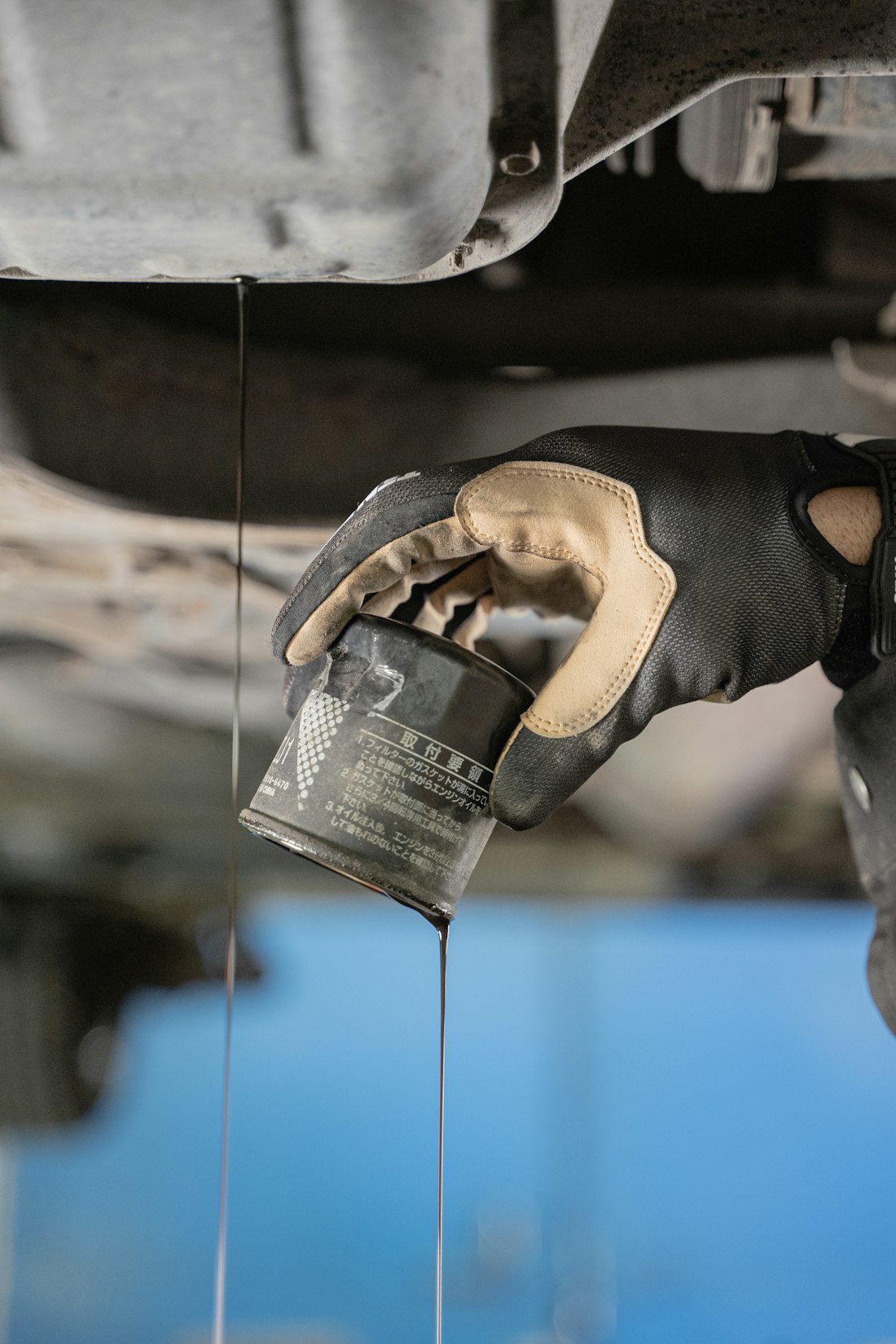
The scope line deserves first place because programmes overrun it constantly. The method examines accidental contact: wetting that happens in minutes, followed by whatever sitting time passes before anyone cleans it. A connector beside an engine meets oil mist, occasional drips; a panel in a workshop meets degreaser on a rag; a housing under a vehicle meets de-icing salt spray thrown by a wheel; an instrument cart in a clinic meets a disinfectant wipe on a schedule printed beside the door. None of these encounters lasts long; all of them happen on schedules measured in weeks, which is exactly the exposure class the method stages.
Continuous service in a fluid belongs to other tests entirely. A pump interior, a sensor living inside a gearbox, a submerged level switch: their materials questions are real, while this method’s exposures, brief wetting followed by a defined dwell, answer nothing about them. Specifications that cite the fluids method for an immersed duty have specified a handshake where the service is a marriage. The mismatch surfaces at the first field failure, when the immersed part’s warranty file quotes a test that examined minutes of wetting against a life spent submerged.
The electrolytic exclusion runs parallel: fluid plus voltage plus dissimilar metals is its own corrosion discipline with its own methods. The fluids test reads material compatibility, swelling, softening, crazing, attack on markings, never galvanic chemistry, a boundary the report should state in its scope paragraph.
Where the recipe comes from
The standard supplies a list of representative fluids; the list’s own preface does the hardest-working sentence in the document: no specimen is expected to meet all of the listed fluids, or even any particular one; fluids absent from the list belong in the programme whenever the product’s service makes them relevant. That sentence relocates the test’s centre of gravity from the laboratory to the service file without raising its voice. The honest recipe gets written by walking the product’s life: what does the platform it bolts to carry in its tanks, in its lines, what do the maintenance procedures call up by name, what do operators in that industry keep on the shelf, what gets sprayed, spilled or wiped down within a metre of the installation point on an ordinary working day? An aviation box answers with fuels, hydraulic fluids, de-icing mixtures, whatever cleaning agents the operating airline’s manuals specify; an agricultural controller answers with diesel, hydraulic oil, fertiliser solutions, pressure-washer detergents; a medical housing answers with the disinfectant roster of a hospital cleaning contract, a list that changes by region, by pandemic-era policy, which the programme inherits whether it noticed or never asked. Each answer becomes a row in the test matrix, each row gets a contact mode, a temperature, with the standard’s representative list serving as a cross-check that nothing common was forgotten, never as a menu that limits the order. Programmes that copy the list verbatim test fluids their product will never meet; the one liquid the service file mentions on every page goes missing, an inversion of effort that a single afternoon with the maintenance manual would have prevented.
What liquids do to materials
Polymers carry the bulk of the risk; fluids attack them along three private channels. The first is plasticisation: small molecules slip between polymer chains, the material swells, softens, loses its dimensional story, sometimes recovering on drying, sometimes keeping the shape its swollen weeks taught it. Fuel-swollen gaskets that no longer seal after the fuel evaporates have lived this channel to its end. The swelling itself is measurable within hours, which makes the prompt inspection the channel’s best witness.
The second channel runs the other way: extraction. The fluid dissolves the plasticisers, stabilisers out of the polymer, leaving the material harder, smaller, brittle, with cracking arriving weeks after the contact that caused it. The delayed schedule is why dwell time, post-test storage belong in the method’s design. A gasket that passed inspection on Friday can crack in the archive box by month’s end, having lost its plasticisers to a fluid the report already closed out.
The third is direct chemical attack, ester linkages hydrolysed, chains scissioned, surfaces crazed, the channel where aggressive cleaning agents meet the wrong polymer family. Metals join the casualty list mainly through their finishes: inks, laser markings smeared into illegibility, conversion coatings stripped, platings stained, which is why marking legibility is a standing inspection item after fluid exposure. Safety, certification marks carry legal weight, so a dissolved label can fail a product that worked flawlessly through the entire electrical programme.
Building the matrix
The recipe becomes a matrix when fluids meet priorities. Each candidate fluid earns two scores from the service file: how likely the contact, read from proximity, from procedure, then how costly the failure, read from what the component does for the platform that carries it. The matrix orders itself, with likely-and-critical pairs tested first, unlikely-and-cosmetic pairs reasoned away in writing. The written reasoning matters as much as the testing, since an auditor reading why a row was excluded learns the programme thought; a silent gap reads as an oversight.
Contact mode joins each row as its second column. A fluid that drips in service gets applied as drops or brief partial immersion; one that arrives as mist or spray gets sprayed; one delivered on a maintenance rag gets wiped or brushed across the surface, the application copying the service event it stands for, on the principle every method in this family repeats.
Temperature completes the row twice over: the fluid’s temperature at contact, hot oil splashing from a running system behaves unlike the same oil at room temperature, then the dwell temperature afterwards, since a contaminated part that keeps operating warm gives the chemistry hours of kinetics a cold bench never supplies. Both temperatures come from the same service file that named the fluid, read from the platform’s operating figures rather than assumed.
The finished matrix is short where thinking happened. A dozen deliberate rows, each traceable to a sentence in the service file, outperform fifty rows of catalogue coverage, in cost, in schedule, in the credibility of the eventual compatibility claim. Reviewers trust a short matrix with citations the way they trust any argument that shows its sources.
The matrix also fixes responsibility in a useful way. When the fluid list comes from the service file, the test engineer owns the staging; the platform owner owns the list; so a missed fluid traces to a missing sentence in somebody’s manual, a correctable document problem. When the list came from a catalogue, a missed fluid traces to nobody, the failure investigation finds no author to ask, the lesson lands in no file. Programmes that have lived through one such investigation start writing ownership into the matrix header, fluid column signed by the platform side, staging columns signed by the laboratory, one line of bureaucracy that settles years of future arguments.
A worked example, one connector
Consider a sealed connector specified for an agricultural tractor’s engine bay, the kind of part this method serves weekly. The service file reading takes an hour: the platform’s tanks hold diesel, a urea-based exhaust fluid, the hydraulics run a named mineral oil, the maintenance chapter calls up a degreaser by trade family; the operator chapter warns about pressure washing.
The matrix then writes itself from those service sentences. Diesel as drops with runoff trapped at the seal line, because refuelling drips are a weekly certainty; the exhaust fluid as drops too, its crystallising residue noted as an inspection item because field connectors wear those crystals like a diagnosis; hydraulic oil applied warm, since hose failures spray it at operating temperature; the degreaser wiped across housing, across markings, copying the rag that will carry it.
Pressure-washer detergent earns the fifth row sprayed, with the dwell warm because washing happens after work while the engine bay still holds its heat, the detail an afternoon in any farm workshop confirms. Five rows, every one carrying a citation into the service file, nothing borrowed from the representative list except the cross-check that nothing common was missed.
The example’s arithmetic generalises across industries. An hour of reading produced five relevant rows; the catalogue approach would have produced a dozen irrelevant ones at twice the cost, the exhaust fluid missed entirely, the row that, on this platform, fails real connectors in real fields.
Where fluids sit in a larger programme
Sequence position changes what the fluids rows discover. Run before the climatic work, contamination leaves residues that the subsequent damp heat or thermal cycling activates, salts wicking with moisture, plasticised seals meeting cold while still swollen, which is the realistic order for products contaminated early in their service lives, vehicles above all, where the first oil drip lands in the first month.
Run after the climatic sequence, the fluids meet seals already aged by the programme, reading compatibility at end-of-life condition, the harder examination for aged elastomers, whose chemical resistance runs below what the new material showed. Either order is defensible; the choice belongs in the plan with its reasoning attached, because the two orders answer different questions under the same row labels. Programmes that split the difference run the highest-priority fluid rows twice, once at each end of the climatic sequence, buying both answers for one extra chemistry purchase.
Pricing a fluids campaign
The cost structure follows rows, never hours. Each row carries its fluid purchase in test grade, its fixtures or liners, its share of the dwell chamber’s calendar, then its disposal line, since contaminated specimens, fluids, wipes leave as regulated waste in many of the chemistries the matrices use.
Disposal is the line newcomers forget to quote. A programme of solvent rows can spend more on compliant waste routing than on chamber time, which argues once more for the short, service-traceable matrix: every row removed by honest reasoning saves its chemistry, its calendar, its disposal, in one stroke. Quotes that itemise per row also negotiate better, since the customer sees exactly what each staged accident costs, then trims in concert with the laboratory, never against it.
Applying the fluid
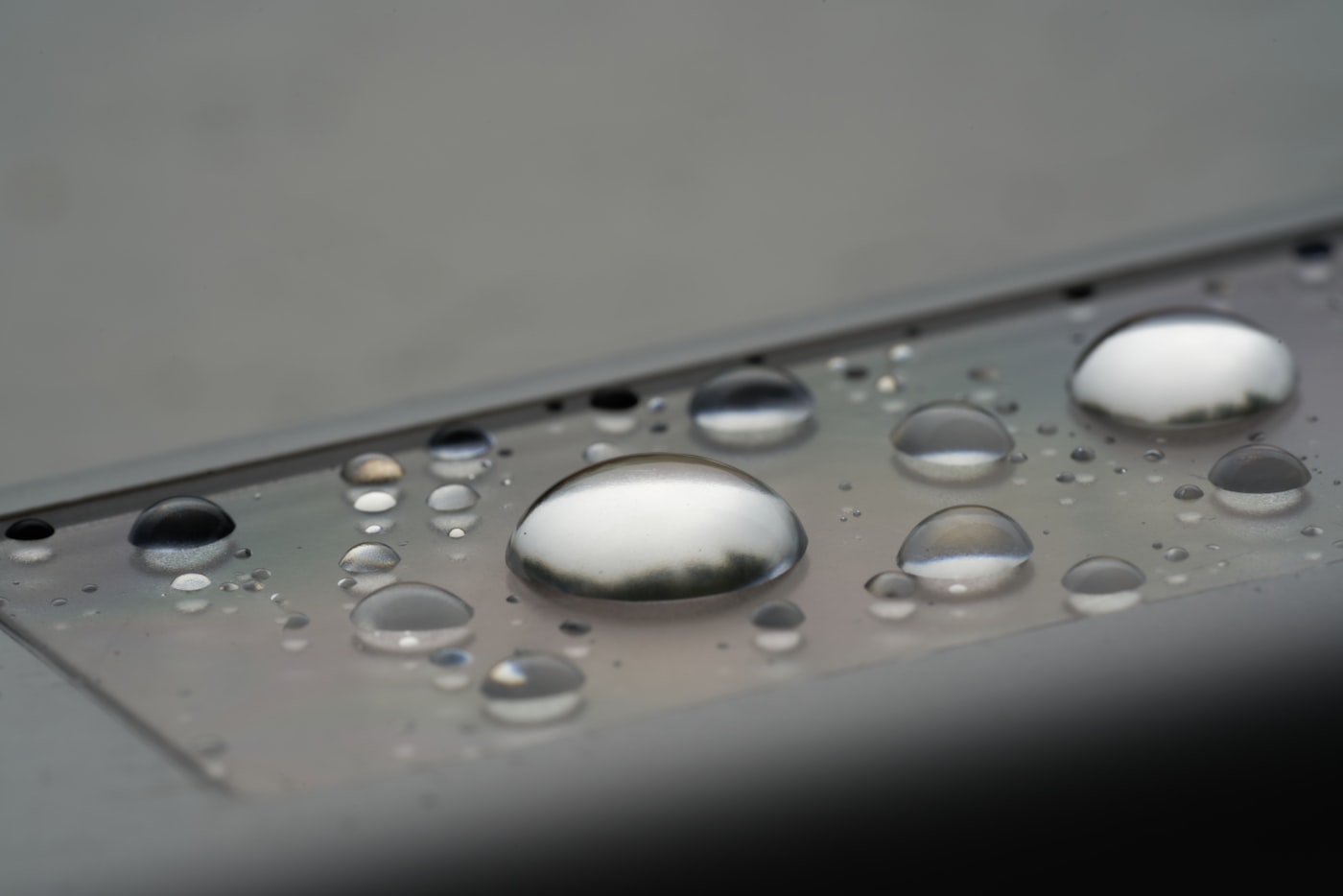
Execution practice keeps the wetting honest. The specimen arrives in its service state, finishes cured, markings applied, gaskets installed, because the test reads interfaces as much as bulk materials, the glue line, the over-moulded joint, the label adhesive, places no material datasheet covers. Application covers the surfaces the service event would reach, the edges, the seams, with the fluid fresh, its specification recorded, batch, grade, dilution where the service uses one.
Quantity follows realism: enough to wet thoroughly, with any runoff allowed to sit where geometry traps it, since pooled fluid against a seam is exactly the service condition the splash creates. The wetting itself is brief; the chemistry gets its time in the next step. Photographing the wetted state before the dwell records where the fluid sat, the map every later observation gets read against.
The dwell, where the damage happens
After wetting, the specimen rests at the specified temperature for the specified period, commonly in a heated chamber, with the elevated condition standing in for the operating warmth the real installation would supply. This dwell is the test’s engine: diffusion needs hours, extraction needs days; a wipe-off immediately after application would examine nothing except the operator’s cloth.
Dwell design borrows the family’s stabilisation discipline wholesale: temperature held within ordinary tolerances, time counted from arrival at condition, the specimen unpowered or powered per its service role. Powered dwells deserve a current log, since a contamination path that conducts announces itself first as a leakage trend long before any visible damage. Where the service includes repeated contamination, refuelling weekly, washing daily, the plan repeats the wet-dwell cycle in place of extending a single dwell, since repeated wetting refreshes the chemistry the way service does.
The method in one line
Wet it the way service would, keep it warm, then inspect twice.
Reading the damage
Inspection runs from the surface inward. Appearance first: colour change, gloss change, crazing, blistering, wrinkling of films, corrosion staining, every observation against the pre-test photographs of the same faces, shot under the same lighting so a gloss change reads as evidence, the lamp angle ruled out. Markings get read deliberately, part numbers, warnings, certification marks, because a label dissolved by cleaning agent is a regulatory failure no electrical measurement detects. Reading them aloud against the drawing takes a minute per specimen; the discipline catches partial fades that a glance forgives.
Dimension, mechanics follow: swelling measured where gaskets mate with housings, hardness compared against baseline on the materials that permit it, fasteners, latches operated by hand, the operator’s notes recorded, connectors mated, unmated, through their full cycle. Function closes the sequence where the component operates, with particular attention to elastomer-dependent behaviour, sealing, damping, button feel, the properties plasticisation rewrites first. A keypad that still conducts while its buttons have gone soft has failed in the hand though it passed on the meter.
Timing matters twice: inspection promptly after the dwell catches the swollen, softened state before evaporation hides it, then a second look after defined storage catches the delayed brittleness extraction leaves behind. Single-inspection plans systematically miss one of the two endings, whichever one the schedule happened to skip.
Predicting trouble before staging it
The matrix gets sharper when materials knowledge reviews it first. Polymer families carry known allergies: polycarbonate housings stress-crack in the presence of certain alkaline cleaners, of amines, nitrile seals shrug off mineral oils; ozone, some esters age them; EPDM runs the opposite ledger, durable against water chemistry while mineral oil swells it, acetal resents strong acids, polyamides trade their properties to the moisture they absorb, taking them back as it leaves. None of this is exotic knowledge; all of it sits in compatibility handbooks the materials office already owns.
A materials engineer reading the fluid matrix against the bill of materials flags the dangerous intersections in an afternoon: this housing family beside that cleaning agent, this seal compound beside that oil, the over-mould resin beside the de-icer nobody thought to mention. The flagged rows get priority, extra specimens, the second inspection scheduled with intent, unflagged rows proceed as confirmation, the exploring already done by the flags.
The review never replaces the test, since interfaces, stress states, processing histories rewrite textbook compatibility in both directions. A moulded-in stress concentration turns a “compatible” pairing into a crazing demonstration; a well-cured grade survives a fluid its datasheet fears; the same polymer behaves differently over a metal insert than over its own bulk. The afternoon of prediction buys focus; the staged accident still delivers the verdict.
What this test cannot say
A passed fluids programme certifies the contacts it staged, nothing broader. It does not speak for continuous immersion, for fluid under electrical bias, for abrasion by contaminated grit, or for the long thermal aging that a different method owns. The compatibility claim travels exactly as far as the matrix’s rows, then stops at the first fluid, mode or temperature nobody staged.
Stating the boundary protects the result downstream, in the pattern every method in this family rewards: a report that lists the fluids, modes, temperatures, dwells tested invites no inflation; one that announces “fluid resistant” invites the failure investigation to quote it back, beside a fluid nobody staged, in a meeting nobody enjoys. The scope paragraph costs three sentences; its absence costs an afternoon of explaining what the programme meant.
The chamber’s role, the room around it
The chamber work itself is humble: hold the dwell temperature steadily for hours to days, which any competent heat chamber does. The fluids themselves add the real requirements. Interior surfaces, seals must shrug off the programme’s chemistry, stainless liners wiped clean between rows, since a chamber that absorbs Monday’s solvent perfumes Tuesday’s specimen with it. A sniff test at the open door before loading sounds unscientific; experienced operators run it anyway, then investigate whatever they smelled. Elastomer door seals are the usual culprits, swelling on aggressive rows then releasing the absorbed chemistry for days, which argues for fluoropolymer seals on any chamber dedicated to this work.
Cross-contamination discipline extends to fixtures, to carriers: dedicated trays per fluid class, or disposable liners, with the pairing logged, because a fuel-soaked tray under a disinfectant-row specimen runs two tests in one chamber, then reports the blend as a result no one ordered.
Ventilation, safety close the specification. Warm fluids evaporate, some flammably, some toxically, so the dwell space vents to extraction sized for the programme’s worst solvent, with flammable-atmosphere limits respected, the safety data sheets filed beside the run plan. The laboratory’s chemistry hygiene is part of the method’s validity, exactly as water quality is for the damp heat family.
How many specimens per row
Row population decides what the row can claim. One specimen per fluid answers the screening question, does anything obvious happen; three or more begin to show scatter, the moulding-lot variation, the seal-batch variation, that single examples hide. Critical rows from the materials review deserve the larger count; confirmation rows can run lean with the reasoning logged. The population decision belongs in the plan before staging begins, since adding specimens after a surprising first result reopens the chemistry purchase, the calendar, sometimes the booking itself.
Destructive follow-up argues for one specimen more than the inspection plan needs. Sectioning a swollen seal, peeling a blistered coating, pulling a connector apart at its over-mould: the autopsy teaches more than the surface ever shows, so the row that can spare a body for it converts one staged accident into a materials lesson with photographs.
Five ways a fluids test gets failed
The first failure is the catalogue matrix: fluids copied from the representative list without a service-file reading, testing what the product never meets, missing what it meets weekly. The matrix’s traceability column, each row citing its service source, is the audit; a row that cites nothing is a row somebody copied.
The second is the wrong contact mode, a brush standing in for a pressure spray, a quick dip standing in for trapped pooling, the application no longer copying the event it claims to represent. Mode belongs in the report beside fluid, beside temperature, specific enough that a second laboratory could restage the row without a phone call.
The third is the cold dwell, contamination left to sit at bench temperature when the service runs warm, kinetics starved, the chemistry unfinished at inspection time. The dwell temperature line deserves the same scrutiny as any soak temperature in the family, with the same evidence trail in the chamber trace.
The fourth is the single inspection, swelling read while brittleness is still developing, or the late look that catches cracks while the reversible swelling has already evaporated into a pass. Two inspections, one prompt, one after storage, close both endings.
The fifth is chamber memory: solvent residues in seals, liners carrying one row’s chemistry into the next, mildest on the trace, plainest in the inconsistent results that follow. Between-row cleaning, logged like calibration, is the prevention, with the log answering the question that otherwise has no answer two campaigns later.
Reading the clause into a purchase
The buying translation for fluids work runs short, runs specific. A dwell chamber with honest temperature holding across the programme’s range, interior materials specified against the laboratory’s working chemistry list, seals, liners priced as consumables, never as repairs, with the maker asked directly which fluid classes the interior warranty excludes. The exclusion answer repays the awkward minute it costs, since warranties drafted for clean climatic duty routinely lapse the day a solvent row touches the liner.
Ventilation engineered for solvent duty: extraction flow stated, atmosphere limits documented, controls interlocked where the fluid list includes the flammable rows. Fixture strategy in writing, dedicated or disposable per fluid class, with storage for the contaminated carriers between campaigns, since a fixture cupboard that mixes fluid classes defeats the whole separation discipline without anyone noticing.
The third line is procedural before it is mechanical: a laboratory information habit that records fluid batch, grade, dilution, mode, dwell, inspection timing, per row, since the method’s repeatability lives in those fields; the oven itself contributes none of it.
The logbook, honoured
A compliant fluids programme is the service file translated into staged accidents: the right liquids, applied the way service applies them, kept warm long enough for the chemistry to finish its sentence, read twice so neither ending escapes. The chamber supplies patience; the matrix supplies relevance; the report supplies the boundary that keeps the claim honest; the archive supplies the next programme’s head start, row by cited row. Components that pass have not been declared immune to liquids; they have been shown to survive their own service’s accidents, which is the only claim the field will ever test.
Questions laboratories ask about fluid contamination testing
What does the contamination-by-fluids method examine?
The ability of components, equipment or their materials to withstand accidental contact with working fluids, fuel splashes, oil drips, cleaning agents, de-icing mixtures, without unacceptable damage. The exposure is brief wetting followed by a temperature dwell, copying the service event of a spill that sits on a warm part. It is explicitly not an immersion endurance test; it does not certify resistance to electrolytic corrosion; those questions belong to other methods.
Which fluids should a test programme include?
The ones the product’s service life makes plausible, read from maintenance manuals, platform fluid lists, the cleaning rosters of the industry it serves. The standard’s representative list works as a cross-check against forgetting something common, never as a mandatory menu: no specimen is expected to meet every listed fluid; unlisted fluids belong in the programme whenever service justifies them. Each matrix row should trace to a sentence in the service file.
How is the fluid applied to the specimen?
In the mode that copies the service event: drops or brief partial immersion for drips, for splashes, spraying for mists, wiping or brushing for maintenance contact, with runoff left where geometry traps it. The specimen is tested in service condition, finishes cured, markings applied, the fluid fresh, its batch, dilution recorded. The wetting is brief by design; the subsequent warm dwell is where the chemistry runs.
Why does the specimen rest warm after wetting?
Because the damage mechanisms need time, need kinetics. Plasticiser extraction, swelling, chemical attack run on diffusion, which a warm dwell of hours to days feeds; a cold bench starves it. The dwell temperature stands in for the operating warmth of the real installation. Inspection then happens twice, promptly to catch swelling, softening, before evaporation reverses them, then after defined storage to catch the delayed embrittlement extraction leaves behind.
What gets inspected after fluid exposure?
Appearance against pre-test photographs, crazing, blistering, gloss change, colour change, staining; marking legibility, since dissolved part numbers are failures in their own right, safety labels even more so; dimensions where swelling would show, hardness where extraction would; mechanical operation of latches, fasteners, connectors; then function for operating components, with elastomer-dependent behaviour, sealing, damping, watched first.
What does a fluids-capable laboratory need beyond a heat chamber?
Chemistry discipline more than exotic hardware: interior surfaces, seals compatible with the programme’s fluid list, between-row cleaning logged like calibration, dedicated or disposable fixtures per fluid class, extraction ventilation sized for the worst solvent with flammability limits respected, record habits that capture fluid batch, grade, dilution, contact mode, dwell, inspection timing, for every row, because the method’s repeatability lives in those fields.