Damp Heat Cyclic Test Chamber Conditions Per IEC 60068 2 30 Db
The test is a journey water takes through a product. The chamber’s job is to send it on that journey the same way every time.
IEC 60068-2-30 defines Test Db, the cyclic damp heat test: a 24-hour temperature swing run in nearly saturated air, repeated for a declared number of days. Its purpose is sharper than wet endurance. The daily rise drives condensation onto the specimen, the daily fall breathes moist air into every cavity, so the method examines what liquid water does to a product, never merely what humidity does. The clearest way to understand the conditions is to follow the water itself, stage by stage, from the chamber’s air to the residue it leaves behind.
The shape of one cycle
A Db cycle runs on a daily clock, the same clock its target products live by outdoors. The chamber starts near +25 degrees, climbs over a few hours to an upper plateau at either +40 or +55, holds the plateau through the working day, then descends back to +25 for the remainder of the 24 hours. Relative humidity stays high throughout, near 93 percent on the plateaus, touching saturation during the climb.
Cycle counts come from the specification, with the customary menu running 1, 2, 6, 12, 21 or 56 cycles. Each number is a claim about service life in humid climates: a couple of cycles probes transport exposure, the long counts model seasons of tropical duty compressed into weeks. The count also sets the laboratory’s calendar in a way few other methods do, a topic the booking section below treats as the operational fact it is.
The two upper temperatures split the method into severities. The +40 variant covers the broad mass of commercial, industrial products; +55 sharpens everything, steeper rises, heavier dew, harder drying stress, reserved for equipment whose service includes the hottest humid regions.
Why the rise makes water
The climb is where the method comes by its name. When the chamber air warms, it warms faster than the specimen, whose mass holds it at the cool overnight temperature for an hour or longer. Warm air nearly saturated with vapour now surrounds a surface sitting below its dew point, so water comes out of the air directly onto the product, filming every face, beading on every fastener. A steady-state soak never does this; only the mismatch of a quick atmosphere meeting a slow object produces dew on demand. The standard engineers the mismatch deliberately, prescribing the climb rate so condensation forms dependably on specimens of ordinary mass. The descent works the other trick. As the air cools, gas inside any imperfectly sealed cavity contracts, pulling a small breath of saturated air in through whatever path exists, a vent, a gasket line, a cable gland’s imperfect grip. The next climb warms the cavity, pushes some of that breath out; the next descent inhales again. Over the declared cycles this breathing walks moisture progressively deeper into enclosures that a constant environment would never penetrate, which is exactly the failure path sealed outdoor products meet through real days, real nights. One cycle of Db is a tropical day with the boring parts removed; the count multiplies those compressed days into a full season. Understanding these two engines, dew from lag, ingress from breathing, is the entire physics of the method; every clause in the standard exists to keep one of them running on schedule.
Stage one: the air carries it
Everything begins with the chamber holding near-saturation while stopping short of raining on its own walls. The humidification system runs continuously through the climb, feeding vapour fast enough to keep pace as warming air demands ever more water to stay at 93 percent. The demand curve is steep: air at the +55 plateau carries several times the absolute moisture of the same air at +25, every gram of it raised by the machine on schedule.
The engineering risk in this stage belongs entirely to the chamber: a system that lags the climb lets humidity sag below the band; one that overshoots fogs the workspace; the specimen is an innocent bystander either way. The trace to watch is RH through the rise, since the dew the method depends on is manufactured in precisely those hours. A chamber that holds 93 percent beautifully on the plateau while sagging to 85 through every climb is failing the test at its one decisive moment, an error invisible to anyone who only reads plateau values.
Stage two: dew on the skin
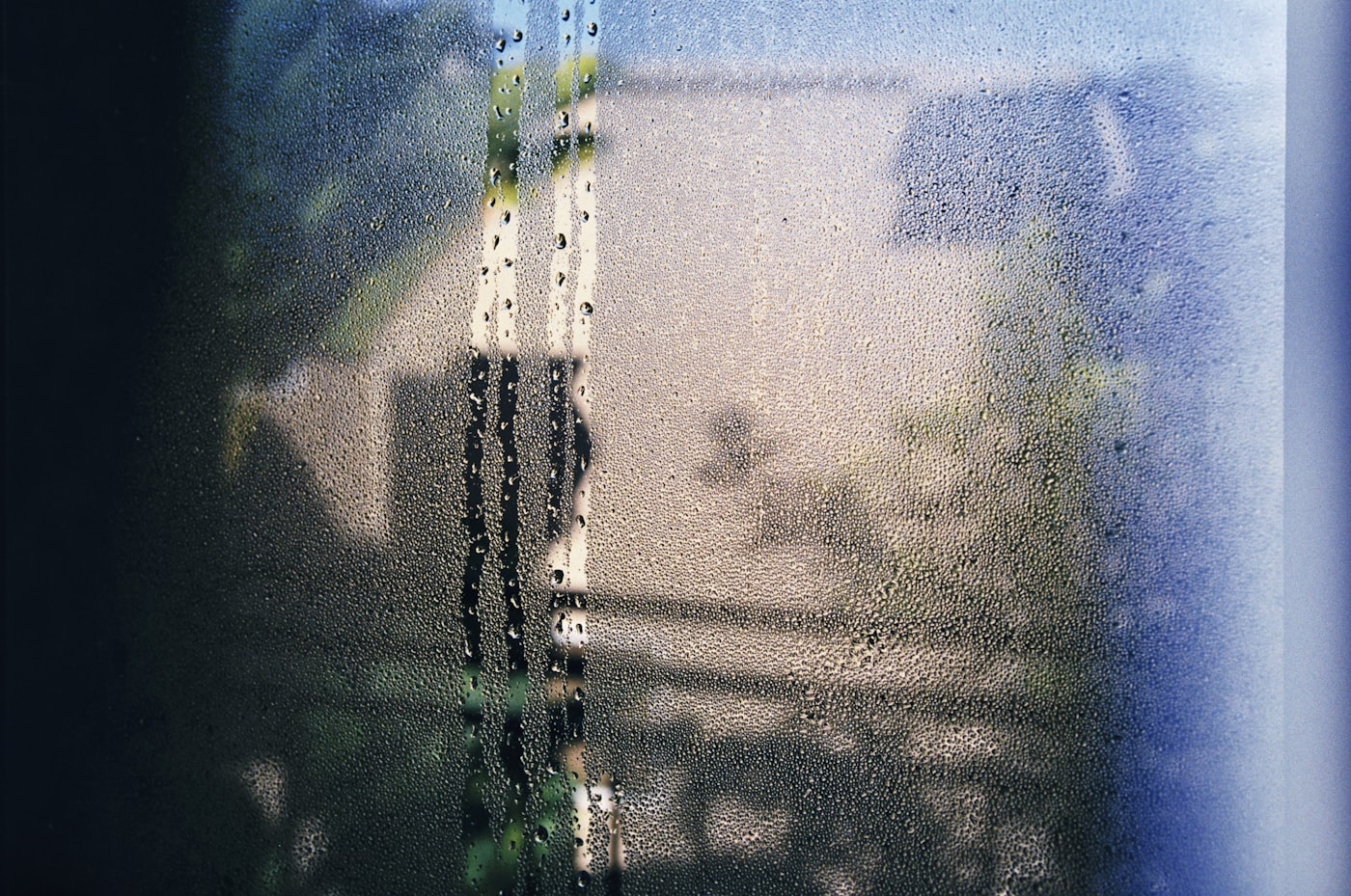
On the specimen, the climb’s condensation appears first on the heaviest parts, heatsinks, transformers, castings, whatever lags the air longest. Thin covers warm quickly, stop condensing early; a block of metal keeps making water for an hour after the lid has dried. The uneven wetting is realistic on purpose, since real products in real dawns wet exactly this way, heaviest where the thermal mass sits.
The film carries the test’s chemistry. Surface contaminants dissolve into it, flux residues, fingerprints, processing salts, turning pure condensate into a mild electrolyte parked across whatever conductors it reaches. Insulation resistance measured during this window reads its worst value of the entire test, which is why the standard’s mid-cycle measurements exist. Skipping them in favour of post-recovery readings alone misses the product at its weakest, which was the appointment the whole climb arranged.
Visual evidence belongs in the record. A photograph through the window during peak condensation documents where water gathered, the streaks below fasteners, the pooling along a bezel; the same map predicts where corrosion will sit when the long-count test ends. Shooting at the same minute of the cycle each day costs nothing extra; it gives the run a time-lapse of its own weather, evidence with a narrative built in.
Stage three: into the seams
Capillarity takes over where dew meets geometry. Water drawn into lap joints, under labels, along screw threads, along the gasket-flange line, travels by wicking into spaces air movement never reaches. Each cycle refreshes the supply at the seam’s mouth; the seam does the rest. The narrower the gap, the stronger the pull, which is why precision assemblies wick harder than crude ones, an irony the method exposes weekly.
The breathing described above is the second carrier. Pressure swings of a few percent per cycle move air through leak paths far too small for any droplet, delivering vapour to interior walls that then condense it during the night phase. Nearly-hermetic is the construction class this stage exposes, which is to say nearly every enclosure with a cable entering it. Genuinely hermetic packages shrug the breathing off; everything else negotiates with it daily, on terms the gasket designer set years earlier.
Designers reading Db results learn the route map backward: corrosion at a connector’s third pin traces to a gland, staining inside a lid traces to a vent membrane’s limit. The test’s diagnostic value lives in these traces, provided teardown happens promptly after the final cycle. A teardown protocol written before the run starts, naming who opens what, photographs what, swabs where, separates evidence from impressions.
Stage four: pooled where it cannot leave
Enclosures collect water at their low points; a product without deliberate drainage stores what each cycle delivers. A few millilitres per day, summed over 21 cycles, becomes a visible puddle in a base tray, around a grommet, inside a boot. Weighing specimens before the run gives this stage a number, since trapped water announces itself on a balance grams before any window shows it; the same balance closes the loop at teardown, where the difference names how much the enclosure kept.
The pooled phase outlasts the cycle that made it: interior water no longer evaporates with the morning climb, since the cavity’s own humidity sits at saturation, a private climate the chamber’s schedule can no longer reach. From this stage onward the product is wet continuously regardless of the chamber’s schedule, which is the tipping point long cycle counts are designed to find. Designers who provide a drain hole the size of a grain of rice routinely buy their enclosures out of this entire stage, the cheapest moisture countermeasure in the catalogue.
Stage five: what the water leaves
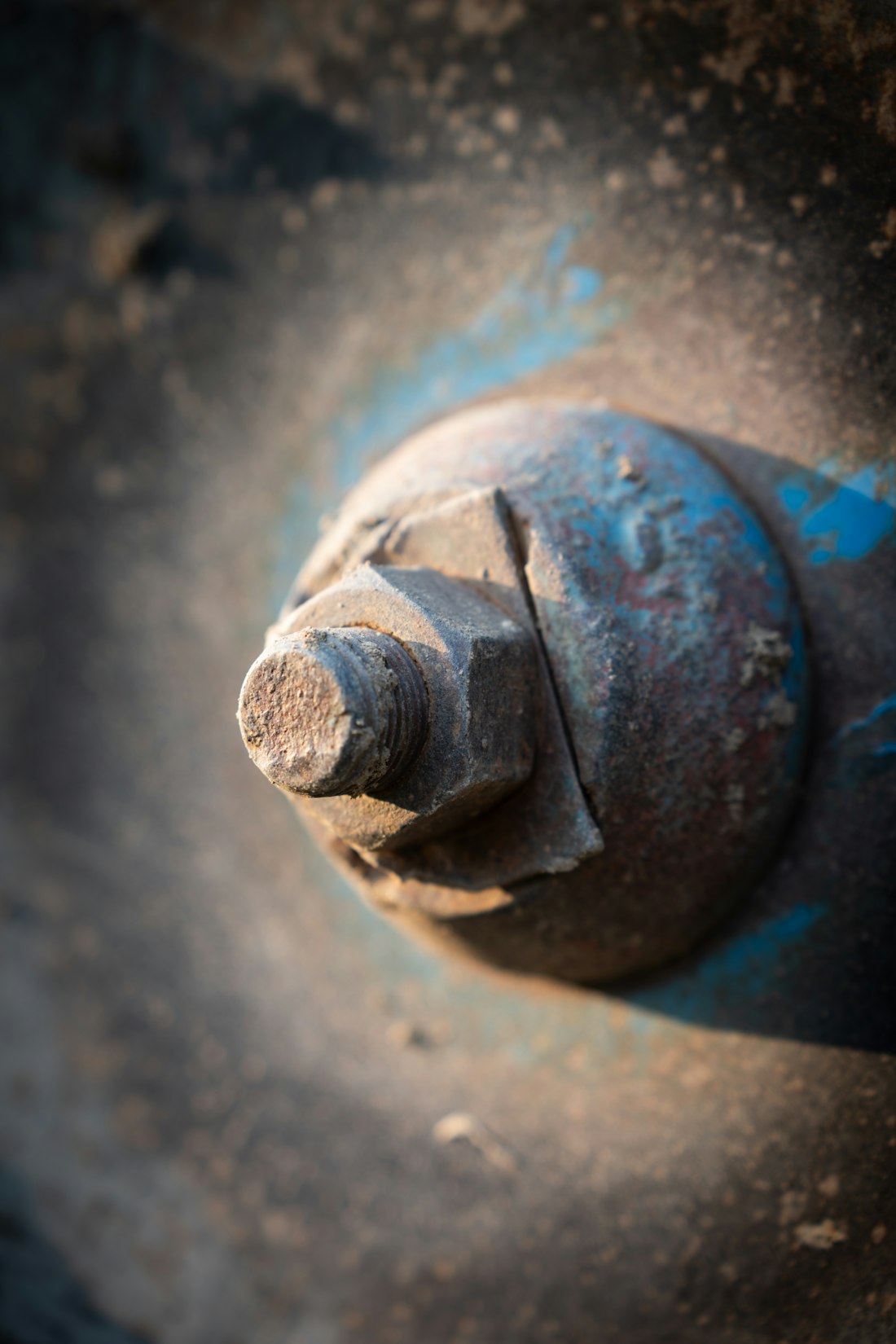
Drying ends the journey with its own damage. Dissolved salts crystallise where the last droplet sat, leaving conductive tracks across insulator surfaces; corrosion products mark every spot the film favoured; swollen materials shrink back imperfectly, opening gaps the next exposure will use.
The post-test measurements read this stage. Insulation resistance that recovers to a lower level tells a residue story; intermittent contacts point at crystallised paths under connector pressure; a musty cavity announces pooled water even where teardown finds it already evaporated. Comparing each reading against its own pre-test baseline is what turns the numbers into a narrative; a generic limit alone tells the same story for every product that ever passed through.
For long counts, the residue accumulates cycle on cycle, which is why 21 or 56 produce failures the arithmetic of two never predicts. The mechanism compounds the way interest does, a fact that deserves remembering when a specification’s cycle count looks arbitrarily long.
The method in one line
Make dew daily, breathe it inward nightly, count the days.
Variant 1, Variant 2, the descent
The standard offers two variants distinguished by how the descent is controlled. Variant 1 lets humidity ride high through a slower fall, keeping condensate present longer on the cooling specimen. Variant 2 manages the fall more tightly, holding RH inside a defined band on the way down, gentler on products that would otherwise drown.
Selection follows the product’s exposure class. Equipment for open tropical service customarily takes Variant 1’s wetter descent; gear whose real environments dry between days can justify Variant 2. Where a legacy specification stays silent on the variant, the question goes back upstream in writing before the run starts; deciding it at the controller leaves the choice in an operator’s hands with no record behind it. The specification names the variant; the report repeats it, because results between the two are not interchangeable.
For the chamber, the variants are a controls question. Variant 2’s banded descent demands cooling coordinated with dehumidification, a duet cheaper machines approximate poorly, which is a fair acceptance test: ask the maker to demonstrate the Variant 2 descent envelope before the purchase order, with the trace as the deliverable.
Choosing 40 or 55
The +40 upper rung represents the humid world’s ordinary worst: coastal industry, monsoon seasons, unconditioned warehouses, the broad geography where wet mornings are routine, genuinely hot ones occasional. It stresses products firmly while keeping material temperatures inside the comfort zone of common plastics.
The +55 rung compresses harsher service, deserts after rain, engine rooms, the hottest port cities, into the same daily shape, holding the familiar 24-hour rhythm while turning every stage of the water’s journey up a grade. Dew forms heavier on the steeper climb; drying at the plateau is fiercer; the swing between states widens. Products pass +40 routinely then surprise their teams at +55, which is the gap the severity choice is paid to explore. The surprises cluster in adhesives, membrane vents, any plastic running near its comfort ceiling, the components for which fifteen degrees is a different world.
Plumbing a chamber for Db
Water quality decides whether the test measures the product or the chamber’s minerals. Demineralised supply is the working rule, since vapour raised from hard water carries scale into the humidifier, a film of redeposited solids onto every specimen, contaminating the exact surfaces the condensation chemistry depends on.
The humidifier itself runs a marathon here: weeks of continuous duty at high output, with cleaning intervals that arrive faster than on any steady-state programme. A Db-heavy laboratory treats humidifier service as a consumable cost of the method, stocked accordingly, scheduled accordingly, with element sets, gaskets, on the shelf in the quantities the booking calendar predicts.
Condensate management closes the loop. The chamber’s own walls shed water continuously; so does the coil; drains must carry it away without ever letting the workspace’s humidity signature wobble. A drain trap that dries out, or a line that backs up, writes its signature straight into the RH trace, where an auditor will eventually ask what happened on day nine.
Sensor care is the fourth pillar. Humidity elements live their hardest life in this test, saturated for weeks, so their drift accelerates accordingly; laboratories running long counts calibrate RH channels on a tighter cycle than temperature, with a spare element on the shelf because mid-test replacement is the only alternative to scrapping weeks of run.
Power on, power off, migration
Db runs unpowered for many products, examining materials, sealing, on their own merits; the electronics stay unpowered throughout. Energised variants exist for good reason: bias across wet insulation drives electrochemical migration, dendrites growing between conductors along the condensate film, a failure class produced only when voltage meets moisture. Low-voltage logic earns no exemption; a few volts across a narrow gap supplies all the field the chemistry asks for.
The choice belongs to the specification, with the test plan recording polarity, voltage, duty through the cycles. A product that passes dry-logic Db then fails powered Db has told its designers something precise: the gap is electrochemical rather than material; the fix lives in coating or clearance, while better gaskets would change nothing.
Reading the trace like a weather chart
A healthy Db record has a recognisable face. Temperature draws a clean daily wave, plateaus flat, transitions smooth; RH rides high with a brief crest into saturation on each climb, then settles back to its 93 percent shelf. The two channels move in a fixed choreography, temperature leading, humidity answering, with the phase between them as diagnostic as either line alone. Twenty-one days of it should look like wallpaper, the same motif repeating without drift.
Deviations carry signatures a practised eye names on sight. An RH sag pinned to every climb points at a humidifier losing pace, scale on its elements or feed running thin. A plateau that wanders late in the run suggests a sensor drifting under saturation. A single day’s spike with a flat top is usually a door event wearing its timestamp. A slow staircase in the daily minimum, each night a shade warmer than the last, names a refrigeration circuit losing charge one gram at a time.
The cycle structure makes auditing kind: every day is its own control. Overlaying day two on day nineteen exposes drift no single-day inspection would catch, which is why Db laboratories review traces as stacked overlays, never as one long scroll.
The same overlay discipline feeds maintenance. The first cycle where the RH crest arrives a few minutes late is the humidifier asking for service weeks before any alarm threshold notices, intelligence available to whoever stacks the days side by side.
Choosing Db among its siblings
The damp heat family offers three doors. The steady-state method holds one hot, wet condition for days, examining endurance of materials under constant humidity. Db swings daily, manufacturing dew, driving the breathing that carries moisture inward. The composite cycle adds cold excursions below freezing to the wet rhythm for products whose climate includes frost on wet equipment.
The decision tree reads from the product’s service life. Constant tropical interiors point to the steady test; anything living through real day-night rhythms outdoors earns Db; equipment that gets wet then freezes, vehicle exteriors, high-altitude telecom, takes the composite path. Picking by habit, or by whichever chamber is free, produces certificates that answer questions nobody asked. The hour spent matching method to climate is the cheapest hour in the entire programme, spent once, saving weeks of beautifully executed irrelevance.
Db’s particular jurisdiction is enclosure honesty. Sealing claims, gasket designs, vent membranes, drain provisions: any feature whose job is keeping water out meets its real examiner in the cyclic method, because only the cycle delivers liquid water backed by the pressure swings that probe every path inward. Ingress-protection ratings tell a related story under different rules; Db tells the slower one, where the water has weeks rather than minutes to find its way.
What Db cannot tell you
The method’s jurisdiction ends at moist heat. It says nothing about ultraviolet, which bleaches, embrittles, from a different direction; nothing about salt, whose chlorides corrode by chemistry Db’s clean condensate never supplies; nothing about genuine freezing, which belongs to the composite cycle’s cold excursions. A product wearing a 56-cycle pass still owes those examiners their own appointments.
Stating the boundary protects the result. Reports that describe Db as “environmental qualification” invite readers to assume coverage the method never claimed, an inflation that surfaces during failure investigations when somebody asks which test covered the seaside sun. The report’s scope line costs one sentence; its absence costs an argument.
The eight-week booking
A 56-cycle run owns a chamber for two months, a tenancy that reshapes planning around it. The machine needs its humidifier serviced immediately before the start, water stocks confirmed for the duration, RH sensors freshly calibrated with a spare on the shelf, since a mid-run failure of any of these converts eight weeks of evidence into an anecdote.
Interim checkpoints keep the tenancy honest: a weekly trace review against the overlay, a logged exterior inspection through the window, meter readings that confirm the humidifier’s appetite has stayed constant. None of it opens the door; all of it builds the file that lets week eight stand on week one’s shoulders. The weekly review also catches the slow failures, the drifting sensor, the scaling humidifier, caught early enough to cost a service call; a restart never enters the conversation.
Pricing the tenancy follows the dry heat lesson at larger scale: the quote covers two months of machine, water, attendance, the opportunity cost of every shorter job turned away. Laboratories that learn to fill these runs with co-tested specimens, where specifications allow, turn their longest bookings from calendar burdens into their steadiest revenue.
Five ways a Db test gets failed
The first failure is dew that never formed: specimens too light to lag the climb, pre-warmed by careless staging, or a chamber whose climb outruns its humidifier. The method’s active agent never appears; the certificate then blesses an exposure that never happened. Massive dummies beside light specimens keep the dew honest; an RH trace audit of the rise confirms it did form. A laboratory can also prove the point directly: a bare aluminium block in the corner of the workspace either carries droplets at mid-climb or it does not, a witness any camera can check.
The second is the opened door. One curious mid-cycle inspection collapses the humidity column, resets the thermal lag, grants the specimen an unscheduled drying holiday; the cycle count claimed afterward is fiction. The recovery from a single opening costs hours, since the workspace must rebuild saturation while every surface inside restarts its thermal history. Windows, cameras, logged restraint: all three exist precisely for this temptation.
The third is hard water, redepositing minerals onto specimens until the corrosion chemistry under examination belongs to the supply line; the product contributed nothing. The white film is diagnostic; by the time it is visible the run is already compromised.
The fourth is variant confusion: a Variant 1 result reported against a Variant 2 requirement, descent profiles never compared until a customer’s quality engineer overlays the traces. The variant belongs on the first page of the plan, of the chamber programme, of the report alike.
The fifth is the late teardown. Two weeks from final cycle to inspection lets pooled water evaporate, residues fade, intermittents heal, erasing the evidence the weeks of cycling worked to produce. Db teardown is scheduled with the test, never after it.
Reading the clause into a purchase
A chamber bought for Db work answers four lines. Humidity authority through the climb: the machine holds 93 percent while rising at the standard’s rate, demonstrated loaded, with the trace offered in acceptance, since the climb is where cheaper humidification architectures fall behind, where this method does its work. Variant 2 capability if the laboratory will ever sell it, proven the same way.
Water systems sized for the method: demineralised feed, humidifier service access, condensate drainage engineered as seriously as the refrigeration. Cycle endurance as a stated duty, weeks of continuous saturated operation between services, in writing, with the humidifier’s service interval quoted at this saturated duty; a brochure’s interval assumes a gentler life than any Db calendar delivers.
Instrumentation provision completes the sheet, RH channels calibrated on the tight cycle the method demands, specimen probes enough to witness the lag that makes the dew, the window every Db laboratory ends up wishing it had specified larger, since the method’s evidence is half visual; the door must stay shut for weeks.
Water, accounted for
A compliant Db test is a supervised journey: water raised into warm air, condensed onto a lagging product, wicked into seams, breathed into cavities, pooled, dried, then read in the residues it left. The chamber that runs it well is a precision rainmaker with a calendar; the standard, followed stage by stage, is the itinerary. Products that survive the journey have earned a specific claim, life under wet daily rhythms, a claim no steady soak of any length can award. Specifiers who understand exactly what was earned, designers who read the residue maps, laboratories that kept the dew honest: the method repays each of them in the only currency testing has, which is confidence with evidence behind it.
Questions laboratories ask about cyclic damp heat
What conditions does Test Db run in practice?
A 24-hour cycle from +25 up to an upper plateau of +40 or +55 degrees, with relative humidity near 93 percent on the plateaus, touching saturation during the climb, repeated for a declared count commonly chosen from 1, 2, 6, 12, 21 or 56 cycles. Two variants govern the descent’s humidity control. The pairing of upper temperature, variant, count comes from the product specification; the chamber’s task is to reproduce the daily shape identically, week after week.
How is Db different from steady-state damp heat?
The steady method holds one hot, humid condition, examining endurance; Db swings daily so that condensation forms on the specimen, so that pressure breathing carries moisture into cavities. Liquid water, on the product, inside it, is Db’s active agent, absent by design from the steady test. Products facing real day-night rhythms outdoors, or any sealed enclosure whose failure mode involves ingress, need the cyclic method; the steady one cannot produce those failures at any duration.
Why does condensation form during the temperature rise?
Because the air warms faster than the product. The specimen’s mass holds it near the cool overnight temperature while nearly saturated air climbs around it, so surfaces sit below the air’s dew point; water condenses directly onto them. The standard prescribes the climb rate to make this mismatch dependable. Massive parts condense longest, light covers driest, which is also why ultra-light specimens may need thermal company in the workspace for the dew to appear at all.
What separates Variant 1 from Variant 2?
They control the descent differently. Variant 1 lets humidity remain high as temperature falls, keeping the specimen wet longer through each night phase; Variant 2 holds the falling humidity inside a defined band, a managed, somewhat gentler return. Results are not interchangeable, so the variant is named in the specification, programmed explicitly, stated in the report. Variant 2’s controlled descent is also the harder duty for the chamber, best demonstrated before purchase.
How many cycles should a product specification choose?
Counts map to exposure class: one or two cycles screen transport with brief outdoor exposure, six or twelve cover seasonal service, 21 or 56 model sustained tropical duty. The damage compounds in place of adding: residues accumulate cycle on cycle; ingress deepens; long counts find failures short ones never hint at. The honest choice reads the product’s service climate first, borrowing the nearest customary count afterward, resisting heroic over-testing alongside optimistic under-testing.
What water should feed a damp heat chamber?
Demineralised or similarly purified supply, treated as part of the test’s chemistry. Hard water scales the humidifier, shortens its service intervals, deposits a mineral film on specimens that contaminates the condensate the method depends on, shifting corrosion results toward the supply line’s chemistry. The water specification belongs in the laboratory’s procedure with the same standing as the temperature tolerances; a maintenance schedule in the same procedure treats humidifier cleaning as a consumable of the method.