Condensation Control In Damp Heat Cyclic Test Chambers
In a damp heat cyclic test, condensation is not a fault to be avoided. It is the thing the test is asking for, on a schedule, in the right place, at the right minute.
A damp heat cyclic test sets out to wet the specimen on purpose. The standard calls for dew to form on the surface, the way it forms on a cold bottle carried into a warm humid kitchen, because that running film of water is what drives corrosion into metal. The same film carries leakage across insulation. It swells polymers from within. The skill the chamber has to show is not keeping the specimen dry. It is deciding the minute the specimen gets wet, then the minute it goes dry again, by a margin of a degree or two. That control rests on one fact of timing. During a temperature rise the air heats fast where the heavy specimen lags behind, so the specimen surface becomes the coldest thing in the chamber, the place where water condenses first.
Condensation is the point, not the accident
Most environmental tests treat water on the specimen as a problem to be kept away. The damp heat cyclic test, written as Test Db in IEC 60068-2-30, treats it as the mechanism under examination. The cycle runs twelve hours up into high humidity at raised temperature, twelve hours back down, repeated across several days. The express aim is to produce condensation on the surface of the specimen during part of each cycle. The wetting simulates the daily swing a product meets in tropical service, the swing where night cooling chills a surface that morning warmth then bathes in humid air, leaving it running with dew.
That changes the chamber’s job from prevention to scheduling. A chamber that held high humidity without ever condensing would fail to apply the stress the standard calls for. A chamber that let water sheet over the specimen at every moment would flood the test, washing away the controlled exposure the method depends on. The correct behaviour sits between those two failures. The specimen stays dry through the parts of the cycle that ask for near-saturation without dew. It wets through the parts that ask for condensation. The transition between the two falls to the controller. Chance plays no part in it.
This framing matters because it reorders what counts as success. A laboratory new to damp heat work often reads a flooded specimen as proof the chamber is humid enough, when a flood is a control failure dressed as severity. A surface that never beads is read as a clean run, when a dry condensation phase means the corrosion mechanism was never exercised at all. The right result looks modest from across the room: a thin film that appears on schedule, sits for its defined hours, then clears. Recognising that modest picture as the target is the first step in judging whether a chamber controls condensation or merely makes humidity.
The shape of the cycle, twelve hours up, twelve hours down, is not arbitrary. It mirrors a calendar day compressed into the profile: a long warm humid afternoon, a long cool night, the two meeting at the dew-laden edges of dawn. Equipment bound for tropical or marine service meets that swing every day of its working life, so the standard repeats the cycle across enough days to age the specimen through many wettings, each dew event adding to the corrosion the one before it began. The repetition carries the point as much as the wetting does. A single dew does little. A season of daily dew opens a seam.
Different materials answer the same dew differently, which is why the test matters across a full bill of materials. A bare metal face rusts where the film sits. A conformal-coated board may shed the surface water, only to admit it at a single pinhole, the dew finding the one flaw the coating left behind. A hygroscopic polymer takes the water into its bulk, swelling, softening over repeated cycles until a press-fit loosens. The one controlled film exposes each of these failures on its own timescale, the reason the standard runs across days, not hours.
The physics engine: thermal mass lag
Condensation on a specimen during a temperature rise comes from one mismatch: how fast the air changes temperature against how fast the specimen does. Air has almost no thermal mass, so when the chamber heaters fire, the air temperature climbs within minutes. A specimen built from metal, potting compound, a circuit board, a casing carries far more thermal mass, so its temperature climbs slowly, its core dragging its surface behind the air by a margin that can reach several degrees through a fast rise. For the length of that lag the specimen surface is colder than the air around it. Water condenses whenever a surface sits at or below the dew point of the surrounding air, so a cold specimen surface bathed in warm humid air becomes the exact place where the air gives up its water. The dew point at 95 percent relative humidity sits only a fraction of a degree below the air temperature, which means even a small lag is enough to push the specimen surface under that line. This is the engine the entire test runs on. It is also the engine the chamber has to control, because the same lag that produces deliberate dew in the condensation phase will produce unwanted dew during the rise if the controller does nothing to stop it. The heavier the specimen, the longer the lag, the stronger the pull toward early condensation. A controller blind to this timing lets the chamber wet the specimen the moment the rise begins, scattering the stress across the wrong minutes. A controller that reads it holds the air’s dew point just under the moving specimen surface temperature, holding the air near saturation as it denies the air the cold target it needs, until the schedule calls for wetting. The control problem, put plainly, is a race between two temperatures. The chamber wins it by watching the slower one.
The forbidden zone during the rise
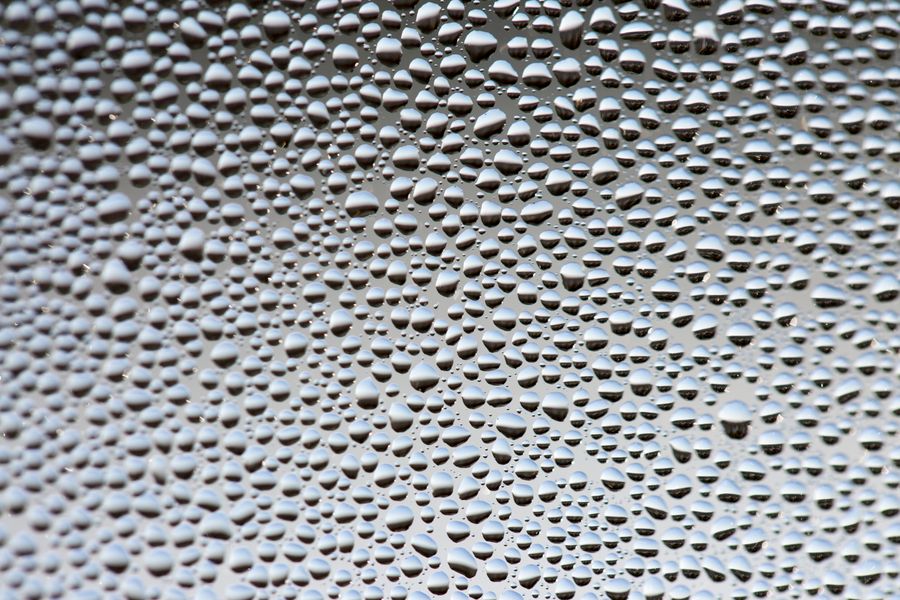
The rise from the low plateau to the high one is the most delicate part of the cycle. The standard calls for the relative humidity to stay above 95 percent through this rise, typically as the temperature climbs from around 25 degrees to around 55 degrees over a span of about three hours. Near-saturation is mandatory. Bulk condensation during the rise is generally not wanted, since the dew is reserved for a later, defined part of the cycle. The chamber therefore has to hold the air a hair below the line where water would condense on the cold specimen, holding short of it through every minute of the rise.
The tool for this is direct dew-point management. The controller computes the dew point of the chamber air continuously from the measured humidity at the known dry-bulb temperature. It then steers the humidity output so the air’s dew point tracks just under the current specimen surface temperature. The gap stays small, a fraction of a degree, enough to keep condensation off the specimen where the air still holds the high humidity the test demands. Open the gap too far, the humidity drops below the required 95 percent. Close it, the specimen wets ahead of schedule. The rise becomes a balancing act along a knife edge that moves upward as the specimen warms.
Estimating the specimen surface temperature is the hard half of this. A chamber reads its air conditions directly. The specimen surface it must infer, from the air history, from the known thermal behaviour of the load, at best from a sensor bonded to a representative part. The better that estimate, the tighter the controller rides the edge without crossing it. A chamber running an unfamiliar heavy load on its first cycle carries the highest risk of an early, unplanned wetting before its control settles into the load.
A worked example of the margin
A short calculation shows how fine the edge really is. Take the rise at the moment the air has reached 40 degrees, still climbing toward 55, with the humidity held at the required 95 percent. The dew point of 40-degree air at 95 percent relative humidity sits near 39 degrees, roughly one degree under the dry bulb. The specimen, lagging by two or three degrees through a brisk rise, sits near 37 degrees at the same moment. Its surface is therefore already a degree or two below the 39-degree dew point, so left alone it would condense right there on the rise.
To keep it dry the controller has to pull the air dew point below 37 degrees, which at 40-degree air means dropping the relative humidity to around 90 percent for that instant, then lifting it again once the lag closes, the specimen catching up. The target moves every minute of the three-hour rise, the dew point chased downward when the lag widens, then let back up as it shrinks. This is the reason condensation control can never be a fixed humidity setpoint. A single number that held the rise dry at 40 degrees would either condense the specimen at 50 or drop the humidity below the 95 percent the standard demands. Only a dew point steered against a live specimen temperature holds both conditions at once.
The deliberate condensation phase
Once the schedule calls for dew, the controller stops defending the specimen. It turns to soaking the specimen. The standard places the wetting in defined parts of the cycle, the latter part of the high-temperature dwell in some variants, the cooling leg in others, where the specimen surface is meant to fall below the air dew point so a film of water collects. The chamber produces this with the same lever it used to prevent dew, run the other way. It lets the air dew point climb above the specimen surface temperature. Condensation begins.
The cooling leg is the natural home for wetting, because cooling reverses the lag. When the chamber air cools at the end of a cycle, the air drops fast where the heavy specimen holds its warmth, so for a while the specimen runs warmer than the air. That alone would not condense water on it. The condensation on cooling comes by a different route. The air, sinking toward its own dew point, reaches saturation. As the entire chamber descends, the surfaces that lag, the specimen among them, end up below the dew point of the still-humid air, collecting dew. The standard’s profile is shaped so this wetting lands where the method intends.
The amount of water matters as much as the timing. A controlled condensation phase lays down a thin, even film across the specimen, the film the corrosion mechanism needs to run. A chamber that overshoots floods the specimen. It drives water into joints and cavities a real daily dew would never reach. It turns a standard exposure into an immersion the product was never specified against. Controlling the wetting means governing when it starts, governing how heavy it grows.
How long the film persists belongs to the specification too. The standard fixes the hours of wetting, so the chamber has to hold the specimen below the dew point for exactly that defined span. Clearing the film at the end weighs as much as forming it. The chamber lifts the specimen surface back above the dew point, or lowers the air dew point, so the water evaporates on cue, leaving the next dry phase to start clean. A film left standing into the dry phase carries the wetting stress into hours the standard meant to keep dry, silently lengthening the exposure past what the product was rated against.
The method in one line
The specimen wets when its surface falls below the air’s dew point, so the test reduces to a contest of which temperature you control more tightly.
Choosing between the two variants
IEC 60068-2-30 offers the test in more than one variant. The difference between them is mostly a difference in condensation. One variant calls for condensation during the temperature rise on top of the dwell, applying the most aggressive wetting the method allows. Another holds the rise free of bulk condensation, restricting dew to the defined later phase, a milder exposure. The product specification picks between them, matching the test to the severity the equipment will actually meet in service.
The choice has real consequences for the hardware. A variant that demands condensation on the rise asks the chamber to cross the dew line deliberately, early, then to manage the heavy wetting that follows through the rest of the cycle. A variant that keeps the rise dry asks for the knife-edge control described above, holding near-saturation without crossing into dew. A chamber tuned for one does not automatically do the other well, so the variant has to be set before the test, fixed in the program, confirmed against the specification before the run.
Reading the specification correctly is part of the test engineer’s job here. A product called out against the rise-condensation variant, then tested under the milder one, receives less stress than its specification requires, a silent under-test that passes parts that should have failed. The reverse over-stresses good product. The variant is a small line in the standard with a large effect on the result, so it deserves a direct check before the chamber starts.
Loading the specimen, preheating it first
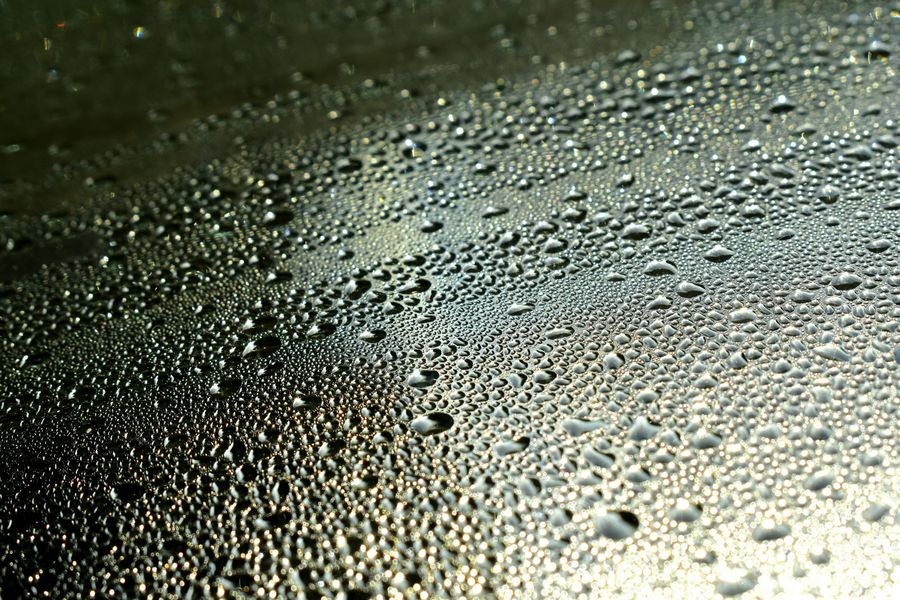
How the specimen enters the chamber decides the first cycle. A specimen brought in cold from a cool laboratory, then placed into a chamber already warm, already humid, condenses water on itself the instant the door closes, an uncontrolled wetting with nothing to do with the test profile. The standard guards against this by calling for the specimen to start from a condition matched to the chamber, so the deliberate cycle applies the first dew, the loading kept clear of it.
Preheating is the usual remedy. Where a specimen would otherwise enter much colder than the chamber, it is brought up toward the chamber temperature first, in still air, so its surface is no cold trap when it meets the humidity. The aim is to erase the loading lag, to let the test begin with the specimen close enough to the air that the controller governs when condensation starts, the handling left out of it.
Specimen layout matters too. Pieces stacked tight, or pressed against chamber walls, shift their own thermal lag, so they shift their own dew timing, wetting on a schedule apart from the loosely spaced parts beside them. Even spacing, clear airflow around each piece, a mounting that adds no cold bridge: these keep the load condensing together, free of scattered pockets. A well-loaded chamber wets its specimens as one population, on the profile the standard drew.
What the controller is doing, minute by minute
Through a single cycle the controller plays both roles in turn. On the rise it defends, computing the air dew point, comparing it against the estimated specimen surface temperature, trimming the humidity to hold the gap that keeps the surface dry where the air stays above 95 percent. The work runs continuous, the target moving upward as the specimen warms, the margin narrow throughout.
At the dwell, then into the cooling leg, it switches to wetting, letting the dew point cross the specimen surface so the film forms where the variant places it. Here the control turns on restraint, laying down enough water for the mechanism without flooding the load. The transition from defending to wetting is the moment that has to land on time. An early switch wets the rise that should be dry. A late switch starves the condensation phase that should be wet.
None of this works without good measurement underneath it. The entire scheme rests on knowing the air’s humidity accurately at a known temperature, enough to compute a dew point to a fraction of a degree, then on estimating the specimen surface well enough to ride that close to it. A chamber with a drifting humidity sensor cannot control condensation, because it cannot find the line it is supposed to ride. Condensation control is dew-point control. Dew-point control is measurement first.
Where the chamber reads its air decides how well it schedules. The dew-point figure is only as representative as the sensor’s position, so a probe sitting in a dead corner reports a humidity the specimen never feels. The reading should come from the moving air close to the specimen, in the return stream that has just washed over the load, so the dew point the controller defends is the dew point at the specimen’s own face. A chamber reading near the steam inlet sees a humidity higher than the workspace, so it schedules its wetting against a number the specimen never meets, condensing early or late by the size of that error.
Five ways condensation control goes wrong
The first failure is early wetting on the rise. The controller holds the gap too small, the specimen crosses the dew point before the schedule asks, so the test applies dew in the wrong phase. A wider, better-estimated margin on the rise is the fix.
The second failure is a dry condensation phase. The controller never lets the dew point cross the specimen surface, so the wetting the standard calls for never lands. The corrosion mechanism then goes unexercised. The specimen surface estimate is usually the culprit, reading the surface colder than it truly sits.
The third failure is flooding. The wetting phase overshoots, water sheets into every joint and cavity, so a controlled film becomes an immersion. Limiting how far the dew point climbs above the surface during the wetting phase keeps the film thin.
The fourth failure is loading dew. A cold specimen meets warm humid air at the door, wetting before the program even starts. Preheating to a matched condition removes it.
The fifth failure is an uneven load. Tightly packed specimens, or specimens bridged to a wall, condense on scattered schedules, some early, some late, so the population no longer shares one exposure. Even spacing, with clear airflow, brings them back onto one profile.
Proving the condensation happened
Showing that the dew landed where it should is the close of the method. A humidity trace on its own cannot prove condensation, since the air can read 95 percent through both phases, the dry rise then the wet dwell. The proof comes from the specimen surface temperature logged against the air dew point. Wherever the surface trace dips below the dew-point trace, the specimen was wet, so the overlap of those two curves becomes the condensation record for the run.
This is why a serious damp heat cyclic run instruments the specimen, beyond the air alone. A thermocouple bonded to a representative face gives the surface temperature directly, removing the estimate the controller had to make, replacing it with a measurement an auditor can read. A laboratory that logs both traces can point to the exact minutes of wetting in every cycle. One that logs air humidity by itself can only assert that dew probably formed, an assertion that fails the moment a result is questioned.
The bonded thermocouple proves its worth in a second way. Its trace shows the lag directly, the gap between air temperature and specimen surface widening on every rise, closing on every soak. A laboratory that watches that gap learns the thermal personality of its load, the figure it needs to tune the margin for the next batch of the same product. The first cycle teaches the chamber the load. Every cycle after it runs on what the first one measured.
Reading condensation into a chamber spec
A chamber bought for damp heat cyclic work has to be judged on its dew-point control, not its humidity range alone. The question is whether it computes dew point in real time, then steers to it, because that is the only way to ride the line between near-saturation above, condensation below, through a rise. A chamber that controls only relative humidity, with no dew-point logic, will struggle to keep the rise dry at 95 percent without straying across the line.
Specimen-temperature awareness is the next question. A chamber that can take a sensor bonded to a representative specimen, then fold that reading into its control, rides the moving edge far more tightly than one working from air conditions alone. For a heavy load, or a thermally slow one, that input is the difference between clean scheduling, on one hand, accidental early dew on the other.
The variant support closes the list. A chamber for this test should run the condensation-on-rise variant as readily as the milder dwell-only one, switchable in the program, so the specification drives the exposure. A maker who can describe how the chamber schedules condensation, how it estimates the specimen, how it prevents loading dew, has engineered for the method. A maker quoting a humidity range beside a temperature range has described a plain cabinet, well below a damp heat cyclic chamber.
The test that wets on purpose
Condensation control in a damp heat cyclic chamber is the discipline of wetting a specimen exactly when the standard says, then keeping it dry the rest of the time, across a cycle where the specimen’s own thermal lag keeps dragging its surface below the dew point ahead of schedule. The chamber wins by watching two temperatures, the fast air against the slow specimen, holding the air’s dew point on the correct side of the specimen surface minute by minute, a fraction of a degree below it on the dry rise, a fraction above it in the wetting phase. Get that timing right, the test applies the daily dew of tropical service in a repeatable, defined way. Get it wrong, the specimen is either flooded or never wetted, so the result, whichever way it lands, describes the chamber’s control, leaving the product’s durability unmeasured.
Questions laboratories ask about condensation in damp heat cyclic tests
Why does the damp heat cyclic test want condensation at all?
Because the running film of water is the stress mechanism. Dew on a surface corrodes metal. It carries leakage across insulation. It swells polymers the way daily tropical dew does in real service. Test Db in IEC 60068-2-30 reproduces that wetting on a schedule, twelve hours up into high humidity, twelve hours back down, repeated across several days, with condensation on the specimen as the intended exposure the method is built around.
What makes water condense on the specimen during a temperature rise?
Thermal mass lag. When the heaters fire, the air warms within minutes where the heavier specimen warms slowly, so the specimen surface stays colder than the air for a while. Water condenses on any surface at or below the air’s dew point. At 95 percent relative humidity that dew point sits only a fraction of a degree under the air temperature, so even a small lag pushes the cold specimen surface below the line, starting condensation.
How does a chamber keep the rise near-saturation without condensing?
By direct dew-point control. The controller computes the air dew point continuously from the measured humidity at a known temperature, then steers the humidity so the dew point sits just under the estimated specimen surface temperature, a fraction of a degree below it. That keeps the air above the required 95 percent where it still lacks the cold target it needs to condense, until the schedule calls for wetting.
How do the variants of IEC 60068-2-30 differ?
The variants differ mainly in condensation. One calls for dew during the temperature rise on top of the dwell, the most aggressive wetting. Another keeps the rise free of bulk condensation, restricting dew to a defined later phase, a milder exposure. The product specification sets the variant, so it has to be fixed, then confirmed, before the test, because running the wrong one either under-stresses or over-stresses the product.
Why does a cold specimen need preheating before loading?
Because a specimen brought in colder than a warm, humid chamber condenses water on itself the moment the door closes, an uncontrolled wetting unrelated to the test profile. Bringing the specimen up toward the chamber temperature first, in still air, erases that loading lag, so the deliberate cycle applies the first dew, leaving the handling out of it.
What should a buyer check on a damp heat cyclic chamber?
Real-time dew-point control, going past humidity control alone; the ability to fold in a specimen-bonded temperature sensor for tight edge-riding on heavy loads; support for the rise-condensation variant alongside the dwell-only one, switchable in the program. A maker who can describe how the chamber schedules condensation, how it prevents loading dew, has engineered for the method. One quoting only humidity ranges, temperature ranges, has described a plain cabinet.