What to verify before signing a copier service agreement
The service agreement defines what happens when the chassis breaks, when the toner runs out, and when the office needs help. The verification work before signing prevents the most common service-related disappointments after the chassis is in place.

Why service agreements deserve more scrutiny than buyers typically give them
The service agreement runs in the background of most copier purchase decisions. The chassis selection consumes the buyer's attention, the contract negotiation absorbs the legal review time, and the service agreement often gets accepted as standard boilerplate without detailed review. The pattern produces consistent disappointment because the service agreement defines the daily operational relationship that the office experiences across the chassis service life.
The service agreement matters because chassis failures, consumable shortages, and operational issues happen on the dealer's terms when the office accepts the standard agreement. The dealer responds within their committed timeframe, supplies consumables on their schedule, and resolves issues through their procedures. The office experiences the service quality the agreement defines rather than the service quality the dealer's marketing implied during the sales conversation.


The verification work runs through eight categories that together define the actual service relationship. Each category deserves review and often deserves negotiation before signing. The work takes 90 to 120 minutes and prevents the most common service-related dissatisfaction that office managers report years into a chassis relationship.
Response time commitments and what they actually cover
The first verification covers response time commitments. The agreement should specify the time from service call submission to technician arrival on site for chassis issues. Standard commitments range from 4-hour same-day to next-business-day to 48-hour response depending on the dealer and the service level. The buyer should confirm which commitment applies and whether the commitment varies by issue type.
The verification should distinguish response time from resolution time. Response time covers when the technician arrives. Resolution time covers when the chassis returns to operation. A dealer may commit to 4-hour response without committing to same-day resolution, which means a chassis issue may have a technician arrive quickly but require parts ordering that extends resolution to multiple days. The buyer should understand both metrics and the realistic expectations for each.
The verification should also cover the operating hours for response commitments. Standard commitments typically apply during business hours of Monday through Friday from 9 AM to 6 PM Spanish time. Issues outside these hours fall under different commitments or may not have response coverage at all. An office operating extended hours or weekend hours needs commitments that match the actual operating profile, and the agreement should document the coverage hours rather than relying on assumed standard hours.

Parts coverage and the boundary with consumables
The second verification covers parts coverage. The agreement should specify which components the service includes and which components fall to the office's separate consumable purchases. The boundary varies significantly across agreements. A comprehensive agreement covers all imaging components including drum, fuser, transfer belt, and developer plus all wear components. A basic agreement covers only labor with all parts charged separately.
The verification should identify which boundary applies and the cost implications across the chassis service life. A comprehensive agreement at higher monthly cost may produce lower total cost than a basic agreement at lower monthly cost once the parts purchases accumulate across years. The buyer should calculate the projected total under both structures using the chassis expected consumable replacement schedule, which the manufacturer documents in the chassis service manual.
The verification should also clarify which third-party consumables the agreement permits. Some agreements restrict the office to manufacturer-supplied consumables only, which prevents the office from sourcing compatible toner from third parties at lower cost. The restriction often appears in fine print and may not be obvious during initial review. A note on how third-party consumables affect warranty covers the implications of mixed consumable sourcing.
Preventive maintenance schedule and execution
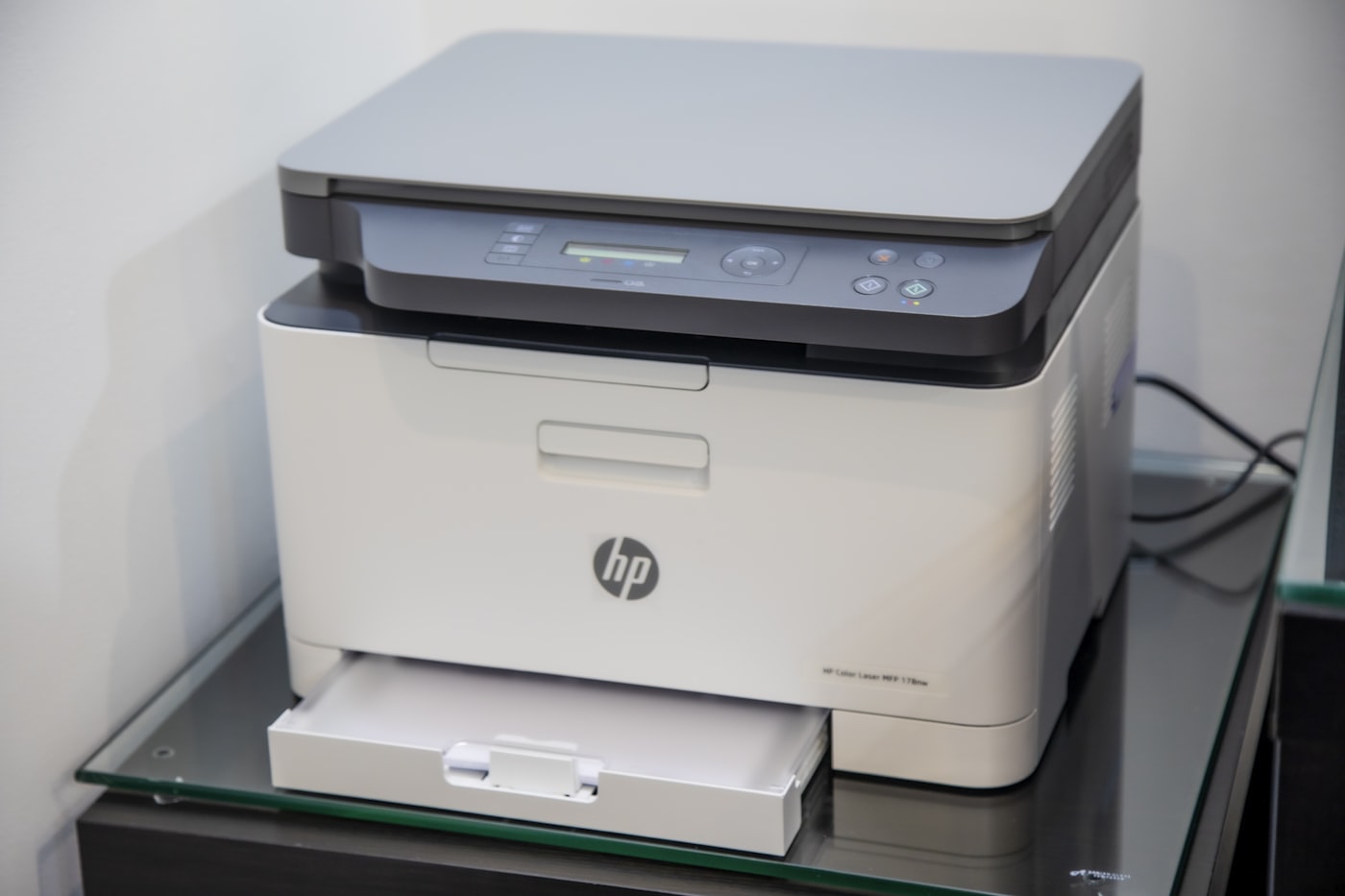


The third verification covers preventive maintenance. The agreement should specify the maintenance schedule, the activities included in each visit, and the procedure for scheduling visits. Standard maintenance occurs at intervals tied to chassis meter readings, typically every 50,000 to 200,000 pages depending on the chassis bracket. The visits include cleaning, inspection, and replacement of components that the manufacturer specifies for routine maintenance.
The verification should confirm that preventive maintenance is included rather than offered as a separate service at additional cost. Some agreements cover only reactive service for issues that arise and treat preventive maintenance as an upgrade. The distinction matters because skipped preventive maintenance shortens chassis life and increases the frequency of reactive service issues across years.
The verification should also identify who initiates the preventive maintenance scheduling. Some agreements rely on the office to request maintenance, which produces inconsistent maintenance because office managers often forget the schedule until an issue arises. Other agreements have the dealer monitor chassis meters and proactively schedule maintenance, which delivers more consistent execution. The proactive structure protects the chassis life better and is preferable when available.
Consumable supply arrangements and timing
The fourth verification covers the consumable supply arrangement. The agreement should specify how toner and other consumables reach the office, who pays for shipping, and the typical lead time from order to delivery. Standard arrangements include automatic shipment when the chassis reports low toner levels, dealer-managed inventory at the office site, or office-initiated orders through the dealer's portal.
The verification should confirm the lead time for typical consumable orders. Same-day or next-business-day delivery serves offices that produce consistent volume and need supply continuity. Three to seven-day lead times require the office to maintain a buffer inventory of consumables to prevent operational interruption. The buyer should understand the lead time and plan the office's consumable inventory accordingly.
The verification should also clarify the consumable return procedure for damaged shipments and the procedure for emergency consumable requests when the office runs out unexpectedly. The return procedure protects the office against damaged shipments that arrive unusable. The emergency procedure provides a path for unexpected supply gaps that the standard schedule does not anticipate. Both procedures should appear in the agreement rather than rely on dealer goodwill at the moment the office needs them.
The remote support and remote monitoring scope
The fifth verification covers the remote support arrangement. The agreement should specify whether the dealer can connect to the chassis remotely for diagnostic and configuration work, the security boundaries on remote access, and the customer notification when remote sessions occur. Most modern chassis support remote dealer access, which enables faster diagnosis and resolution of issues without on-site visits.
The remote monitoring scope covers the dealer's automatic monitoring of chassis health metrics. Monitoring data includes meter readings, error logs, consumable levels, and component health indicators. The data flows to the dealer's monitoring center where it triggers proactive interventions including consumable shipments, maintenance scheduling, and potential issue identification before failures occur. The monitoring scope should be documented in the agreement so the office understands what data the dealer collects and how the data supports service.
The verification should address data privacy in the remote monitoring arrangement. The chassis processes office documents during normal operation, and the monitoring data should not include document content. The agreement should specify the boundary between operational metrics that flow to the dealer and document content that remains within the office. Compliance-conscious offices need this boundary documented for their own regulatory requirements.
The escalation path for unresolved issues
The sixth verification covers the escalation path for service issues that the standard service relationship does not resolve. The agreement should specify how the office reports unsatisfactory service, the timeframes for escalation review, and the resolution authority within the dealer organization. Standard escalation paths run from the assigned technician to the service manager to the dealer's general manager.
The verification should confirm that the escalation path is real rather than theoretical. The agreement should provide specific contact names or roles, contact methods including phone and email, and committed response timeframes for escalated issues. A path without specific contacts or timeframes is decorative rather than functional, and the buyer who needs the escalation path discovers the gap when actually trying to use it.
The verification should also address the service credit or fee adjustment procedure for sustained service quality issues. The agreement should specify the conditions under which service credits apply, the calculation method for credit amounts, and the procedure for receiving credits. Credits should be automatic rather than requiring office advocacy, which keeps the dealer accountable rather than placing the burden on the office to identify and request adjustments.
The verification checklist at a glance
| Verification | What to check |
|---|---|
| Response times | Time and operating hours coverage |
| Resolution times | Distinct from response times |
| Parts coverage | Comprehensive vs basic boundaries |
| Third-party consumables | Permitted or restricted |
| Preventive maintenance | Included or separate cost |
| Maintenance scheduling | Proactive or office-initiated |
| Consumable lead times | Standard delivery timeframes |
| Emergency consumable supply | Documented procedure |
| Remote access scope | Boundaries and notification |
| Remote monitoring | Data collected and privacy boundaries |
| Escalation path | Specific contacts and timeframes |
| Service credits | Conditions and procedure |
The checklist runs through twelve verification points that together define the operational service relationship. A service agreement that addresses each point with specific terms protects the office across the chassis life. An agreement that handles points with general references or omits them entirely produces ongoing friction and disappointment that the office experiences repeatedly across years.