How to inspect a used photocopier before purchasing
A thirty-minute inspection at the dealer's facility reveals the chassis condition more accurately than the seller's description. The inspection follows a defined sequence that uncovers hidden issues before the chassis becomes the buyer's problem.

Why the inspection has to happen at the dealer
The temptation when buying a used photocopier is to commit based on the dealer's description, photographs, and verbal assurances. The temptation produces most of the buyer regret in the used market because the seller's description always reflects the seller's perspective and the chassis condition includes details that only physical inspection reveals. The thirty-minute inspection at the dealer's facility delivers more useful information than days of phone conversation, and the time investment prevents the most expensive surprises after acquisition.
The inspection should happen with the chassis powered on and operational. A chassis sitting in storage with the cover closed reveals nothing about its actual condition. The buyer should request a working demonstration that includes printing test pages, running scan operations, exercising the document feeder, and operating any finishing modules attached to the unit. The chassis behavior during these operations reveals issues that static inspection misses.
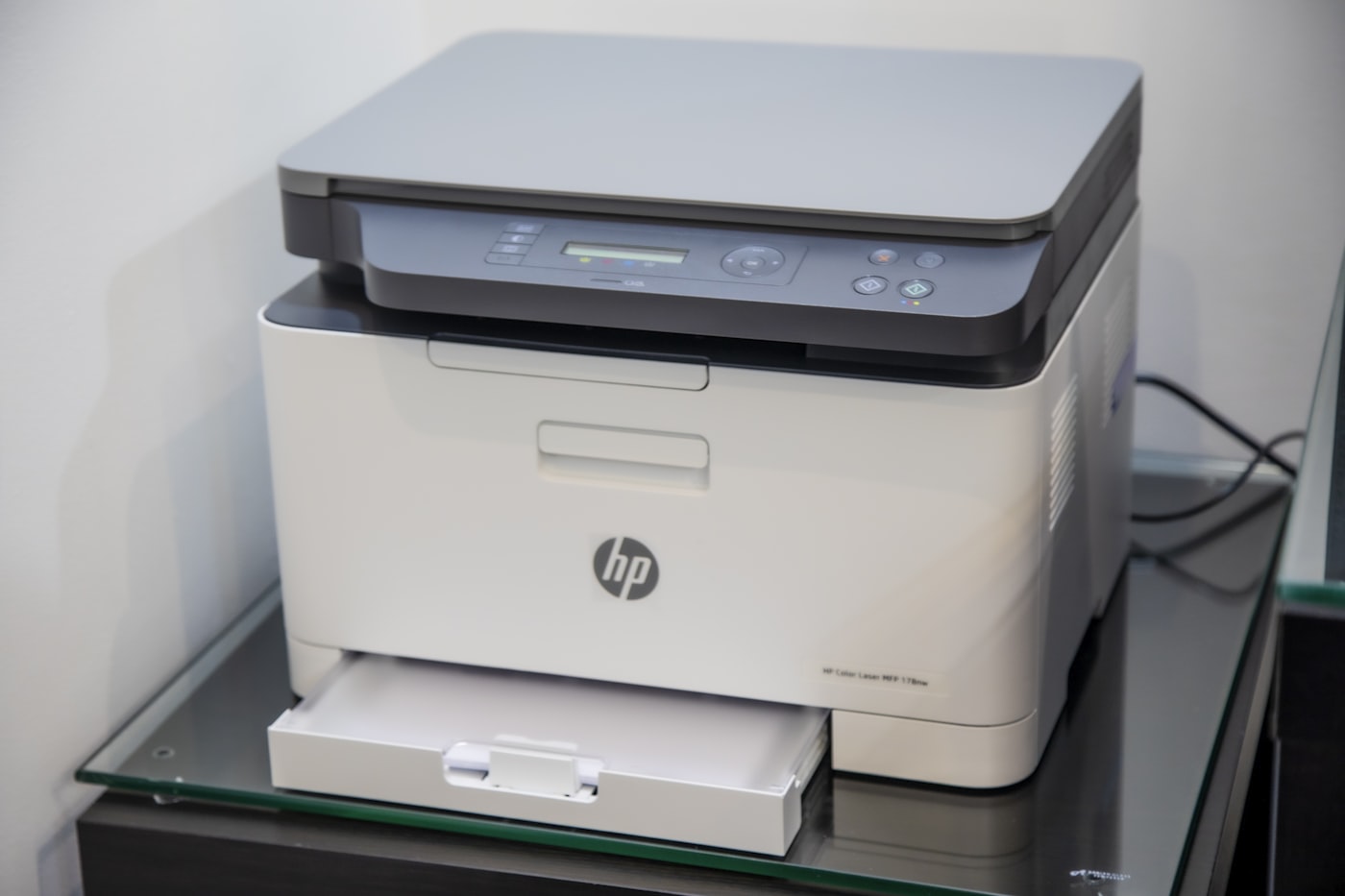

The inspection should also extend beyond the chassis itself to the dealer's facility. A dealer with a clean organized refurbishment shop, parts inventory in labeled storage, and technician staff actively working on chassis demonstrates operational seriousness. A dealer with a cluttered space, no visible parts inventory, and chassis sitting unattended demonstrates an operation that may not deliver the refurbishment quality the seller's description claims. The facility inspection runs in parallel with the chassis inspection and shapes the buyer's confidence in the overall transaction.
The first ten minutes meter and history check
The first inspection step is reading the chassis meter through the service mode panel rather than the user-visible counter. The user counter often resets during refurbishment work and shows a small number that does not reflect actual chassis life. The service mode counter holds the manufacturer's permanent record of total impressions and is more difficult to reset. The technician at the dealer should walk the buyer through the service mode sequence, which varies by manufacturer but typically requires a specific button combination on the panel.
The service mode also reveals the error log, which records every fault the chassis has experienced across its life. A clean error log indicates a chassis that operated without major issues. A log with frequent paper jam codes indicates a chassis that may have feed component issues or that operated with substrates outside specification. A log with imaging errors indicates issues with drum, fuser, or laser components that may persist even after refurbishment work.
The service mode further reveals the previous customer's usage patterns. The chassis logs the time spent in each operating mode including printing, scanning, copying, and standby. A chassis with significant time in production-volume operation logged consistently across years has experienced different wear than a chassis with sporadic light use. The usage pattern shapes the remaining life expectation more than the meter reading alone.
The next ten minutes physical inspection
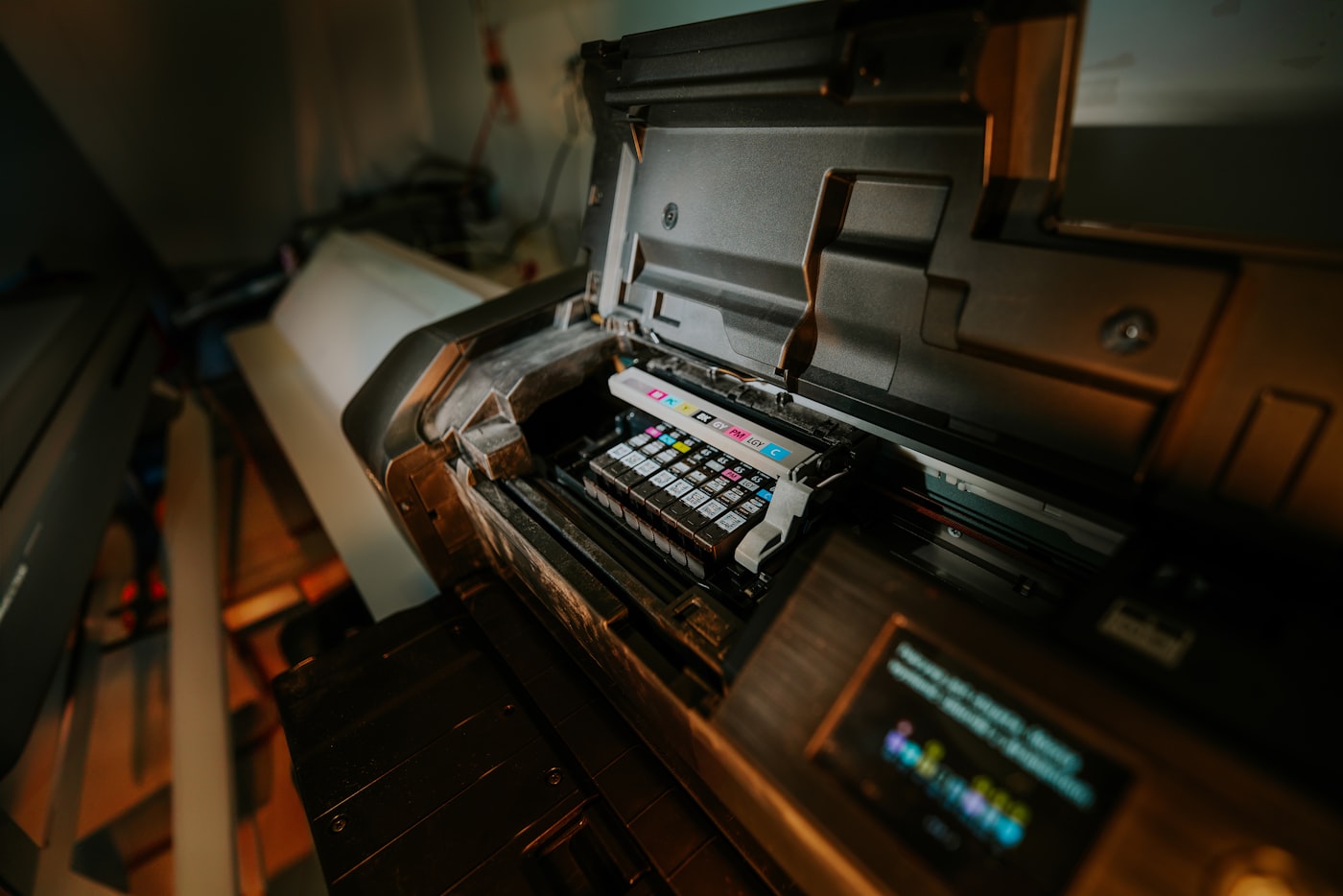
The physical inspection covers the chassis exterior and the accessible interior surfaces. The exterior inspection looks for cosmetic damage that may indicate rough handling. Significant scratches, dents, or panel damage suggest the chassis was moved improperly at some point. Cosmetic damage rarely affects performance directly but may indicate handling that produced internal damage as well. The buyer should ask about any visible damage and accept the dealer's explanation only if it makes mechanical sense.
The cassette inspection looks for wear on the paper path components visible from the cassette area. The paper pickup roller should show consistent rubber surface without flat spots or grooves. The separator pad should not be glazed or worn smooth. The cassette itself should slide cleanly into the chassis without binding. The paper path inside the chassis should be clean without visible toner accumulation, paper dust, or damaged transport components.
The document feeder inspection covers the rollers and the feed path that scans originals. The feed roller surface should be consistent rubber without visible glazing. The separator unit should hold paper firmly without slipping. The document feed path should track paper cleanly during a sample multi-page scan operation. Document feeder issues often appear in used chassis because the feeder receives heavy use across the chassis life and the components wear faster than the print path components.
The middle ten minutes operation testing

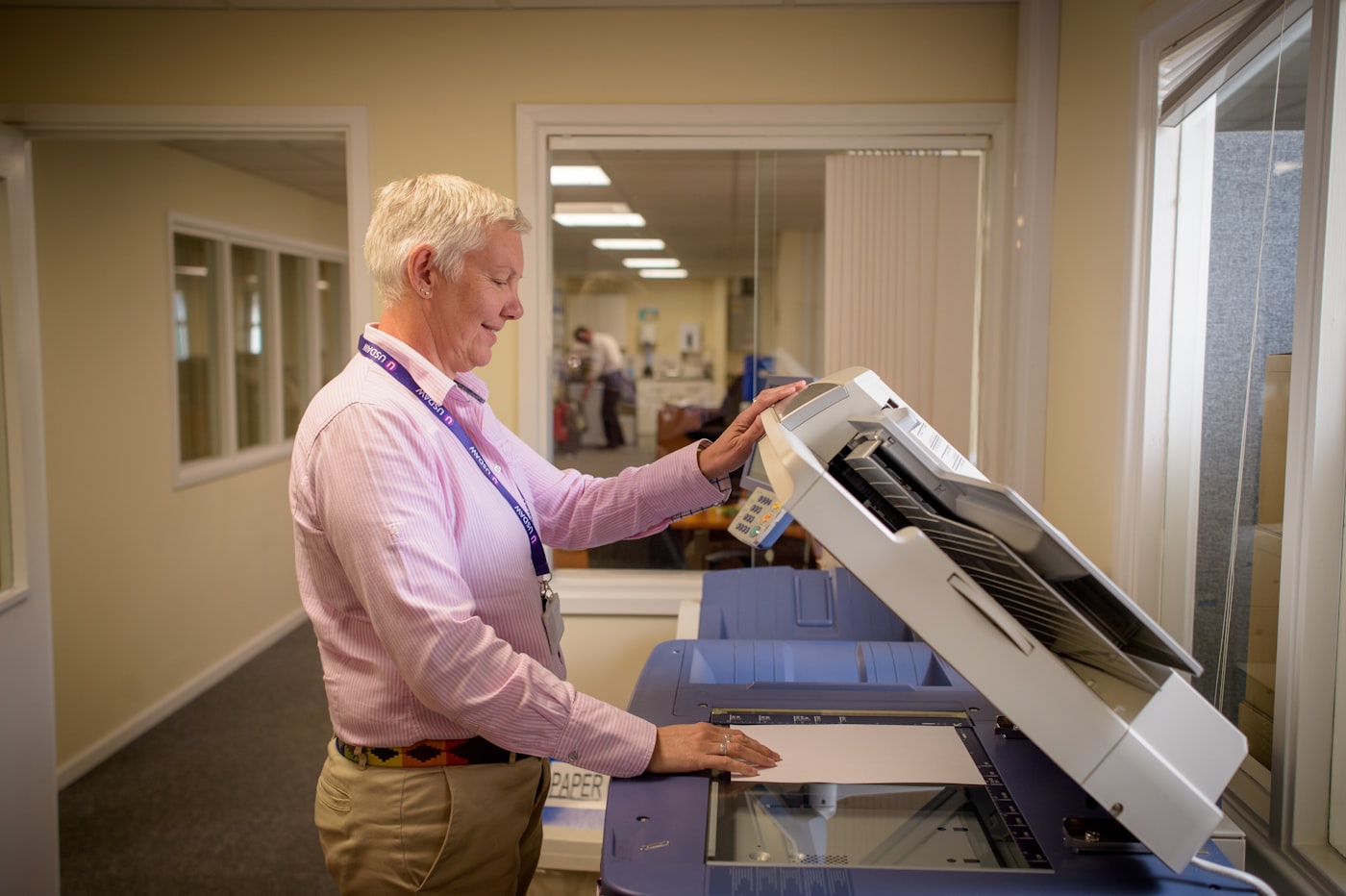

The operation testing exercises the chassis under realistic working conditions. The buyer should bring sample pages for testing including a text document, a color graphic if the chassis is color-capable, a photographic image, and a multi-page document for the document feeder. The samples reveal output quality that the manufacturer's test pages do not because the dealer's test pages are designed to show the chassis at its best.
The print test should run continuously for at least 50 pages to allow the chassis to reach normal operating temperature. Image quality issues sometimes appear only after the fuser warms fully and the toner application stabilizes. The first few pages may print acceptably while later pages show banding, registration drift, or color shifts. The longer test reveals these issues before they become customer problems.
The scan test exercises the document feeder, the platen scanner, and the network destination handling. The buyer should scan a multi-page document through the feeder, scan a complex original from the platen, and send the resulting files to a network destination if possible. The scan operations reveal mechanical issues with the feeder, optical issues with the scan glass, and network configuration issues that the chassis may carry from the previous customer's setup.
The final inspection points that often reveal hidden issues
The fuser pressure roller condition matters more than meter reading alone. The roller should show even surface wear without visible flat spots. Flat spots develop when the chassis sits idle for extended periods with the fuser engaged, and they produce image quality issues that only appear during sustained operation. A used chassis from a closed business that has been in storage may have flat spots that the dealer's preparation work did not detect. The visual inspection of the fuser roller catches this issue before purchase.
The transfer belt condition reveals shipping and storage handling. The belt should show consistent surface without visible creases, scratches, or wear marks. Creases appear when the chassis ships in transport without proper belt tensioning, and the damage requires belt replacement before the chassis produces acceptable output. The visual inspection requires opening the chassis to expose the belt area, which the dealer should accommodate as part of the inspection process.
The hard drive sanitization status requires verification before the chassis leaves the dealer's facility. The buyer should request the data sanitization certificate and verify that the chassis hard drive contains no residual data from the previous customer. The verification protects against compliance liability for the new customer because residual regulated data on the chassis becomes the new customer's exposure. A note on how to verify hard drive sanitization covers what the certificate should document.
The questions to ask before signing
The first question is the warranty terms in writing. Verbal warranty descriptions are not enforceable in any jurisdiction, and the buyer needs the warranty terms documented before purchase. The warranty document should specify the duration, the components covered, the exclusions, and the procedure for warranty claims. The document should arrive before payment so the buyer can review the terms in detail.
The second question is the return policy if the chassis fails on installation. The chassis may operate correctly at the dealer's facility and develop issues during transport or installation at the customer site. The return policy should specify the timeframe for return without question, the procedure for return shipment, and the refund or replacement terms. A dealer who refuses to commit to a clean return policy reveals confidence issues with the chassis condition.
The third question is the service contract availability after delivery. The buyer may want ongoing service support beyond the warranty period, and the dealer's service contract terms shape the chassis service life beyond what the warranty alone delivers. The service contract pricing, response time commitments, and parts availability should be documented before the chassis purchase decision because the service relationship is part of what the buyer is acquiring beyond the chassis itself.
The inspection checklist at a glance
| Inspection area | What to check | Time |
|---|---|---|
| Service mode meter | Permanent counter reading | 3 min |
| Error log review | Fault patterns and frequency | 5 min |
| Exterior physical | Cosmetic damage and wear | 3 min |
| Cassette and paper path | Roller and separator condition | 4 min |
| Document feeder | Feed roller and separator | 3 min |
| Print test 50+ pages | Image quality consistency | 5 min |
| Scan test | Feed and optical operation | 3 min |
| Fuser roller and transfer belt | Surface condition | 2 min |
| Hard drive sanitization | Certificate verification | 2 min |
The checklist runs roughly 30 minutes from start to finish. The investment of half an hour delivers more useful information than days of phone conversation about the chassis condition. The discipline of completing the full checklist before commit catches the issues that produce most of the post-purchase regret in the used market.