What you can buy with a photocopier budget between seven and fifteen thousand euros
The 7,000 to 15,000 euro bracket is where mid-segment workgroup MFPs cross into department-scale chassis with high-capacity feeders, production color, and full finishing.
The shift this bracket marks
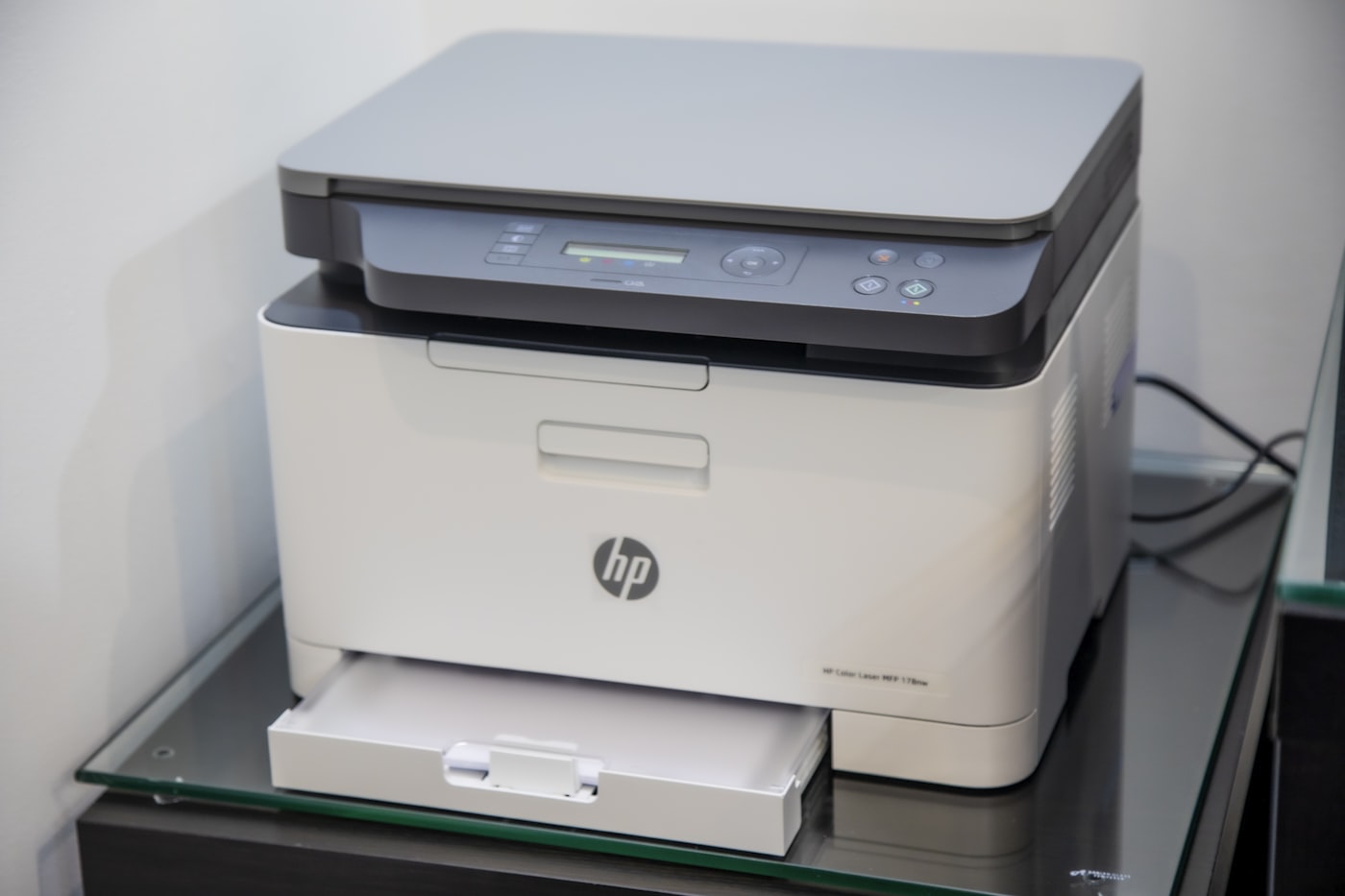
The 7,000 to 15,000 euro bracket is where the chassis stops being a workgroup MFP and starts being a department asset. Print speed reaches 60 to 75 pages per minute in color and 70 to 90 pages per minute in monochrome. Standard paper capacity reaches 4,400 sheets and expands to 6,650 with high-capacity feeders. Recommended monthly volume reaches 50,000 to 100,000 pages, which serves an entire floor of a building rather than a single team.
The chassis at this bracket weigh 145 to 240 kilograms and require dedicated floor space with reinforced flooring in older Spanish buildings. Installation includes electrical work in some cases because the chassis pulls higher peak current during fuser warm-up than older office circuits handle. The floor planning step before purchase is no longer optional, and the dealer typically conducts a site survey before confirming the order.
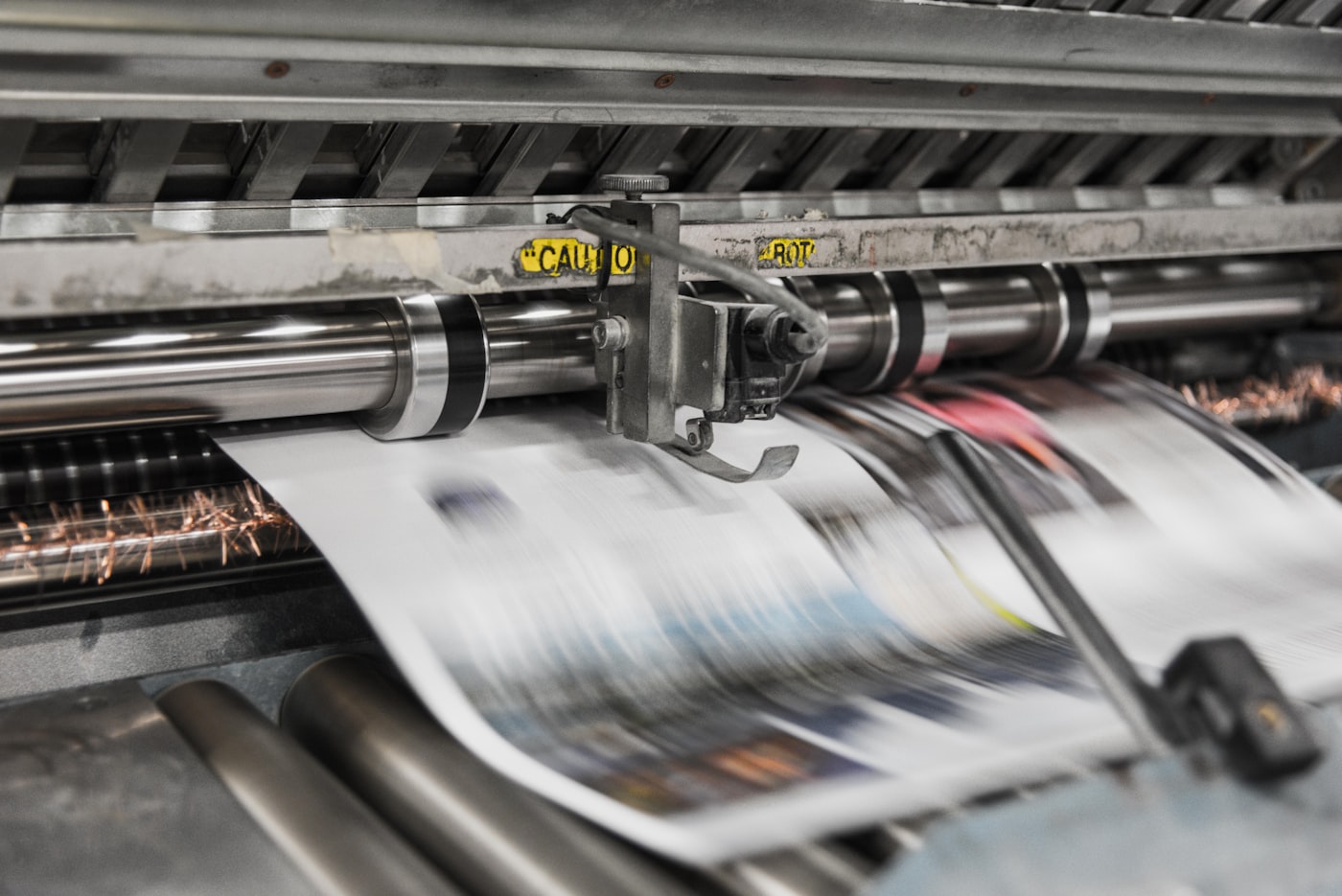
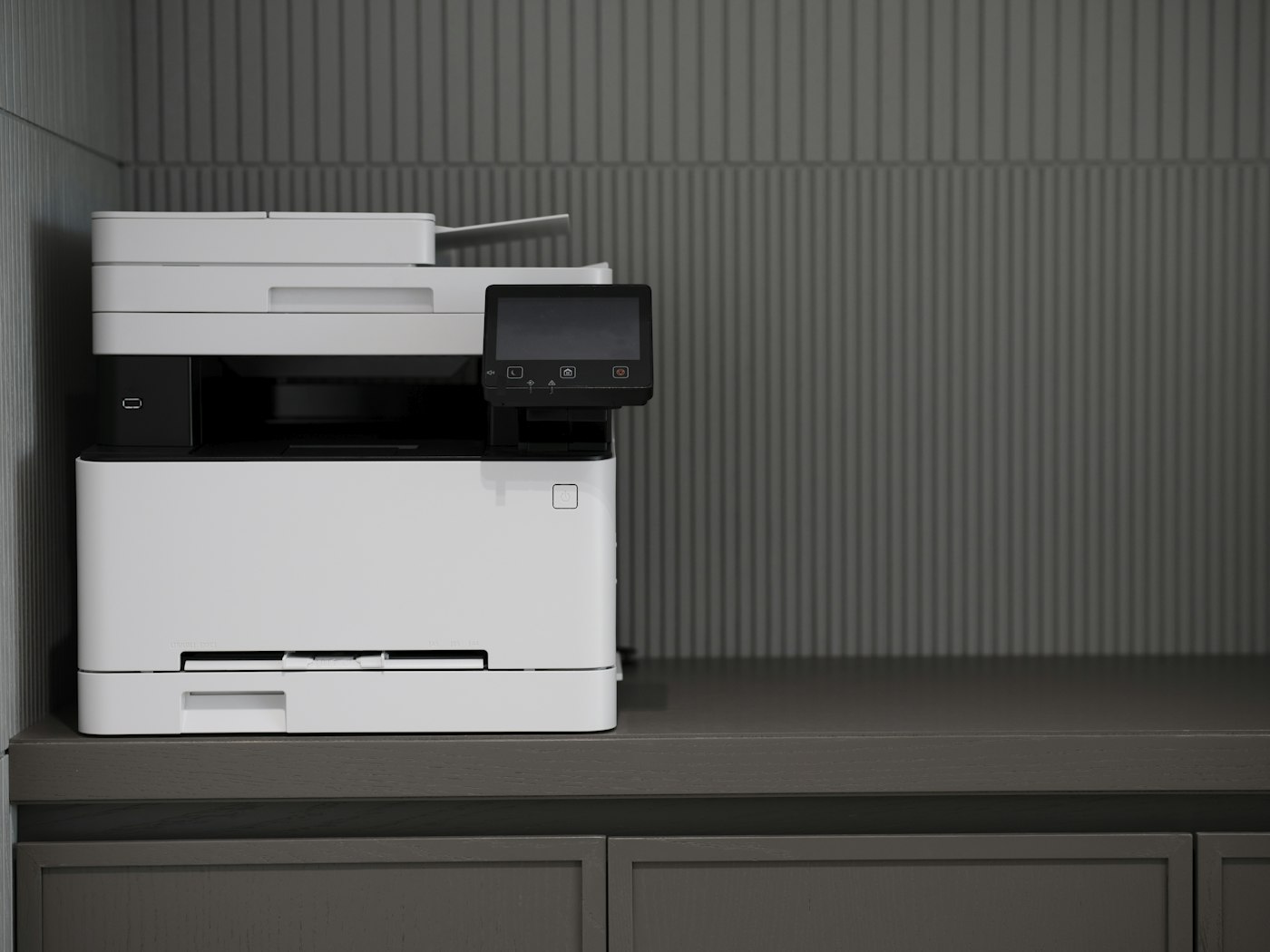
The capability depth at this bracket includes inline color management with periodic spectrophotometer checks, full finishing options including booklet making and square-fold, hole punch finishing in all three Spanish patterns, and high-capacity stacking with 3,000 to 4,000-sheet output bins. The chassis becomes a small-press substitute for offices that previously sent finished work to print shops.
What an office gets at this price
The capability set covers department-scale workflow with broad capability across the office finishing spectrum. Standard features include 60 to 75 pages per minute in color, 240-image-per-minute single-pass duplex scanning, 4,400-sheet base paper capacity, full enterprise security stack with Common Criteria certification at EAL3+, complete print management platform integration, and inline finishing with stapling, hole-punching, folding, and saddle-stitch booklet output.
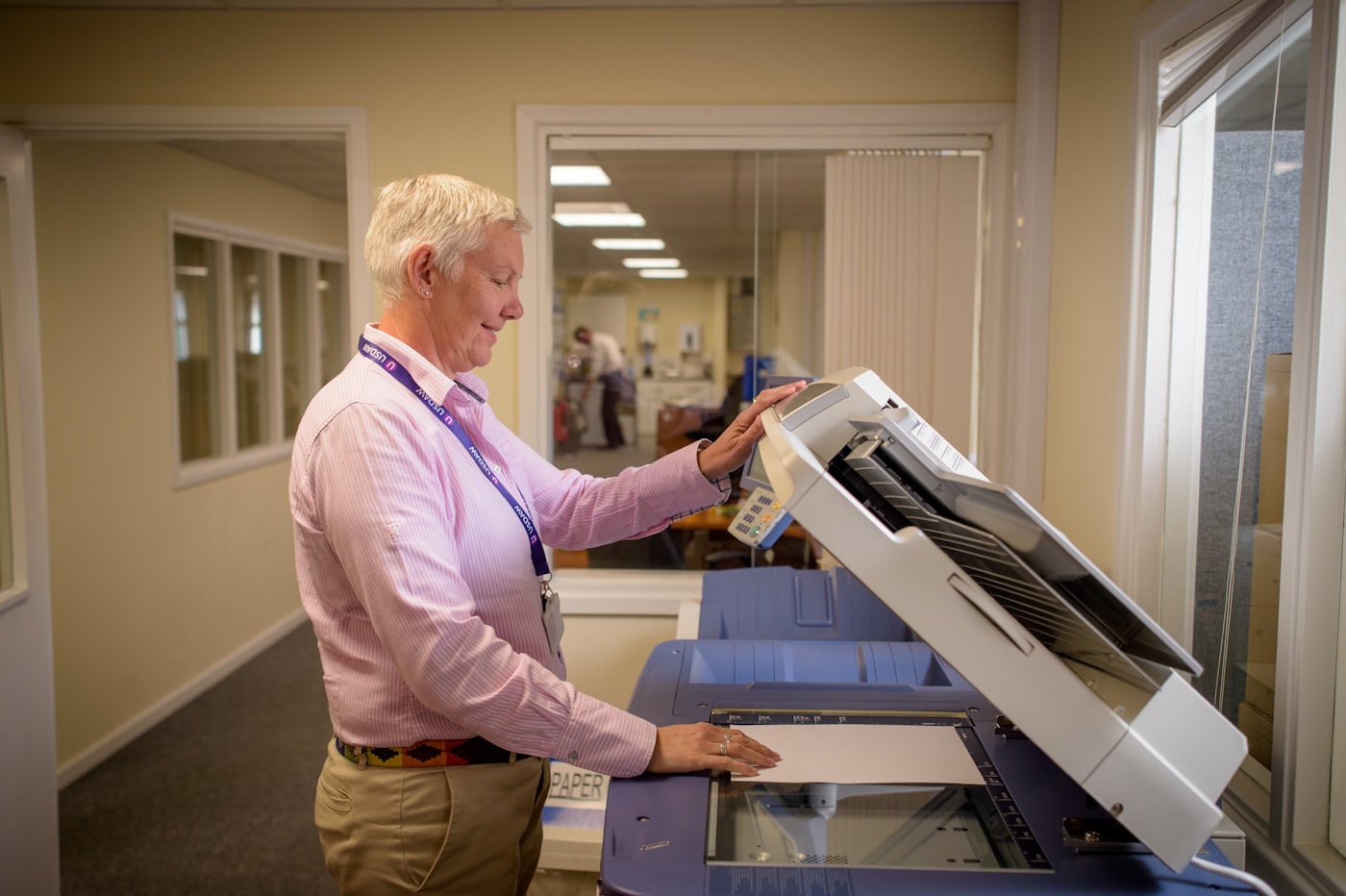
The chassis at this band include native A3 paper handling across all paper paths plus support for sheets up to 1,260 millimeters in length on banner-mode units. The expanded paper handling opens up gatefold brochures, custom shelf-talker formats, and architectural drawings up to A2 plus through manual feed paths. The capability removes most situations where an office would route work to a print shop.
Color quality at this bracket reaches Delta E 1.5 to 1.8 against manufacturer color profiles, which qualifies the chassis for client-facing proof work. Some chassis at the upper edge of this bracket include the same color management hardware found on light-production chassis, which reaches Delta E 1.0 across long runs. The color quality threshold matters for design and marketing departments that produce client deliverables internally.

Representative chassis in this bracket
Ricoh IM C6500 lands at roughly 9,800 euros in the Spanish dealer channel and runs at 65 pages per minute in color. The chassis ships with the Smart Operation Panel, A3 paper handling through every cassette, 1,200-sheet base capacity expandable to 6,650 sheets, and the SR3300 finisher option for stapling, hole-punching, and folding. The chassis serves department-scale operations with a balanced capability profile.
Konica Minolta bizhub C658 lands at 11,500 euros and runs at 65 pages per minute in color with the bizhub Secure platform and the IC-417 internal Fiery server option. The chassis pairs with the SD-510 saddle-stitch finisher for booklet output up to 20 sheets, which produces 80-page A4 booklets folded to A5. The combination of color quality and finishing depth makes this chassis a strong fit for marketing departments.
Canon imageRUNNER ADVANCE DX C5870i lands at 14,200 euros and runs at 70 pages per minute in color with the IRC-EX color profile that delivers Delta E 1.8 against manufacturer references. The chassis includes the uniFLOW Online platform pre-integrated and supports the Booklet Finisher AJ1 with square-fold capability. A note on when square-fold finishing pays back walks through the math that makes this option attractive.
Who actually fits this bracket
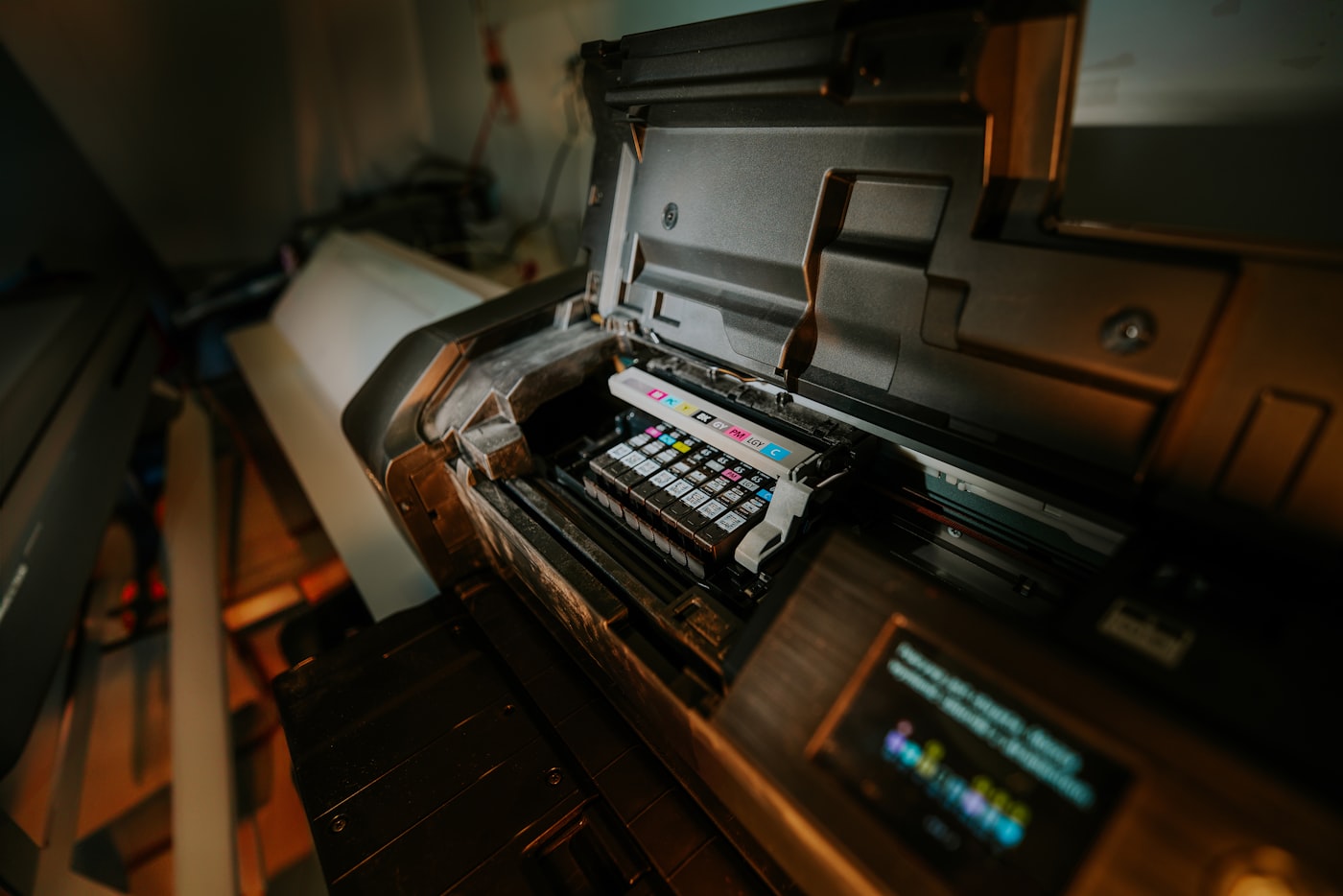
The fit profile covers larger Spanish small-to-medium businesses, mid-market organizations, and departments within larger enterprises. Thirty-five to seventy-five-person professional services firms fit because the chassis duty cycle handles the volume and finishing depth matches client deliverable needs. Marketing departments within larger enterprises fit because color quality and finishing capability handle internal production work that would otherwise route to print shops.
Educational institutions at scale fit at this bracket because the duty cycle and capacity handle administrative print plus exam booklet production at scale. Government offices and public sector departments fit because the security stack and audit logging capabilities meet public sector compliance requirements. Healthcare organizations with multiple departments fit because the capacity supports cross-departmental print volume on a shared chassis.
The bracket does not fit small offices under fifteen people because the chassis capacity exceeds what they generate and the chassis runs at fraction of capacity. The bracket does not fit production print operations because chassis at this band lack the inline spectrophotometer continuous calibration that production specifications require. The bracket fits the meaty middle of the Spanish enterprise market.
The cost recovery math at this bracket
The math at this bracket centers on lease structures because purchase capital requirements at 9,000 to 14,000 euros stretch most operational budgets. Lease typically lands at 280 to 480 euros per month for the chassis alone before consumables and service. Adding consumables and service through a managed contract reaches 580 to 920 euros per month for typical department volumes between 15,000 and 35,000 pages monthly.
Consumable costs at this bracket land at 0.40 to 0.60 cents in monochrome and 3.0 to 4.5 cents in color under managed contracts. The lower per-page cost compared to lower brackets reflects both the larger toner cartridges and the dealer's volume pricing on chassis at this scale. An office producing 25,000 pages per month with a typical 70-30 monochrome-to-color split sees consumable costs around 720 euros per month under the managed structure.
Service contracts at this bracket cover same-day response in major Spanish cities with documented service-level agreements. Some dealers offer four-hour response upgrades for an additional fee, which suits offices where chassis downtime affects client-facing deliverables. The service depth approaches enterprise IT expectations, and the response time commitments are typically firm enough to support the office's own client SLAs where the chassis is part of client-facing operations.
The capabilities this bracket still cannot deliver
The 7,000 to 15,000 euro bracket does not include the highest-volume production-class chassis where duty cycles exceed 200,000 pages per month and inline finishing includes perfect-binding and trim modules. Production color management with continuous spectrophotometer measurement on every sheet is not standard at this band even on the upper picks. Heavy-stock handling above 350 gsm cover stock is not supported through main paper paths.
The bracket also does not include light-production capabilities like inline coating, advanced trimming, or perfect-bound book production. An office that produces premium client-facing deliverables in book form or with coated finishes needs to step to the next bracket where these production tools become available. The finishing depth threshold marks the meaningful break point between department-class and production-class.
High-volume monochrome chassis with 100,000+ page-per-month duty cycles are also outside this bracket. An office producing more than 50,000 monochrome pages per month should consider stepping to the next bracket where chassis duty cycles handle continuous high-volume operation. The volume threshold matches the finishing threshold at the same break point because production volume and production finishing typically arrive together on the same chassis class.

How to make this bracket work well
The bracket works well when the buying decision attends to three factors. The first is the configuration depth and the order in which modules are added. The base chassis carries the imaging engine and one cassette; everything else including additional cassettes, finishers, and high-capacity feeders adds 800 to 4,500 euros depending on the module. Configuring the chassis correctly at purchase delivers significantly better economics than adding modules later through separate service visits.
The second factor is the platform investment alignment. Chassis at this bracket integrate deeply with print management platforms and document management systems, and the integration depth shapes daily workflow more than chassis specifications. An office that already runs uniFLOW, PaperCut, or Streamline NX should select the chassis brand whose native platform integration matches the existing investment rather than buying on price alone and forcing the platform to adapt.
The third factor is the contract negotiation depth. Managed contracts at this bracket carry meaningful negotiation room on per-page rates, included service response times, contract termination penalties, and end-of-contract chassis return conditions. A well-negotiated contract delivers 12 to 20 percent better economics than the dealer's first quote, and the negotiation conversation is part of standard buying practice. Asking for three competing dealer quotes before committing reveals where actual pricing flexibility sits.
The decision framework
| Office profile | Monthly volume | Bracket fit | Reason |
|---|---|---|---|
| 35-75 person professional services | 20,000-40,000 pages | Strong | Capacity and finishing match |
| Marketing department in enterprise | 15,000-30,000 pages | Strong | Color quality client-grade |
| School or university department | 25,000-50,000 pages | Strong | Volume and finishing fit |
| Multi-department healthcare | 20,000-40,000 pages | Strong | Security plus capacity |
| Office under 15 staff | Under 8,000 pages | Weak | Capacity exceeds need |
| Production print shop | Variable | Poor | Production tooling absent |
The framework shows the bracket's strength zone in department-scale operations and larger small-to-medium businesses. The capability depth justifies the price for offices that produce both volume and variety. Smaller offices and production specialists are on either side of the bracket's natural fit.