Environmental Classification For Chamber Selection Per IEC 60721
Before any chamber runs, somebody decides which world the product lives in. This standard is where that decision gets a name.
IEC 60721 classifies environmental conditions: it sorts every climate, vibration, dust load, chemical atmosphere a product can meet into coded classes, so that a contract can state an environment in four characters in place of four paragraphs. The 60068 test methods answer a different question, how to apply a stress; 60721 answers which stresses apply at all. The clearest way through the standard is to follow one code on its full journey, from the contract line where it appears to the chamber booking it eventually becomes. The code for this journey is 3K3, the most quoted class in indoor electronics.
Where the code enters: a contract line
A procurement specification for an indoor controller carries the sentence: the equipment shall withstand the conditions of class 3K3 of IEC 60721-3-3. No temperatures appear, no humidity figures, no durations. The four characters carry all of it by reference, the same way a steel grade or a protection rating carries a full table behind a short name.
The shorthand is the standard’s entire purpose. Environment descriptions written freehand drift: one author writes tropical, the next writes humid indoor, a third writes 35 degrees in summer; three suppliers read three different products. A class code freezes the description against a published table that every party can buy, cite, audit. Disagreements move from adjectives to numbers.
Decoding the four characters
Each position in 3K3 answers one question. The first digit names the life situation, taken from the part of 60721-3 that issued the code: part 3-1 covers storage, its codes begin with 1; part 3-2 covers transportation, codes begin with 2; part 3-3 covers stationary use at weatherprotected locations, codes begin with 3; part 3-4 covers stationary use at non-weatherprotected locations, codes begin with 4. Further parts continue the series for ground vehicles, ship environments, portable use. The letter names the parameter family: K for climatic conditions, temperature, humidity, pressure, radiation; Z for special climatic conditions; B for biological conditions, mould, rodents; C for chemically active substances, salt mist, industrial gases; S for mechanically active substances, sand, dust; M for mechanical conditions, vibration, shock, seismic loads. The final digit ranks severity inside that family, higher numbers reaching harsher environments, each step a published table row. So 3K3 reads: stationary indoor use, climatic family, third severity, a temperature-controlled but not precision-controlled interior, the office, the equipment room, the ordinary factory floor. A full environment statement strings one code per family, the pattern the telecom industry standardised in ETSI EN 300 019, whose class 3.1 bundles 3K3 with 3Z2, 3B1, 3C2, 3S2, 3M1, six families, one line, the entire room described. The line reads right to left as a procurement instrument: severities to verify, families to cover, life situation to match against the installation manual, four characters at a time, with every digit defensible from a table the supplier can buy on the day of signature.
The other letters, walked
The K family fills most contracts; the remaining letters carry the failures K never sees. Z collects the special climatic cases, condensation events, low air pressure, combined excursions, the conditions that route a programme toward the composite, combined methods of the test catalogue. B is biological: mould growth on nutrient surfaces in warm damp, insect, rodent attack on cabling, conditions answered by the mould growth method, by material choices no chamber can retrofit.
C is chemically active substances. Salt mist for coastal, marine residence, sulphur dioxide, hydrogen sulphide for industrial atmospheres, each severity row pointing toward a corrosion method with its own dedicated rig. S is mechanically active substances, sand, dust, the family that decides whether the enclosure’s ingress rating faces a dust test before its climate work means anything. M is mechanical: vibration severities that translate to sinusoidal, random methods, shock rows that translate to the shock, bump catalogue, seismic lines for installations that claim them.
The discipline the letters teach is completeness. A programme that quotes 3K3 alone has declared the climate, left five families silent; silence reads as not applicable only when somebody wrote the words. The strongest environment lines in circulation mark every family, applied or struck, so the absence of a dust line is a decision with an author, never an oversight with a future.
The storage class, walked
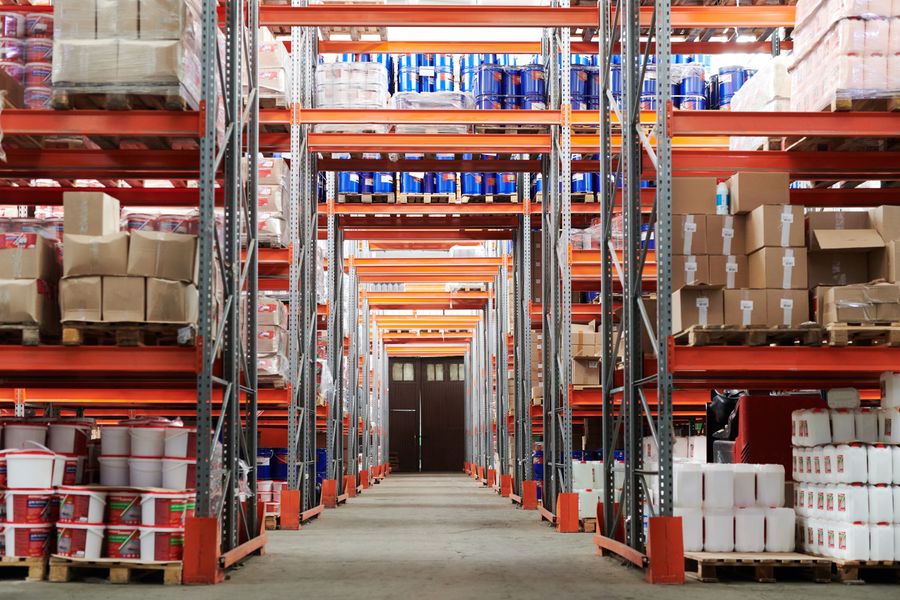
The 1-series deserves its own walk because every product passes through storage; test plans rarely mention it. A racked product in an unheated warehouse follows the building through its seasons: daily swings the operating room never sees, winter floors near freezing, summer roof spaces well past any office ceiling, humidity riding the weather with no conditioning between.
The 1-series tables grade those buildings, from conditioned stores through partially conditioned to open sheds, each row a different bargain of rent against climate. The translated tests follow the row: a conditioned-store class translates to mild steady damp heat at most; an open-shed class pulls cyclic damp heat, wider cold, sometimes the composite cycle, into a programme whose product never operates outdoors at all. Packaging engineering enters the same row: the class describes the air around the crate; desiccant, barrier bags, the crate’s own breathing decide what reaches the product, a layer the designer documents on top of the class exactly as with self-heating indoors.
Coverage relations, used with care
The published coverage relations let one life stage stand for another: a storage class whose table envelopes a use class covers it, one test campaign, two stages claimed. The arithmetic works only row by row. Temperature spans envelope cleanly; humidity bands envelope cleanly; the mechanical families rarely envelope at all, since transport vibration has no counterpart in a server room, so a coverage claim quotes the families it covers, names the families it leaves open.
Programmes that use the relations honestly write a small table into the test plan: stage, class, covered by, tested directly, one line per family. The table costs ten minutes; it converts an implicit assumption into an auditable claim, the difference visible the first time a transit failure asks which stage qualified the packaging.
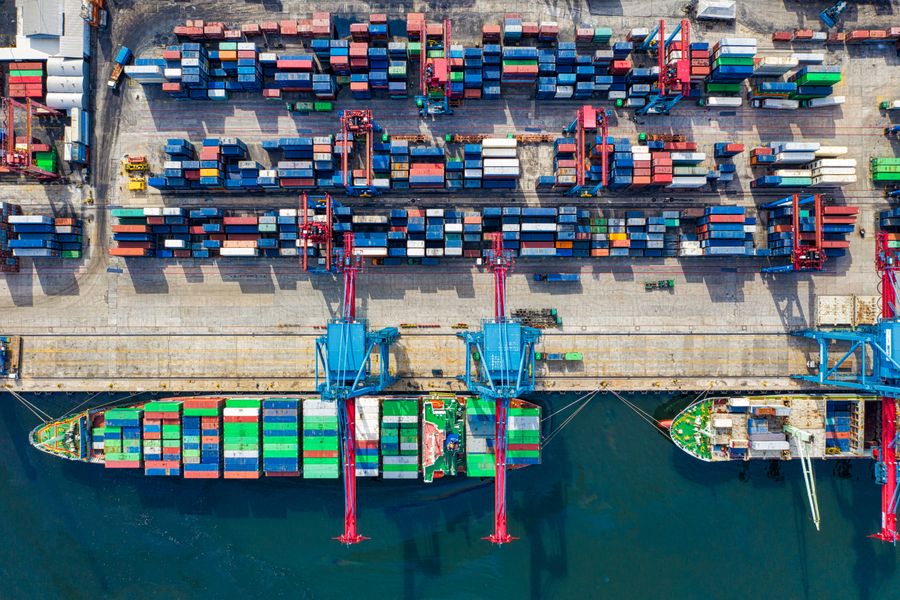
The same product crosses three first digits before it works a single day. It leaves the factory into a 1-series world, storage, racked in warehouses whose climate follows the building. It travels through a 2-series world, transportation, where a closed container on a summer deck reaches temperatures no equipment room ever sees, where every road joint hammers the packaging. It arrives into its 3-series world, the installed life the designer actually imagined.
The severities rarely match. Transport classes reach wider temperature spans, harsher vibration, condensation events the indoor class forbids; storage classes allow swings the operating class never permits. A product qualified only against its operating class has an undocumented youth, two life stages crossed with no evidence, which is the gap transit damage claims fall into. The standard’s own tables acknowledge the overlap by publishing coverage relations across the series, one storage class enveloping a given use class, so a programme can prove the harsher stage covers the milder one in place of testing both.
Where the numbers come from
The class tables are not invented; they are condensed weather. The 60721-2 series collects the conditions appearing in nature, open-air temperature statistics by climate type, humidity records, solar radiation, sand transport; the 60721-1 part maintains the master list of parameters with their measurement conventions. The 3-series tables draw their severity steps from those records, filtered through what buildings, vehicles, shelters do to outdoor air.
The pedigree matters in disputes. A supplier asked why 3K3 stops near 40 degrees can point through the chain: the class digests the recorded climate of heated, ventilated interiors, with the margin the committee judged sensible. The number arrived by evidence.
The journey’s hard step: class to test
A class is a description of residence; a test is a procedure with a start button. The gap between them is wider than it looks. 3K3 names a band the product lives inside for years; no chamber booking runs for years; so somebody must translate residence into severities, durations, methods. The official bridge is the 60721-4 series of technical reports, correlation, transformation guidance, one report per part of 60721-3, mapping each class to recommended 60068 test methods with severities.
The reports keep the translation honest in both directions. Without them, a cautious engineer over-tests, picking the harshest severity the catalogue offers, paying for margin no service life uses; a hurried engineer under-tests, picking the severity the schedule prefers. The mapping fixes the conversation: this class, these methods, these severities, this many cycles, a recommendation a programme can adopt, tighten with reason, or relax with a signature.
The translated list reads like a familiar shopping basket: a cold method run at the class floor, a dry heat method at the class ceiling, a damp heat soak where the humidity band demands one, change-of-temperature cycles where the residence includes daily swings. Each line lands on a chamber the laboratory already owns, which is the moment the four characters finally meet hardware.
The journey in one line
A class code folds a climate into four characters; chamber selection unfolds it.
Reading a class into a chamber specification
The unfolding produces concrete machine requirements. The class ceiling sets the chamber’s required range with working margin; a 3K3 ceiling near 40 degrees asks nothing of a 180-degree machine, an outdoor 4-series class with solar load asks for more than most benchtops give. The class humidity band decides whether a plain thermal cabinet suffices or a humidity-capable machine is mandatory; any class whose band crosses high humidity at warmth pulls the booking toward the damp heat family with its water, drainage, sensor obligations.
The class’s rate behaviour decides the plant. Indoor classes change slowly, a hold-duty machine serves; transport classes include door-of-the-aircraft transitions that only a cycling-rated plant reproduces. The class’s companion families, the M codes for vibration, the S codes for dust, decide what the climatic chamber cannot answer at all, lines that route to shakers, dust rigs, salt chambers, the boundary a test plan should draw before any booking, since no single machine serves a six-code line.
Run the same unfolding across a product portfolio; the chamber fleet plan falls out of it. A laboratory serving indoor telecom lives on hold-duty temperature-humidity machines; one serving vehicle electronics needs cycling plant, wider floors, vibration under the same roof. Fleet purchases argued from class statistics survive budget review better than purchases argued from the loudest recent project.
A second traveller: the outdoor cabinet
Walk a harsher code the same road for contrast. A roadside power cabinet carries a 4-series climatic class, non-weatherprotected, with heavier C, S, M companions: salt-laden air near coasts, wind-driven dust, traffic vibration. The first digit alone has consequences: direct solar load enters the table, daily temperature swings widen, water arrives as rain in place of vapour.
The translated test basket changes character with it: wider temperature methods, cyclic damp heat where the indoor product ran steady, a water test the indoor class never mentions, dust before the door seals get their verdict. The chamber list grows from one machine to four; the budget conversation changes from days to weeks. None of that escalation came from caution; every line traces to a digit in the code, which is exactly the audit trail a review board wants.
A worked translation: 3K3 to a booking form
Run the contract line through the guidance; a one-page test list falls out. Cold: the class floor, a +5 severity at the standard tolerance, soak sized to the product’s thermal mass, the smallest line on the page. Dry heat: the class ceiling near +40, the same soak logic, a severity most products clear without drama. Damp heat: the class’s humidity band peaks high enough that the steady-state method enters at a moderate severity measured in days, the line that actually finds workmanship faults in indoor equipment.
Change of temperature stays off the list, the indoor class moves too slowly to justify it; that deletion is as much a result as any test line, money returned by accurate classification. The M, S, C companions route to their own rigs where the contract quotes them. The page ends with the class citation, edition dated, the guidance report cited beside it, so any reviewer can re-derive the list from the same two documents.
The list then prices itself: three climatic bookings, ordinary severities, hold-duty plant throughout. The same exercise for the roadside cabinet’s 4-series line produced four machines, wider severities, double the calendar. Classification did the costing before any laboratory saw the request, which is the system working exactly as designed.
The later parts: vehicles, ships, pockets
The 3-series parts continue past buildings. Ground vehicle installations carry their own part with classes for engine compartments, cabins, exteriors, each balancing temperature against vibration against splash. Ship environments get a part where salt joins every family at once, the C codes doing work no land class asks of them. Portable, non-stationary use closes the series, the hardest first digit of all, since a handheld product crosses every other class in one working day, pocket to van to loading dock to rain.
The portable tables answer with breadth: wide climates, condensation events, drop, tumble in the mechanical family. A programme for handheld equipment that quotes an indoor class has classified the charger alone; the mismatch shows up in the field as cracked housings each winter, the classic signature of a first digit chosen one notch too kind.
What the classes deliberately leave out
A class table describes the environment around the product; the product’s own contribution stays outside the tables. Self-heating, the warmth a powered cabinet adds to its own interior air, comes first; the micro-climate a sealed enclosure builds inside itself comes second, drier than the room in winter, wetter after a cold night. The designer adds those layers on top of the class, which is why two products sharing 3K3 can need different internal protection.
The classes describe likelihood bands; they guarantee nothing. A 3K3 room suffers its air-conditioning failure, its doorway draught, its heater fault; the class states the conditions the environment maintains in normal operation, with excursions handled by the specification’s own language. Programmes that need failure-case cover write it explicitly, an added severity with a stated duration; the class itself stays as published.
The site survey, specified
Where the installation is real, measurement beats judgement. A survey that earns its place in the file runs a logger through a full season at the installation point, temperature, humidity sampled at intervals short enough to catch the air-conditioning’s daily behaviour, the logger placed where the equipment breathes, never on the cool side of the room by the door.
Reading the record into a class follows the tables’ own logic: the recorded band, with its rare excursions handled per the specification’s language, lands inside one row’s limits; that row is the class. A record straddling two rows argues for the higher only where the excursions are part of normal operation; a single heater failure in February is a failure case, written separately, never a reason to reclassify the room.
Reading the log uses the tables’ statistical conventions: the band that holds for the overwhelming share of hours sets the class; the brief annual extremes get handled by the contract’s excursion language; a percentile summary printed beside the raw plot saves the next reader the spreadsheet work. The survey file then outlives the project. The next product for the same site inherits a measured class; the dispute about whether the plant floor is a 3K3 room or worse gets answered from data on company letterhead. Sites that survey once stop arguing about environment for a decade.
Edition discipline
Class tables move between editions. Severity rows get added, boundary values adjusted, parts reorganised, so a code quoted bare invites the question which table the parties signed. The cure costs a date: class 3K3 per IEC 60721-3-3, edition stated, year stated, written once in the contract’s reference list.
The same discipline applies down the chain. The transformation guidance carries its own edition; the 60068 methods it points to carry theirs; a test plan that locks all three editions at signature reproduces identically years later, which is what re-qualification, dispute, audit each require of it. Reference lists with dates are dull paperwork until the second edition lands mid-programme; the programmes that wrote the dates continue undisturbed.
Class inflation, the expensive habit
The standard’s most common abuse is upward drift. An author unsure of the installation picks the next class up, to be safe; the next author inherits the harsher code, adds a margin of their own; three documents later an office controller carries a near-outdoor rating. Every step looked prudent; the sum is a product over-designed, over-tested, over-priced against an environment no unit will ever meet.
The standard’s own structure cures it. Classes were published so that selection could follow evidence: name the installation type, read the matching part, take the class whose table matches the recorded reality. Where doubt is genuine, the honest move is a site survey, a logger left in the real room for a season, data that picks the class for you. A month of logging routinely repays itself in deleted test lines, smaller heatsinks, thinner enclosures.
Drift runs downward in other hands: the optimistic author declares an industrial floor to be office-grade because the cabinet looked clean on visit day. The logger answers both directions with the same impartiality.
Classification in the test report
The code belongs in the report header as the anchor of relevance. A certificate stating that a product passed a list of severities answers what was run; a certificate stating that the severities derive from class 3K3 per the transformation guidance answers why the list was sufficient. The second form survives audits the first form fails, since the auditor can walk the chain themselves: class, mapping, methods, traces.
The code in the header carries one more duty: scope honesty. A product qualified against 3K3 holds no implied claim for the loading dock, the unheated annex, the export crate. Reports that print the class print the boundary, which protects the laboratory, the supplier, the buyer in the same sentence; the warranty file inherits a clean line between the residence the certificate covers, everything else.
Five ways classification goes wrong
The first failure is the missing first digit: a programme tests the operating class, skips storage, skips transport, then meets its first claim from a unit that died in a container. The fix costs a line per life stage, each stage either tested or covered by a documented envelope relation.
The second is the orphan letter. A specification quotes the K class alone; vibration, dust, chemistry stay unwritten; the product passes its climate then corrodes beside a coastal road. A complete environment line names every family that applies, with the families that genuinely do not apply struck through on purpose, visible as decisions.
The third is the private severity, a contract writing its own temperatures while citing the standard’s vocabulary, half-code, half-improvisation. The defence is literal citation, class, part, edition, so the table behind the code is the one the committee published, current at signature date.
The fourth is translation by guesswork, severities picked from the 60068 catalogue by feel, the transformation guidance never opened. The translated basket then misses the one stress the class emphasises, commonly the humidity line indoor authors underrate.
The fifth is the certificate without a class, test results floating with no environment behind them. The results are real; their sufficiency is undecidable; every future reader must reconstruct the reasoning the header could have carried in four characters.
Reading the clause into a purchase
For a chamber buyer, the classification system is the demand forecast. The classes a site serves define the fleet: their ceilings, floors, set the range specification; their humidity bands decide how many machines carry water systems; their rate behaviour splits the order between hold-duty, cycling-duty plant; their companion families budget the non-climatic rigs.
The same logic prices individual bookings. A request quoting a class arrives pre-translated or translatable in an hour against the guidance reports; a request describing the environment in prose costs a meeting before the first quotation line. Laboratories that ask for the class on the booking form move that meeting to the customer’s side of the fence, where the installation knowledge sits.
The buyer’s verification question stays short: which classes can this machine cover, stated as the standard’s own codes, on the datasheet. A maker fluent in the codes has met the demand pattern before; a datasheet that answers in marketing ranges leaves the translation risk on the buyer’s desk.
The classes earn one more job after purchase: utilisation accounting. A booking log that records the class behind every job shows, after a year, which classes paid for the fleet, which machine ran the work, where the queue formed. The next capital request then quotes demand in the same codes the contracts used, a chain from weather records to budget line that no marketing range survey reproduces. Sites that keep the class column in their booking system price machines, staff, calendar against evidence; the column costs one field on a form.
The code, arrived
The journey closes where it started, four characters on a contract line. Decoded, they named the installation type, the parameter family, the severity row. Traced backward, they rested on recorded climate. Translated forward through the guidance reports, they became methods, severities, durations, then a chamber booking, then a trace in a report whose header cites the code that ordered it. Every party along that chain read the same table, which is the entire service the classification system sells: one short name for one agreed world, all the way from the weather records to the chamber door.
Questions laboratories ask about environmental classification
What does IEC 60721 actually contain?
Three layers. 60721-1 lists the environmental parameters with their conventions. The 60721-2 series records the conditions appearing in nature, temperature statistics, humidity, radiation, sand. The 60721-3 series condenses those records into coded classes by life situation: storage in part 3-1, transportation in 3-2, weatherprotected stationary use in 3-3, non-weatherprotected in 3-4, with further parts for vehicles, ships, portable use.
How is a class code like 3K3 read?
First digit: life situation, 3 for stationary indoor use. Letter: parameter family, K climatic, Z special climatic, B biological, C chemical, S sand and dust, M mechanical. Last digit: severity rank inside the family. A full environment statement quotes one code per applicable family; ETSI EN 300 019 class 3.1 bundles 3K3 with 3Z2, 3B1, 3C2, 3S2, 3M1 for ordinary equipment rooms.
How does a class become a chamber test?
Through the IEC 60721-4 technical reports, one per part of 60721-3, which map each class to recommended IEC 60068 methods with severities. The class ceiling feeds the dry heat severity, the floor feeds the cold test, the humidity band selects steady or cyclic damp heat, the rate behaviour decides whether cycling plant is needed. The reports replace guesswork in both directions, over-testing, under-testing alike.
Which mistakes cost programmes most?
Testing only the operating class, storage, transport stages unexamined; quoting the climatic code alone, dust, chemistry, vibration unwritten; inflating the class to be safe until an office product carries near-outdoor requirements. Each mistake is visible in the paperwork once the full code line is demanded: every life stage, every family, every severity traceable to a published table.
Does a class cover the product’s self-heating?
No. The tables describe the environment around the product. Interior temperature rise from the product’s own dissipation, micro-climates inside sealed enclosures, sit on top of the class, added by the designer. Two products sharing the same room class can need different internal margins for exactly this reason.
What should a chamber buyer take from 60721?
The demand forecast. The classes a laboratory serves set the fleet’s required ranges, the number of humidity-capable machines, the split between hold-duty, cycling-duty plant, the non-climatic rigs that climatic chambers cannot replace. A machine datasheet that states its coverage in the standard’s own class codes saves the buyer the translation, with its risks.