Composite Temperature Humidity Test Chamber Per IEC 60068 2 38
Moisture infiltrates, ice pries, the thermal swing pumps. The composite cycle hires all three, letting them work together.
IEC 60068-2-38 defines Test Z/AD, the composite temperature humidity cycle: a damp heat rhythm swinging between roughly +25, roughly +65 degrees, in air near 93 percent humidity, with sub-zero excursions to about -10 inserted on designated cycles, the whole programme customarily running ten days. The method exists because three mild stresses become one severe attack when combined. Reading the standard as a conspiracy of three, each with its own role, is the clearest way to understand the cycle’s shape, the chamber able to run it too.
The anatomy of one composite day
The base rhythm copies cyclic damp heat: climbs to a +65 plateau, descents to +25, humidity held high throughout, two full swings in each 24 hours, a pace whose familiarity is deliberate since the wet machinery borrows wholesale from the simpler method. On the cycles the standard designates, the second descent keeps going, through the dew point, through zero, down to the neighbourhood of -10, holds briefly, then returns to the warm wet routine.
Ten cycles is the customary count, with the cold excursions distributed among them per the standard’s published schedule, never per the laboratory’s convenience. The arrangement is deliberate: the product spends days drinking moisture before the freezes arrive, so the ice forms where water has already worked deep; surface frost was never the point. A programme that froze on day one would test surface frost; freezing after days of infiltration tests the structure, which is the claim buyers of the certificate are paying for.
Tolerances follow family practice, temperature bands of a couple of degrees, humidity held within its high window through the wet phases. The freeze phases run drier by nature, since air at -10 carries almost nothing; the method cares that the cold arrives on schedule, holds its floor, then hands back to the humidifier. Reading the published profile beside a real trace from a prior run is the fastest education the method offers, since every clause becomes a visible feature of the curve.
Three conspirators, one method
Each stress in this cycle is unremarkable alone. The damp phases are gentler than a dedicated damp heat test’s worst; the -10 excursion is mild beside a real cold test’s -40; the thermal swings are slow beside any shock method. The method’s severity lives entirely in the order of operations. Moisture is the infiltrator: days of warm, near-saturated cycling drive water into seams, under coatings, along fibre interfaces, into every microscopic harbour a product offers, exactly as the damp heat methods do. Ice is the crowbar: when the cold excursion arrives, the infiltrated water freezes where it sits; freezing expands it by roughly a tenth of its volume, converting every filled crevice into a tiny hydraulic jack that widens the space it occupies. The thermal swing is the pump: each return to warmth melts the ice; the next humid phase drives fresh water into the freshly enlarged gaps, so the following freeze finds more water, deeper in, with more to expand. Damage compounds cycle on cycle along this ratchet, which is why a product that shrugs off damp heat alone, then shrugs off cold alone, can fail visibly inside ten days of the two taking turns. The composite test is not a schedule convenience bundling two methods; it is a third method whose mechanism neither parent owns; reading every clause of the standard against this three-actor script explains decisions that otherwise look arbitrary, from the freeze days’ placement to the patience of the transitions, all of it choreography for the same three performers.
The infiltrator at work
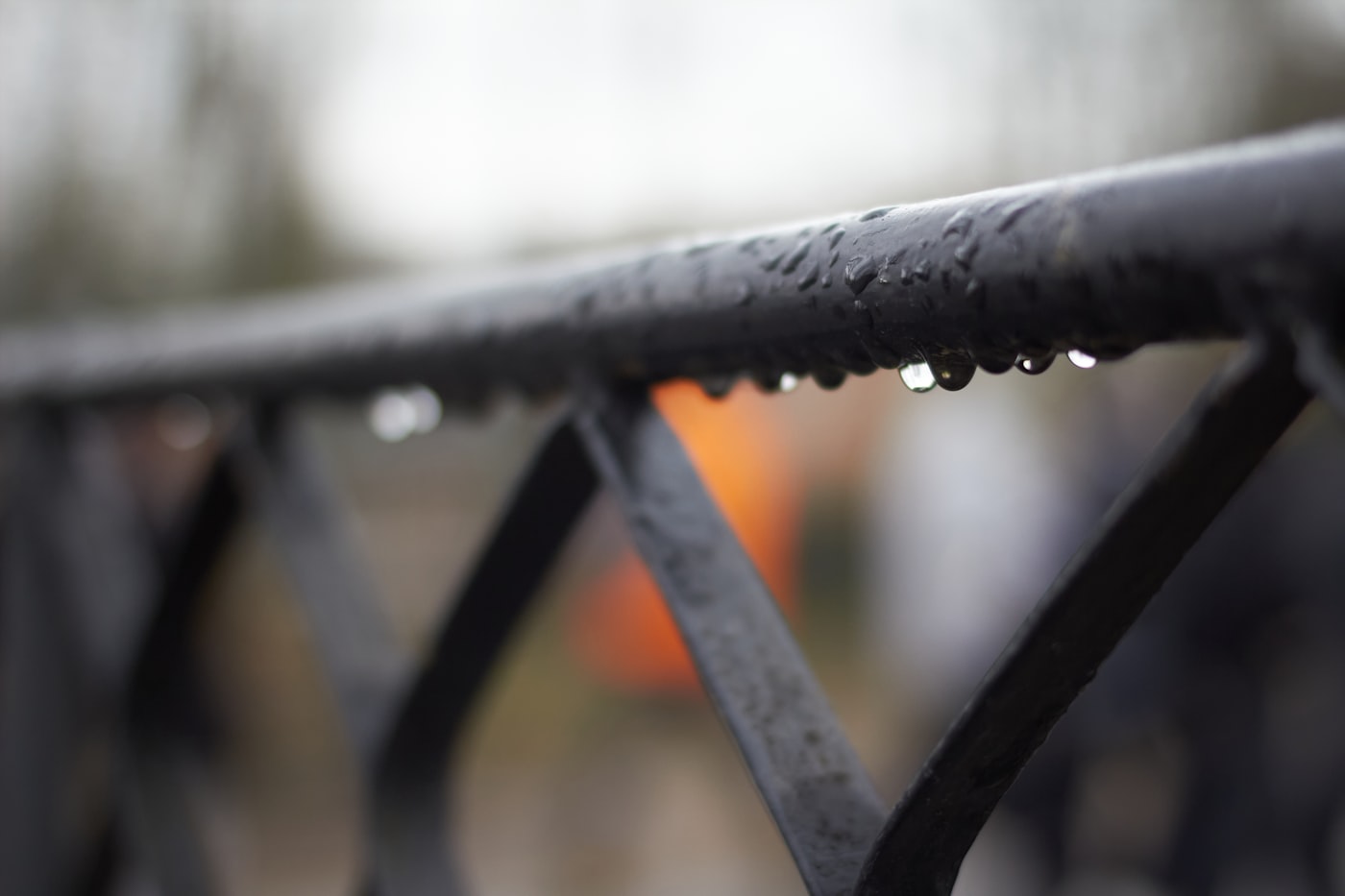
The wet phases run the familiar machinery: condensation on lagging surfaces during climbs, capillary draw at seams, breathing through imperfect seals as cavities inhale on each descent. Everything the cyclic damp heat method teaches about water’s routes applies unchanged here: the lagging masses condense hardest, the seams wick, the cavities breathe a little deeper with every evening descent.
What changes is the stakes. In a pure damp test, infiltrated water threatens corrosion, threatens leakage, on its own modest schedule; here, every millilitre parked inside the product is ammunition stored for the freeze. The wet days are the loading phase of the mechanism, uneventful by design. Operators new to the method sometimes mistake this calm for a stalled test; the run plan should say plainly that the early cycles are charging the experiment, with the visible action booked for later.
The crowbar’s turn
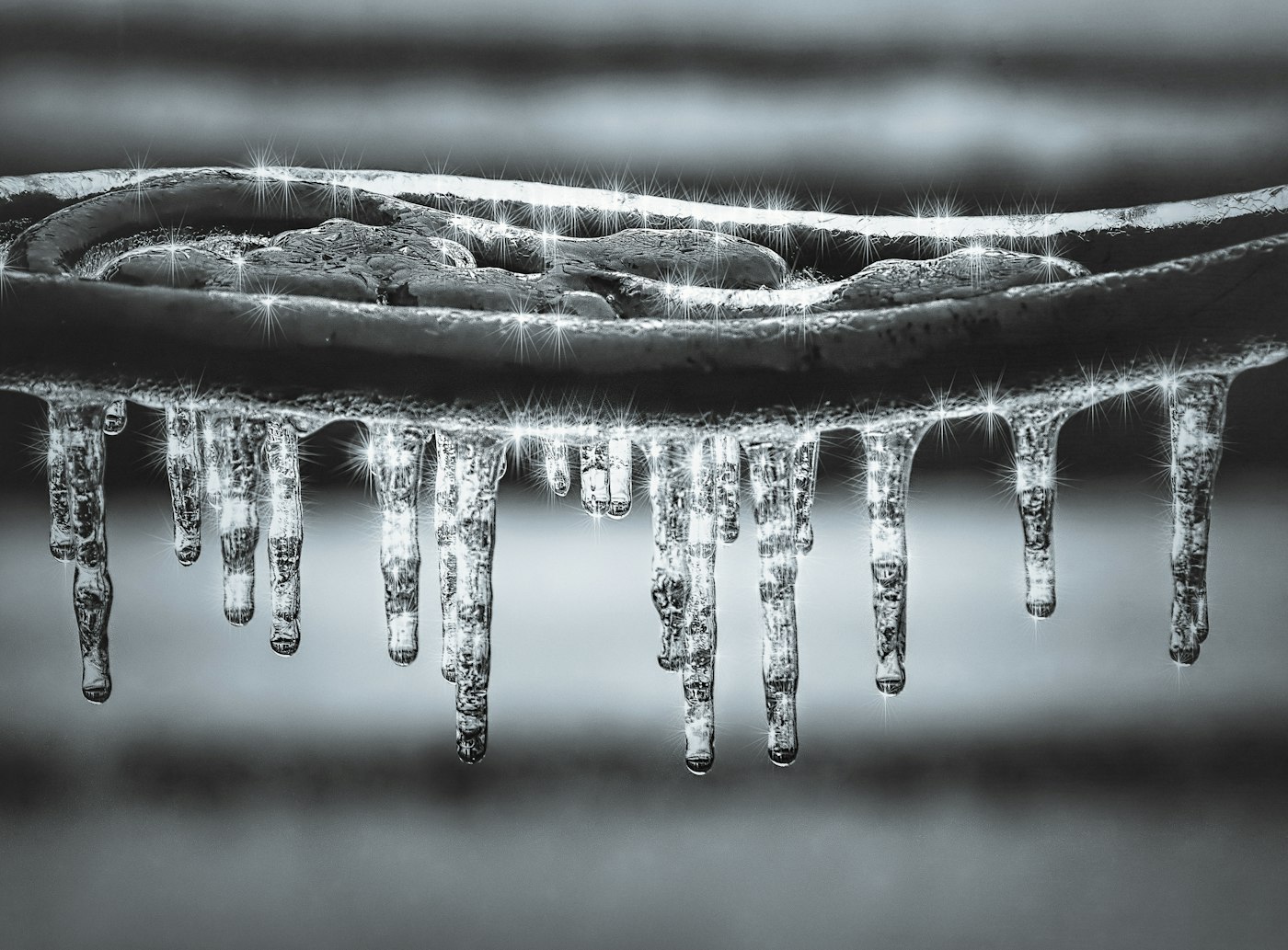
Water expands on freezing, near nine to ten percent by volume, with force that pays no attention to what contains it. In a crack tip, the expansion advances the crack; under a coating blister, it lifts the edge further; inside a potted assembly’s void, it presses the compound away from the wires it was protecting. The pressures involved embarrass intuition, which is why masonry spalls, why water pipes burst; a product’s seam is no stronger than the plumbing.
The damage is geometric, which makes it diagnostic. Frost wedging favours sharp internal corners, laminate edges, the boundary lines between dissimilar materials, the same places teardown should photograph first. Rounded fillets, sealed edges, homogeneous sections: features that deny the crowbar a purchase read like a checklist written by this method’s survivors. A blister that grew from cycle four’s freeze to cycle six’s is wearing the mechanism’s signature, which is precisely why the photography schedule below ties images to cycle numbers rather than calendar days.
The -10 floor matters less than its crossing. The method needs water solidly frozen where it lies, a condition -10 delivers dependably for ordinary infiltration depths in the time the excursion allows; deeper cold would add little, since the crowbar’s force comes from the phase change itself; the degrees below it add force on paper only. This is also why specifications that “upgrade” the excursion to -25 in pursuit of rigour mostly buy plant cost; the jack was already fully extended at -10.
The pump that never tires
Melt, refill, refreeze: the swing converts a one-time expansion into a ratchet, the mechanical equivalent of compound interest collected in ice. Each warm phase clears the ice; each wet phase tops up the reservoirs the last freeze enlarged; each freeze works with a slightly larger charge in a slightly weaker structure, three small certainties compounding on a fixed schedule.
This pumping is what the cycle count purchases. One freeze proves a product can survive an icy morning; ten cycles with distributed freezes prove the structure resists progressive wedging, a different claim, a harder one, the one the method was written to test. Failure curves under the ratchet bend sharply in the late cycles, silent through six, visible at eight, undeniable at ten, which is the shape that justifies the programme’s length.
Why this beats running two tests
A laboratory could run damp heat for a week, move the specimen to a freezer, then call the sequence equivalent. It is not. The transfer dries the product, the single freeze meets less water in shallower places, the ratchet never engages; the sequence tests two survivals separately while the composite tests their interaction. Minutes of room air between chambers undo days of careful loading, which is the entire argument in one logistics detail.
The interaction is the field reality for whole categories of equipment: vehicle exteriors that soak by day, freeze by night, in shoulder seasons, outdoor telecom on cold-morning coastlines, agricultural electronics wintering in unheated barns. Their failures arrive through the ratchet, so their qualification needs the ratchet. Field returns from these categories read like the method’s syllabus, lifted lacquer, delaminated lenses, housings cracked along their mould lines, every one a frost-wedge signature.
The method in one line
Wet it deep, freeze it tight, repeat until something confesses.
What fails here that passes elsewhere
Coatings, encapsulants top the casualty list. A conformal coat with invisible pinholes passes electrical test dry, passes damp heat with minor leakage, then delaminates in sheets once ice forms beneath it; the composite cycle is the recognised examiner of coating adhesion against trapped moisture. Coating engineers who watch their first Z/AD teardown rarely argue with the method again; the lifted film maps the pinholes nobody could see.
Laminates, fibre composites follow. Water wicking along glass fibres freezes into lens-shaped inclusions that pry plies apart, a mechanism printed circuit boards meet as measling, as delamination, at the edges trimmed during manufacture. Routed slots, V-scores, any cut that opens fibre ends to the workspace are the entry gates; boards whose edges were sealed at design time walk past this entire failure class.
Sealed optics close the list, instruments of every sealed kind with them: any housing whose breathing pulls humid air past a marginal gasket grows internal condensation in the wet phases, then frost flowers on lenses, on mirrors, in the cold ones, with each thaw redistributing the water further inside. The composite cycle finds these designs in days; service finds them in the first autumn, at warranty rates, with photographs taken by unhappy customers in place of laboratory technicians.
A chamber built for both climates
The machine behind this method holds two specifications at once: a humidification system with the authority of a damp heat chamber, with refrigeration able to take the loaded workspace from a wet +65 down to -10 within the cycle’s allotted hours. Neither half may be an afterthought bolted to the other.
The descent through the dew point is where the engineering concentrates. As the chamber cools, its own air dumps moisture on every cold surface, the evaporator first; frost accumulates exactly when refrigeration needs its coil clean. Designs answer with staged dehumidification on the way down, generous coil surfaces, defrost strategies that spend their time outside the soak-critical windows. Coil reserve is the line buyers never think to ask about; makers who volunteer it have lived through the alternative.
Water management runs the whole day differently from a pure damp test. The machine must raise steam for the climbs, harvest condensate during controlled descents, shed frost after freezes, then return to steam within the same 24 hours, a plumbing rhythm that separates genuine composite chambers from damp heat machines with optimistic brochures. The tell at inspection is the water circuit drawing: a real Z/AD machine routes steam, condensate, defrost melt, as three planned flows; the pretender shows one drain, one hope.
Taking the workspace through zero
The crossing demands control discipline. The standard’s rates keep the descent inside familiar limits, yet the thermal load is anything except familiar: the workspace’s accumulated moisture surrenders latent heat as it condenses, then more as it freezes, so the plant pushes through a load peak precisely at the crossing.
Undershoot rules apply at -10 exactly as at any floor, with the band symmetrical; a chamber that plunges to -15 has run a different test on whatever water had not yet frozen, with the overshoot stamped permanently into the only trace the certificate can cite. The crossing also deserves its own probe attention, since the latent plateau can hold a wet specimen at zero long after the air has moved on, a lag the soak clock must respect. The approach benefits from the staged technique the simpler methods teach, with the final degrees taken deliberately.
Recovery from each freeze reverses the path through the same latent-heat toll. Programmes that allot generous transition time per the standard’s shape, declining to race the clock, keep the specimen inside the intended history, which is the entire point of running a defined cycle. A composite run finished early is not efficient; it is a different test wearing the right name.
The latent heat bill
Composite descents carry an invoice plain cooling never sees. Lowering dry air costs the plant its ordinary sensible load; lowering this method’s saturated workspace adds the latent charges, heat surrendered as vapour condenses, then more as condensate freezes, each kilogram of airborne water billing the refrigeration twice on its way to frost.
The numbers shift the design point. Water’s condensation releases on the order of 2,500 kilojoules per kilogram, its freezing several hundred more, so a workspace that entered the descent humid presents a load spike no dry-rated plant anticipated. Machines sized by dry pull-down curves stall exactly here, stretching the crossing until the cycle’s shape breaks. The stall is visible in any honest trace as a shoulder near zero, the plant grinding through the phase change while the schedule slides.
Specification language follows the physics: descent performance for this method gets stated from the wet condition, +65 at full humidity down through zero, on a loaded workspace, as one continuous demonstrated curve. A maker fluent in the latent bill quotes it that way unprompted, which is itself a qualification signal that deserves a column in the comparison sheet.
The same bill explains the method’s defrost choreography. Every gram the descent parks on the coil must leave before the next wet phase needs that surface, so defrost capacity is sized to the cycle’s own water budget; a generic schedule from a catalogue was written for a different machine in a drier life.
Choosing Z/AD among its relatives
The composite cycle sits in a family of wet methods, with jurisdiction lines that reward respect. Cyclic damp heat owns daily wet rhythms above freezing; the steady damp method owns constant tropical endurance; the change-of-temperature methods own thermal stress with no water in the plot.
Z/AD’s own territory is moisture that freezes in place. The selection question is one sentence long: does the product’s service history include being wet at the moment frost arrives? Outdoor shoulder-season life answers yes; heated-interior life answers no; the answer routes the specification. Writing the question itself into the test-selection procedure spares every future programme the same meeting.
Mixed portfolios resolve by exposure; convenience makes a poor routing rule for qualification. A connector family serving cabin, serving exterior, splits its qualification, the cabin variant to damp heat, the exterior to the composite, since one certificate stretched across both lives describes neither honestly. The split costs a second campaign; the stretched certificate costs a warranty season, then the meeting where somebody explains it.
Mixed loads, uneven dew
Loading several specimen types into one composite run invites a subtle distortion. Condensation forms by thermal lag, so heavy items drink deeply each climb; light ones stay nearly dry; ten cycles later the castings have run the full mechanism while the plastic housings beside them experienced a milder test wearing the same certificate.
The honest options are separation or compensation: group runs by thermal mass, or add dummy mass to light specimens where the procedure permits, so every item meets dew on comparable terms. The run plan records which path was taken, with the grouping logic written down once so the next campaign inherits a rule in place of a memory.
The same physics argues against crowding. Each added item bends airflow, shifts lag patterns; a composite chamber loaded like a delivery van produces ten different private tests, none of them matching the standard’s. Spacing rules from the mapping report apply here with extra force, since this method’s physics punishes crowding twice, once in airflow, once in dew.
Reading the wreckage
Instrumentation leans visual, leans dimensional. Photographs at fixed cycle points catch blisters mid-growth; dimensional checks find lifted edges, bowed covers; electrical monitoring through the freezes catches the intermittents that ice-bridged cracks produce then hide after thaw. An intermittent logged at minute forty of cycle seven’s freeze, gone by the warm phase, is the mechanism caught in the act, evidence that outweighs any post-test resistance table.
Teardown follows the geometry of the mechanism: corners, edges, material boundaries, everywhere the crowbar prefers. Sectioning one sacrificial specimen along its worst seam, where the programme can spare it, turns suspicion into a cross-sectional photograph. The cyclic damp methods’ prompt-teardown rule applies doubled, since melting erases the ice evidence while leaving only its mechanical signature behind.
Rehearsing the profile before the specimens arrive
Composite programmes reward one piece of stagecraft the simpler methods can skip: a full empty rehearsal of the profile before any specimen enters the workspace. The controller programme for ten days of swings, holds, designated freezes, their transitions too, carries dozens of segments, every one a chance for a wrong endpoint, a wrong rate, a hold counted in minutes where the plan said hours. An empty run of one complete cycle, the first freeze day added, surfaces these clerical failures while they cost electricity; discovering a mis-programmed freeze on day six of a loaded run costs the campaign.
The rehearsal also hands the laboratory its reference trace, the curve the loaded run gets compared against. Differences separating the empty rehearsal from the loaded reality measure exactly what the load does to the machine, information that sharpens the next quotation for similar work. One day of rehearsal per new profile is cheap tuition; programmes that institutionalise it stop having first-night surprises in front of paying specimens.
Five ways a composite test gets failed
The first failure is the dry freeze: a chamber whose wet phases under-deliver humidity sends little water inside, so the cold excursions arrive with nothing to expand. The trace looks compliant on temperature; the mechanism never ran. RH through every climb is the audit line, read against the rehearsal trace where the laboratory keeps one.
The second is the schedule shuffle, rearranging which cycles carry freezes to suit a weekend, which changes how much loading precedes each one. The distribution is part of the method; the standard’s calendar, never the laboratory’s, decides it. Programmes that genuinely cannot staff the published distribution change their booking dates; they do not edit the method.
The third is the transfer impulse: outsourcing the cold phase to a separate freezer when the main chamber struggles. The move drains the workspace’s moisture history at the door, breaking the ratchet the test exists to run.
The fourth is frost starvation of the plant, descents attempted with a coil already iced from careless defrost scheduling, stretching the crossing until the cycle’s shape distorts. The machine’s own maintenance is part of the method’s validity; a coil log kept beside the test log lets an auditor confirm both machines, the specimen’s, the laboratory’s, ran the programme intended.
The fifth is patient-less paperwork: certificates issued on temperature traces alone, with no photographs, no dimensional record, no teardown. This method’s verdicts live in physical evidence; a file without it documents a schedule, never an outcome. The fix costs a camera, a caliper, a teardown hour, the cheapest instrumentation on the entire programme.
Auditing a composite report from outside
A reader who never saw the run can still test its honesty in four looks. The RH channel through every climb, full, unbroken, proves the wet phases loaded the specimen; the freeze days’ positions matching the standard’s distribution proves nobody shuffled the calendar; one continuous trace across all ten days proves the specimen never left the box; the photo series with cycle numbers proves the evidence grew where the mechanism says it should.
Reports that survive the four looks tend to survive everything else. Reports that fail any one of them have a story to tell; procurement teams who learn this four-line audit stop paying for schedules dressed as tests, which makes the skill one of the cheaper acquisitions in a quality career.
Reading the clause into a purchase
A chamber bought for Z/AD work answers four hard lines. Combined authority: documented capability to run the full composite profile loaded, the wet plateaus at specification, the -10 floor reached on schedule, shown as one continuous trace from a witnessed run. Separate damp heat certificates stapled to cold ones answer a different question; this line asks for the marriage, on paper, working.
Dew-point passage engineering: how the machine manages moisture on descents, its dehumidification staging, coil reserve, defrost windows, answered in design terms, with drawings on the table; a brochure’s silence on this page is itself an answer.
Water systems on the damp heat standard’s terms, demineralised feed, humidifier service access, condensate routing, since the wet half of this machine works as hard as any pure damp chamber’s, then hands its moisture to a refrigeration plant that must freeze what the humidifier raised, a relay no single-purpose machine ever rehearses.
Instrumentation provision for the method’s visual evidence: a window sized for photography of the loaded workspace, positioned for it too, lighting that survives the climate, ports for the dimensional jigs, with channel count following the same generosity every sibling method has already justified. One further nicety repays itself: interior lighting controllable from outside, so the fixed-point photographs come out identical in exposure across all ten days.
The conspiracy, supervised
A compliant composite test lets three mild stresses do organised damage: water sent deep on warm wet days, frozen into a crowbar on the appointed cold ones, pumped deeper by every swing between. The chamber that runs it is two machines sharing one discipline; the standard is the choreography that keeps the conspirators on schedule; the file of photographs, dimensions, traces is the confession the ten days were arranged to obtain. Products built with this script in mind, drained, filleted, sealed at the fibre ends, sit through all ten days with nothing to confess, which was always the better way to pass.
Questions laboratories ask about the composite cycle
What conditions does Test Z/AD combine?
A cyclic damp heat rhythm, swings between roughly +25, roughly +65 degrees, at humidity near 93 percent, with excursions to about -10 degrees inserted on the cycles the standard designates, across a customary ten 24-hour cycles. The wet phases load the product with moisture; the freezes solidify it where it sits; the repetition ratchets the damage. Severity lives in the combination’s order, never in any single number, all of which sit gently beside the dedicated single-stress methods. The profile’s authors traded peak severity for interaction on purpose; the trade is the method.
Why include sub-zero excursions in a damp heat test?
Because freezing converts infiltrated water from a slow corrosive into an immediate mechanical force. Ice occupies roughly a tenth more volume than the water that formed it, so every filled seam, pore or void becomes a jack that pries the structure around it. Damp heat alone never produces this attack; cold alone finds no water inside a dry product. The combination examines a failure mechanism, frost wedging of absorbed moisture, that belongs to neither parent method. Products meet it in the field every shoulder season; the laboratory version merely keeps the appointment indoors.
What products need the composite cycle?
Anything that gets wet then freezes in service: vehicle exteriors, lighting, through shoulder seasons, outdoor telecom, energy equipment on frosty coasts, agricultural, construction electronics wintering outdoors, aviation gear cycling through cold soak after humid ground time. The shared profile is moisture exposure with real day-night frost, which is precisely the history the ten-day programme compresses. Indoor products in conditioned spaces rarely justify it; their water never freezes. Border cases, loading docks, unheated stairwells, vehicles parked overnight, get decided by the service file’s coldest wet morning, never by the product category’s name.
Can a damp heat run followed by a separate freezer replace this test?
No. Moving the specimen dries it during transfer, the single freeze meets less water in shallower positions, the melt-refill-refreeze ratchet never engages. The composite method’s mechanism depends on freezing the product wet, in place, repeatedly, with the humidity history unbroken; a sequence of separate tests examines two unrelated survivals. Equivalence claims between the two collapse at the first coating failure investigation, where the field part shows wedge damage the substitute sequence never reproduced.
What makes a composite chamber harder to build than a damp heat chamber?
The dew-point passage. Each programmed descent drives the workspace’s moisture onto the coldest surfaces, the evaporator first, so refrigeration must push through condensing then freezing loads exactly when frost threatens its coil hardest. Add the requirement to return to full steam humidification within the same day; the machine then needs dehumidification staging, coil reserve, defrost windows, water plumbing, engineered as one system, which is the gap separating a true composite chamber from a damp heat cabinet with a low setpoint on its dial. The acceptance question that exposes the gap is one continuous loaded run of the full profile, witnessed, with the trace handed over.
What evidence should a composite test report contain?
The continuous trace across all ten cycles, photographs at fixed cycle points showing surfaces as damage develops, dimensional checks on edges, on covers prone to lifting, electrical monitoring through the freeze phases where the product operates, a prompt teardown documented against the mechanism’s favourite geometry, corners, edges, material boundaries. Temperature paperwork alone certifies a schedule; this method’s verdicts are physical, so the file must be too. A reviewer should be able to watch the damage develop across the photo series without reading a single number.