MES Integration For Automated Environmental Test Chambers

No order, no run
No recipe runs without the order behind it.
What an MES is, in one breath
A manufacturing execution system is the software layer that sits between the planning world and the shop floor, below the system that decides what to build and above the machines that build it. Its job is to run the floor in real time: to dispatch work orders to the right station, to track every lot as it moves, to enforce the route a product must follow, to collect what each step measured, and to keep the genealogy that says which materials and machines and conditions made which unit. A chamber joined to it is no longer a standalone instrument but one of those tracked, dispatched, recorded stations the floor's memory accounts for.
What the link does on the line
The value of the link is easiest to see by following one lot through it. The work order arrives at the chamber as a structured message rather than a sticky note: this lot, this recipe, this many units, due here. Before anything starts the checks fire on both sides, the host confirming this lot is released by quality and routed here while the chamber confirms the recipe matches the product and that its own calibration is current, so a lot that has not cleared, a recipe that does not belong to the product, or a box overdue for calibration is stopped at the door rather than discovered after a wasted soak. Once the checks pass, the chamber loads the named profile, confirms back to the host which recipe and which version it truly holds, and begins, and from that moment it narrates itself: it publishes the moment it starts, the moment each phase changes, the moment it finishes, and any alarm in between, so the host always knows where this lot is without anyone walking over to look. While it runs, it is logging the conditions the units truly meet, not the set points it was asked for but the temperatures and times the sensors recorded, and when it ends it does not wait for a technician to copy numbers into a spreadsheet. It uploads the result for every unit, the pass or fail, the bin, the measured values, the as-run conditions, and the timestamps, and the host files each one against that unit's own genealogy, so the part now carries, in the factory's memory, the exact history of the stress it survived. The whole transaction takes the human out of the two places a human is likeliest to err, choosing the recipe and recording the result, and it does so for every lot of every shift without tiring or guessing. What was a box someone operated becomes a participant in the line's own bookkeeping, dispatched to and reporting back like any other station, and the factory gains something it cannot get from a chamber run by hand: certainty about what ran, under what conditions, with what outcome, written down as it happened.
The protocols that carry it
The link rides on whatever language the two sides agree to speak. A simple chamber may expose its state over Modbus, a plain map of registers a host reads and writes; a modern one speaks OPC-UA, which carries not just numbers but their meaning and a layer of security, so the host knows that this value is a chamber temperature and that one is an alarm state. In a factory built on a publish-and-subscribe backbone the chamber may push its events over a lightweight broker that fans them out to whoever is listening, though the broker only moves the messages and the two sides still have to agree on what each payload means.
In the semiconductor world the language is older and stricter, the SECS and GEM standards that have governed equipment-to-host talk for decades, with their own state models, collection events, and remote commands baked in.
A register is a shared language
A register map is only a language two machines have agreed to speak, and nothing more.
The adapter that does the translating
A chamber rarely speaks the host's language natively, so a small piece of software sits at the edge between them and does the translating, reading the chamber's registers or its native protocol and presenting them to the host as the events and variables the host expects to see. This adapter is where a generic box is married to a specific factory, and getting it right is the bulk of the integration work, since the chamber and the host each arrive with their own idea of what a lot, a recipe, and a result should be called, and someone has to map one vocabulary onto the other before a single message means anything.
Recipe management, no wrong profiles
The single richest reason to wire a chamber to the host is to take the recipe out of the operator's hands. The host owns the library of profiles and their versions, hands down the one the work order calls for, and the chamber confirms which version it loaded, so the line cannot run last month's profile on this month's product or a draft recipe that was never approved. The same link lets a corrected recipe reach every chamber at once, rather than waiting for someone to walk a USB stick from box to box.
The state model the host watches
For the host to track a lot it has to know what the chamber is doing at every instant, and that comes from a state model both sides share. The chamber declares itself idle, loaded, running, soaking, complete, or in alarm, and it announces each change as it happens, so the host's picture of the floor is built from events the equipment reports rather than from guesses or from someone phoning it in. A chamber that cannot say which state it is in cannot be scheduled, only watched.
Traceability is the payoff
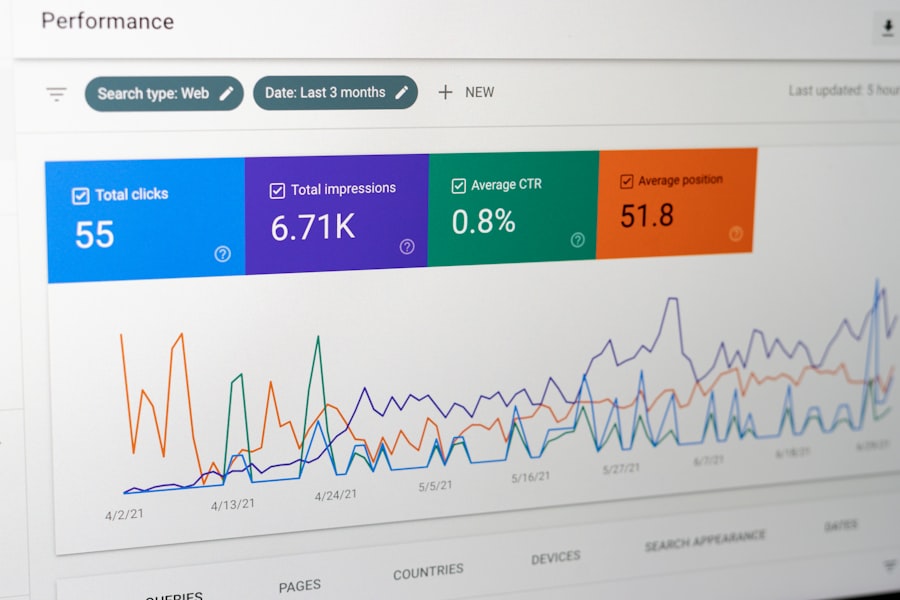
The reason a factory pays for the integration is the record it leaves behind. Every unit is tied through its serial or its slot to the recipe it ran, the chamber that ran it, the conditions it met, and the moment it met them, and that bundle is kept as the unit's own history rather than as a line in a shared logbook. The record is built as the work happens, not transcribed afterward, so there is no gap between what occurred and what was written.
The payoff comes years later, when a part fails in the field and someone has to ask what else shares its fate. With the genealogy in hand, the factory can name every unit that ran in the same chamber on the same recipe in the same window, and quarantine exactly those, rather than recalling a whole quarter because no one can tell the good batches from the suspect ones.
The same record feeds the slower work of making the line better, since the conditions and outcomes of millions of units, gathered automatically, are the raw material a yield engineer mines for the pattern that says one chamber drifts warm or one recipe screens too hard.
Interlocks, the start it will not allow
The link is as much about what it forbids as what it permits. A host that knows the lot, the recipe, and the chamber can refuse a start that a busy operator might wave through: a lot not yet released by quality, a recipe that does not belong to this product, a chamber overdue for calibration or still under a maintenance hold. Each refusal is a mistake that never reaches the product, the kind of guard that earns its keep on the night a tired hand would otherwise have started the wrong run.
No hands, no typos
The safest data entry is the kind no one has to make.
Result upload and what it feeds
The verdict does not stop at pass or fail. The chamber sends up the bin each unit fell into and the values behind it, and those numbers flow on into the systems that watch the line as a whole, the charts that track yield by hour and by recipe, the alarms that trip when a failure rate climbs, the dashboards a supervisor reads. A result that stayed inside the chamber would tell no one anything; uploaded, it becomes a point in the picture the factory steers by.
Why doing it by hand does not scale
A single chamber and a patient technician can manage without any of this. A line running them by the dozen, around the clock, cannot, because the act of choosing a recipe by hand and writing a result on paper is both too slow to keep the cadence and too easy to get wrong, and a single mistyped lot number can poison a day of traceability. The integration exists because volume turns small human errors into expensive ones.
One host, many chambers
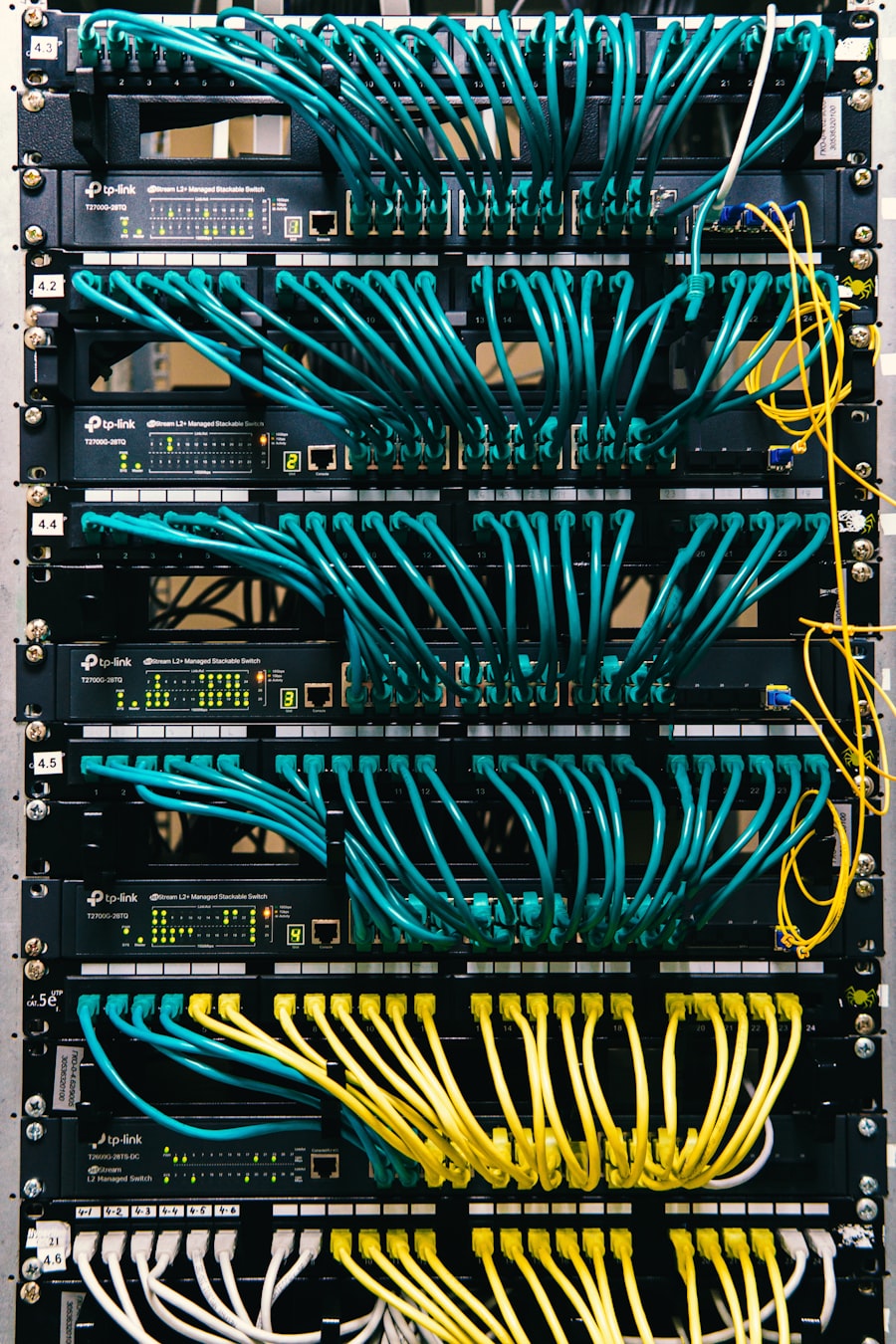
The integration rarely involves a single box. A bank of chambers reports to one host that treats them as a pool, sending each lot to whichever is free and qualified for it, balancing the load so the line never queues behind a busy chamber while an idle one waits. The host is the conductor that makes a row of identical boxes act as one flexible station, and adding a chamber to the pool is a matter of telling the host it exists rather than rewiring the line.
When the network drops
A link that only works when the network is perfect is no link at all. A chamber in the middle of a soak when the connection drops cannot abandon the units inside it, so a well-built integration lets the box keep running its loaded recipe on its own, hold its results in a local buffer, and hand them up in order once the host is back, so a dropped connection costs no data as long as the buffering and the acknowledgements are built to match each result to its lot exactly once. The line can rely on a chamber that rides out a network hiccup without dropping a lot on the floor.
The handshake, step by step
Stripped to its bones, the conversation is a short sequence repeated all day. The host offers a lot and a recipe; the chamber checks them and either accepts or refuses with a reason; the robot loads; the chamber confirms it is ready and runs; it reports each milestone as it passes; it finishes and uploads the per-unit results; the host acknowledges, releases the lot to its next step, and frees the chamber for the next order. Every step is a message with a sender, a time, and a meaning, and the discipline of that exchange is what lets a machine and a factory work together without a person standing between them.
The link itself has to be trusted
On a regulated line the connection carries more than convenience. The recipe that came down, the result that went up, and the record of who changed what all have to be as defensible as anything in a paper batch record, so the link is built with the same care as the chamber: authenticated, version-controlled, and validated, so an auditor can be sure that the number the host stored is the number the chamber sent. A sloppy link would put every clean reading it carried into doubt.
The chamber on the network
An integrated chamber stops being a thing an operator visits and becomes a node the factory reasons about, dispatched to, listened to, and held accountable like any other station on the floor. It still has to hold its climate honestly, since the finest integration cannot rescue a soak run at the wrong temperature, but on top of that physical duty it carries a second one: to speak the factory's language clearly enough that the line always knows what it ran and what it found.
A chamber the host can rely on, one that runs the right recipe and reports the plain truth, is one the factory can build a whole line around.