Reliability Test Chamber For HBM3 And HBM4 Memory Stacks
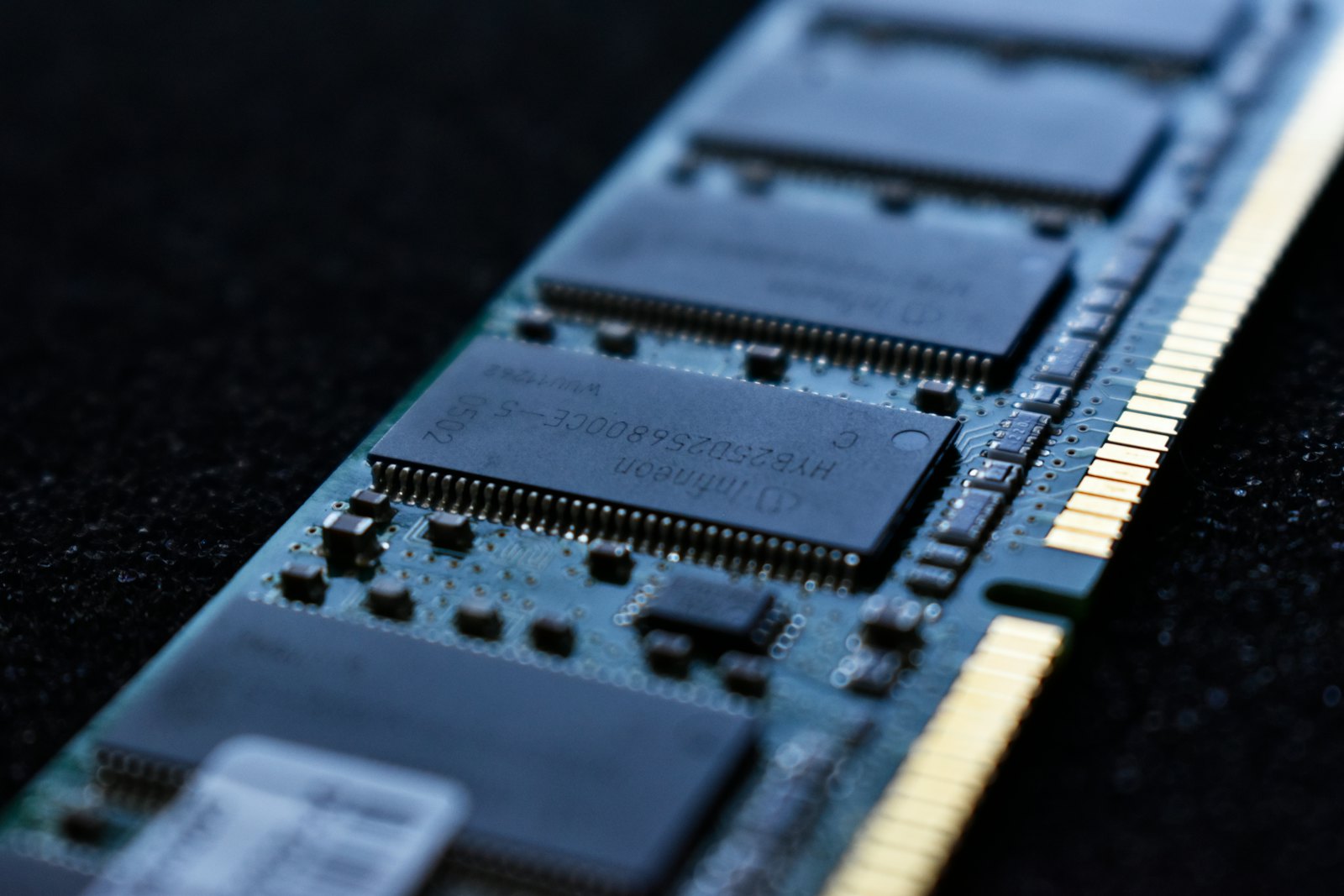
A tower of memory
HBM means high-bandwidth memory. It stacks the DRAM that other chips lay out flat.
What a stack is made of
An HBM part is a stack of thin DRAM dies sitting on a base logic die at the bottom. The dies are ground wafer-thin and bonded one on top of the next, and a forest of through-silicon vias, fine copper channels punched straight down through the silicon, carries signal and power from the base up through every layer, joined between dies by microbumps smaller than a grain of dust.
The whole tower then sits on an interposer beside a processor, so a finished part is many hundreds of dies and many thousands of vertical joints acting as one component, and the reliability question is whether that tower holds together through heat, cold, and damp.
Why a tall thin tower is fragile
The trouble with HBM is that everything which makes it fast also makes it delicate, and the stack fails in ways a flat chip never meets. The dies are ground to a fraction of their normal thickness so the tower can stay short, and thin silicon is brittle and quick to warp; stacked a dozen high and bonded with microbumps and underfill, the whole column bends as a unit when its temperature changes, because the silicon, the copper of the vias, the solder of the bumps, and the underfill between layers each expand by a different amount. When the part heats, those mismatched materials strain against one another at every interface up the stack, and a microbump caught between two dies is stretched and sheared on the way up and worked the other way as it cools, so a joint cracks, an underfill layer peels at a corner, or a through-silicon via pulls at the pad it lands on. Heat makes it worse in a way unique to a tower, since the base logic die at the bottom is the hottest part and its heat has to climb through every die above it to escape, leaving a steep gradient from a scorching base to a cooler top that strains the stack even when the chamber air is uniform. Moisture adds its own attack, creeping into the underfill between layers and along the via channels, swelling the polymer, weakening its grip, and flashing to steam if a wet stack is heated fast, so the chamber has to bring temperature and humidity to the whole tower slowly and evenly, holding the top and the base at one point at one moment, since a box that warms one die ahead of another bends the stack on its own and writes a stress into the result that the part would never have met in service, and a single cracked bump or broken via among the thousands can darken a whole channel and take the part down.
Why moisture still matters
Water finds the underfill between the dies and the seams along the via channels, and a tall stack holds more of it and dries more slowly than a single chip. That trapped moisture is what turns a fast reflow or a quick heating into a delamination, and it is why an HBM stack is dried and sealed to a moisture level before it is ever soldered down.
The biased humidity trial
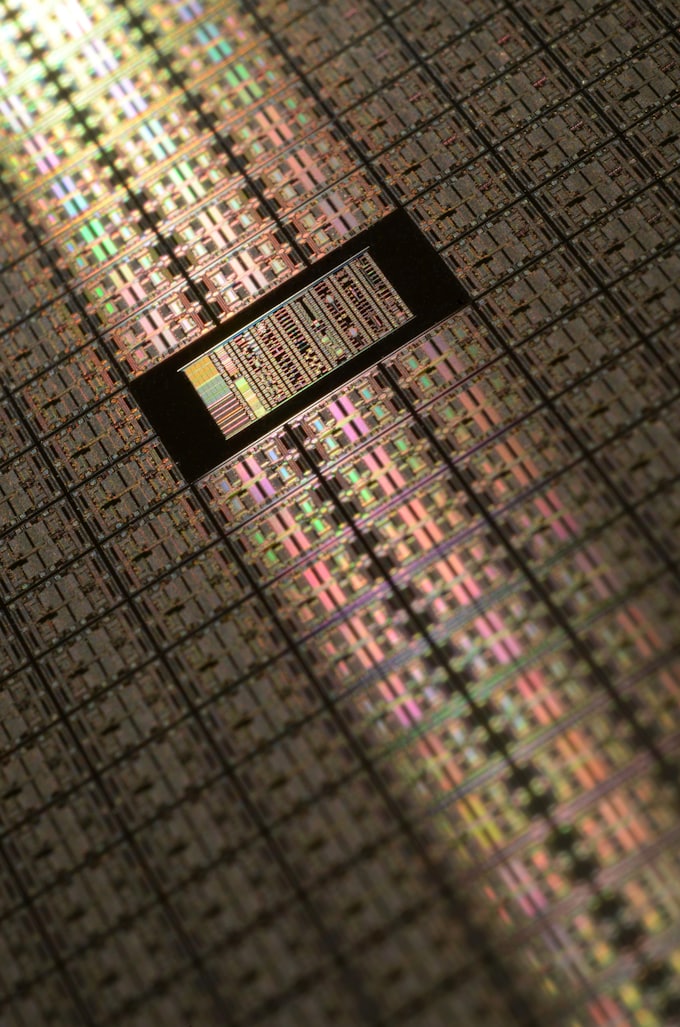
Much of HBM testing is humidity held against the powered part, the biased damp-heat soak that drives moisture and current together. The chamber holds a warm, damp climate steady for a long run, or a pressurised one for a shorter accelerated test, while the stack sits powered on a fixture. Water along the fine via wiring leaks current, corrodes a thin line, or migrates metal across a gap, and the test watches the leakage climb.
The chamber has to hold the climate flat across a large fixture and carry clean bias to a part with thousands of connections, never letting a cold spot condense liquid water onto a powered stack where it would short rather than slowly corrode.
Cycling the tower
The other half is temperature cycling, swinging the stack between a deep cold and a high heat to work the bumps, the vias, and the underfill by expansion alone. The chamber drives the swing on a controlled ramp and holds at each end long enough for the whole tower to reach the set point, since a tall stack lags the air and a die left behind sees a smaller swing than the standard intends.
A qualification may run hundreds to a few thousand such cycles, each one a small turn of the same screw, and a weak joint or a poor underfill edge gives way the same way years of the part heating under load and cooling at rest would take it.
The heat the base cannot shed
A powered HBM stack makes its heat at the bottom, in the base logic die, and that heat has only one way out: up through every memory die above it and out the top, or sideways into the interposer. A test chamber that powers the stack has to carry that heat away steadily and read the temperature the dies truly reach rather than the air alone, since a stack left to cook in its own warmth meets a harsher swing than the recipe names, and one cooled too aggressively meets a milder one.
The stack carries temperature sensors on its base die, and a chamber built for powered HBM reads those rather than the air, trimming its cooling to hold the hottest layer at the set point instead of the empty space around the tower.
Holding the climate even around the tower
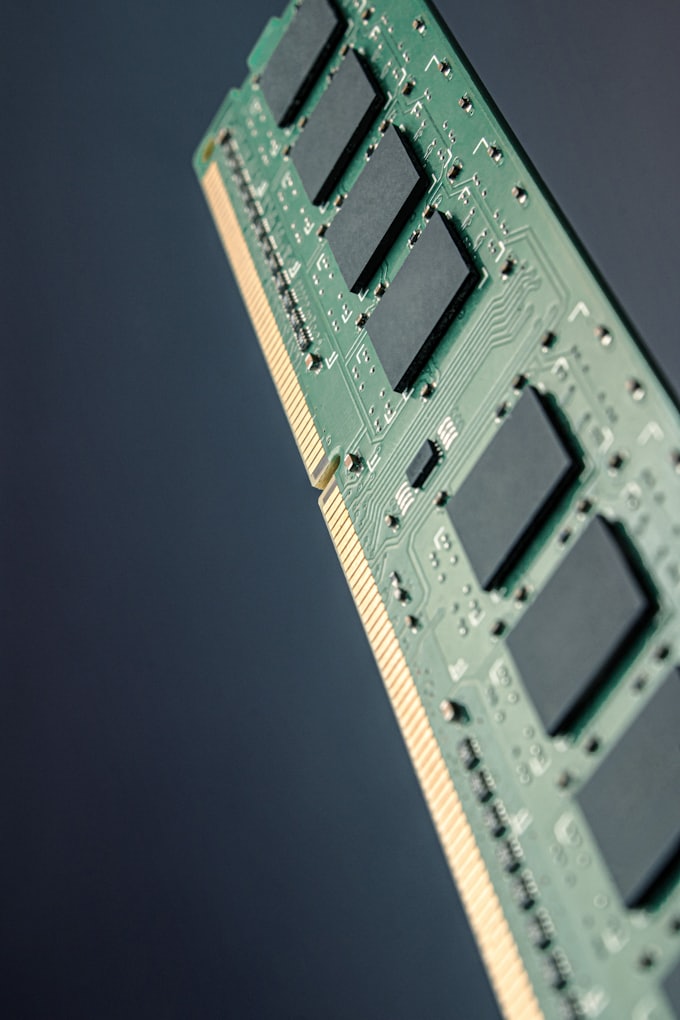
A stack magnifies any unevenness in the chamber. If the air moves faster over one face, that face heats, cools, or dries ahead of the rest, and the reading becomes a verdict on the chamber. The chamber has to move its air gently and evenly, hold its temperature and humidity uniform across the whole working space, and give the load the time it needs to settle, so the die at the top of the stack feels the same climate as the base.
One broken channel is the whole part
Sixteen good dies cannot save one bad joint.
Reading the stack after
After the run the stack is judged. Electrical tests walk every channel for an open via or a leaking line, acoustic imaging looks through the tower for a delamination between dies or a lifted underfill edge the electricals have not yet caught, and a cross-section can confirm a cracked bump deep in the stack. A part that holds its channels and shows no delamination passes; one that has opened, leaked, or delaminated points back to the via, the bump, or the warpage that let it move.
Where it sits among the tests
HBM reliability leans on the same family of trials as any package, the damp-heat soak, the biased humidity run, the accelerated pressurised test, and the temperature cycling, but it asks more of each because the body is so tall, so thin, and so densely joined. The chamber earns its place by holding those climates steady and even around a part that punishes any drift, and a lab building stacked memory leans on it to tell a sound tower from one that will work itself apart in service.
Known-good-die, the price of a tower
Stacking magnifies every defect, so an HBM tower is built only from dies already proven good. A flat chip that fails simply gets thrown away; a die that fails after it has been stacked takes the whole expensive tower with it, all the good dies below and above it wasted. Each DRAM die is proven good before it joins the stack, and the base logic die carries built-in test circuits that reach up and exercise every layer once the tower is assembled, walking each through-silicon via and each channel before the part is called finished.
The reliability run then has to confirm that a stack which passed those checks cold still holds together once heat, cold, and damp have worked it.
Drying the tower before the run
Before any humidity work the stack is baked to drive out whatever water it has already taken up, so the run starts from a known dry state. A tall stack of thin dies, with underfill between every layer, drinks moisture across a large hidden area and gives it up slowly, so the bake runs longer than a single chip would need and the part is held sealed with a desiccant until it enters the chamber.
The time it spends in open room air is counted, because a stack left out too long carries water the test would mistake for its own.
The interposer underneath
An HBM stack rarely stands alone; it sits on a silicon interposer beside the processor it feeds, wired to it by the same fine traces that link a logic die to its memory in advanced packaging. That means the stack is tested both on its own and as part of the larger assembly, and the chamber may hold a whole module, stack, interposer, and processor together, so the climate has to stay even across a body far wider than the tower itself.
A gradient across that module bends the interposer and strains the joints where the stack meets it, the same failure the tower fears, only one level down.
The tower that has to hold
A flat chip forgives a chamber that runs a touch uneven; an HBM tower does not, since its height turns a small gradient into a real bend and its thousands of joints mean one failure is enough to lose it. A chamber for this work keeps heat, cold, and damp even across a tall, thin body and moves between them slowly, so the stack meets only the stress its own materials make.
Get that right and the tower that comes through clean is one that will carry its channels through years of heating and cooling; get it wrong and a crack waits inside a part that cost a small fortune to stack.