Moisture Sensitivity Level MSL Chamber Per JEDEC J STD 020

What the level means
The moisture sensitivity level is a rating, one through six, of how much moisture a nonhermetic surface-mount package can take up and still survive reflow soldering without cracking or delaminating. A level one part is unbothered by humidity and can sit on the open factory floor indefinitely.
A level six part is so sensitive it must be baked dry immediately before it is soldered. The numbers between mark the steps from one extreme to the other, each with its own soak and its own floor life, and J-STD-020 is the standard that defines them all and the test that assigns them.
Floor life, the number it sets
The level matters because it sets the floor life, the time a part may spend exposed to ordinary factory air before it must go through reflow or be re-dried. That clock starts the moment the sealed dry bag is opened. Level one carries unlimited floor life. Level two allows a year, level two-a four weeks, level three a hundred and sixty-eight hours, level four seventy-two, level five forty-eight, and level five-a twenty-four. Level six allows no floor life at all and demands a bake before every use. Those hours are counted at a reference factory condition near thirty degrees and sixty percent humidity. A part left out past its limit is no longer safe to solder until it has been baked dry again, and a more humid floor eats the budget faster than the reference assumes.
Why the moisture is dangerous
The danger is not the moisture itself but what reflow does to it, and the failure has a name that fits: popcorning. A plastic-packaged part is not sealed against water; its moulding compound slowly drinks moisture from the air, and that water spreads through the plastic and gathers at the interfaces inside, along the die surface, around the lead frame, wherever two materials meet. While the part sits at room temperature the water does nothing visible. Then the board goes through the solder reflow oven, and the whole package is heated to well above the boiling point in a couple of minutes. The trapped water flashes to steam all at once, and because it cannot escape fast enough through the dense plastic, its pressure builds inside the package until something gives: a delamination peels the compound off the die or the lead frame, an internal crack opens, or in the worst case the package visibly bulges or splits with an audible pop, the sound that named the failure. Even when nothing shows on the outside, the internal delamination it leaves can sever a bond or open a path for later corrosion, so a part that looked perfect going into the oven comes out quietly ruined. The whole MSL scheme exists to keep that from happening on a real line, by measuring how much moisture a given package can take up before reflow turns it against itself, and by setting the floor life that holds the part below that limit.
The soak that assigns the level
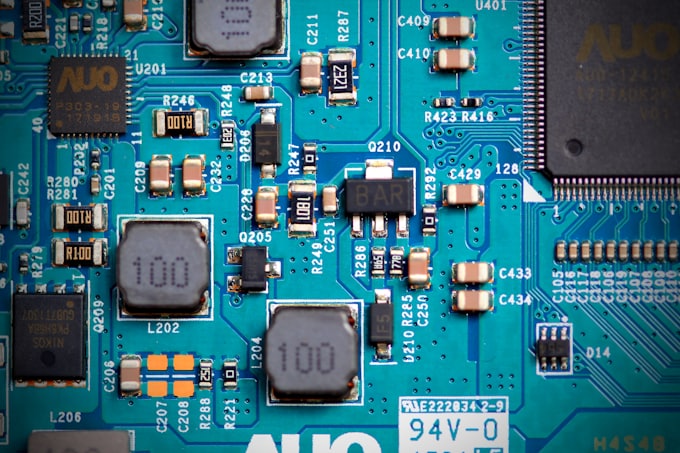
Assigning a level is a controlled experiment, and the humidity chamber is its heart. Parts are first baked bone dry to a known starting point, then placed in a chamber held at the soak condition for the level under test and left to drink moisture back in for the prescribed time. What the chamber must do is hold that temperature and humidity exactly and steadily for the whole soak, since the amount of water a package absorbs depends directly on the condition it sits in.
A chamber that drifts a few degrees or a few percent loads a different dose than the level calls for, and the level it then assigns is wrong. The soak is the step that decides everything downstream, so its precision is the precision of the whole classification.
Standard soak or accelerated
J-STD-020 offers two ways to reach the same dose.
The standard soak holds the part at a moderate condition for a long time, the slow, faithful path that mimics real storage. The accelerated soak uses a hotter, wetter condition for a shorter span, deemed to load the package to the same moisture as the long soak would.
A lab picks the one that suits its schedule, and the chamber has to hold whichever condition is chosen with the same steadiness, since an accelerated soak that runs even slightly off drives the moisture in faster or slower than the equivalence assumes.
The reflow that puts it to the test
With the moisture in, the conditioned parts are run through a reflow that follows the classification profile J-STD-020 names. The peak temperature is set by the package, not chosen freely. A small, thin package is classified at the hottest peak, around two hundred and sixty degrees, while a large, thick one is classified a little cooler, nearer two hundred and forty-five, because the bigger body heats less evenly and the standard accounts for it.
The thresholds are set by volume and thickness, so the same family of parts can carry different classification peaks as the body grows, and the peak is recorded with the level it produced. Lead-free assembly pushed all of these peaks higher than the older tin-lead profiles, which is part of why the classification was tightened.
Reading whether it passed
After the reflow, the part is judged for the damage the steam may have done. An acoustic scan looks inside the sealed body for delamination, the unbonded gaps that ultrasound reveals, and an electrical test confirms the part still works. A cross-section can confirm a crack the scan only hinted at. If the population comes through the soak and the reflow without the delamination or cracking the standard forbids, the part earns the level it was tested at; if it fails, it is classified at a more sensitive level with a shorter floor life.
What the chamber has to hold
The chamber at the centre of all this is unglamorous and exacting. It holds a set temperature and humidity within tight bounds across a soak that can run for days, recovers quickly when the door opens to load or unload, and keeps the condition uniform so every part on every shelf takes up the same dose. It carries no bias, no pressure, and no fast transitions, the simple opposite of the harsher chambers in the catalogue. Its whole virtue is constancy, and a chamber that holds its soak dead level corner to corner for a week is doing exactly the job the standard asks.
The dry bag and the floor-life clock
Once a part is classified, the rating governs how it is shipped and handled. A moisture-sensitive part travels in a sealed moisture-barrier bag with a desiccant and a humidity indicator card, the card showing at a glance whether the bag stayed dry. When the bag is opened, the floor-life clock for that level begins, and the factory tracks it.
A part that overruns its floor life is not scrapped; it is baked dry on a schedule the standard gives, which resets the clock and lets it go back into the line.
How it ties to preconditioning
J-STD-020 defines the level and the soak; the preconditioning method of JESD22-A113 puts that soak to work. When a part is preconditioned before a reliability test, it is soaked to its rated MSL condition first, so the part entering the test carries the moisture a real assembly would. The two standards lean on the same humidity chamber, one to classify the part and one to age it before further stress, and a lab running semiconductor qualification uses the soak chamber for both, so its precision repays itself across the whole programme.
Where the water goes
Moisture does not sit on the surface; it diffuses into the moulding compound and creeps along the interfaces inside, drawn by the difference between the dry package and the damp air. Given time, the plastic comes into balance with the humidity around it and holds a steady amount of water.
How fast that happens depends on the package. A thin, large body saturates sooner than a small, thick one, and the spots first at risk are the interfaces where the plastic meets the metal of the lead frame or the die pad. The level a part earns reflects how much water those interfaces can hold before reflow turns it to steam.
Baking the moisture back out
A part that has overrun its floor life is not lost. J-STD-020 gives bake schedules that drive the absorbed moisture out and reset the clock, a high-temperature bake of a day or so for parts on heat-tolerant carriers, or a long low-temperature bake for trays that cannot take the heat. The bake is the same dry-out step that begins the classification, used here to recover stock that sat out too long. A factory that tracks its floor life and bakes when needed keeps moisture-sensitive parts safe without scrapping them, and the bake oven sits beside the soak chamber as its opposite number.
Why lead-free raised the stakes
The move away from tin-lead solder reshaped the whole scheme. Lead-free alloys melt higher, so reflow peaks climbed by twenty or thirty degrees, and a package that survived the cooler tin-lead profile could crack at the hotter lead-free one. Many parts were reclassified to a more sensitive level, their floor life cut, because the same absorbed moisture now met a fiercer heat.
The classification reflow temperatures in J-STD-020 rose to match, and that is part of why a part's level is always quoted against the peak it was tested at.
What a wrong rating costs
A level set too optimistically lets a part sit out longer than it should, and the cracks show up not on the bench but as field failures traced back weeks later to a humid afternoon on the line. Set too pessimistically, it forces needless baking and dry storage that slow the factory and waste money. The point of the chamber's precision is to land the rating where it belongs, neither flattering the package nor punishing it, so the floor life printed on the bag is one a factory can rely on.
Pulling it together
J-STD-020 turns a package's appetite for moisture into a level from one to six and a floor life in hours, and a precise humidity chamber is what assigns it. The part is dried, soaked to the level's condition for its time, and run through a reflow whose peak the package size sets, then read for the cracks and delamination the steam can cause. The whole rating rests on the soak holding its temperature and humidity exactly, since a drifting chamber loads the wrong dose and stamps the wrong level.
Get it right and the number tells a factory how long the part may wait before the iron, and a sealed bag and a bake keep that promise all the way to the board.