Stability Test Chamber For Cosmetic And Fragrance Product Shelf Life
What stable means for a cosmetic
Stability for a cosmetic is broader than for a drug.
The product has to keep its look, its feel, its smell, and its safety across its claimed life. An emulsion must not split into oil and water. A colour must not drift or fade. A fragrance must hold its character. The texture has to stay the same on the skin, the preservative has to keep doing its job, and the pack must not leak, swell, or react with what it holds. A stability study watches all of it at once.
A cosmetic fails in ways a customer notices.
Where a drug can fail unseen in its chemistry, a cosmetic often fails where the buyer can see it: a separated jar, a browned lotion, a perfume that smells flat. The stability chamber catches those changes before they reach a shelf.
Failure in plain sight
A cosmetic rarely fails in hidden chemistry. It separates, yellows, or smells flat, and the customer sees it.
The pack is half the product
A formula ages in its own bottle. The chamber tests the filled, sealed pack the buyer will hold rather than the formula in a beaker.
The conditions a study runs
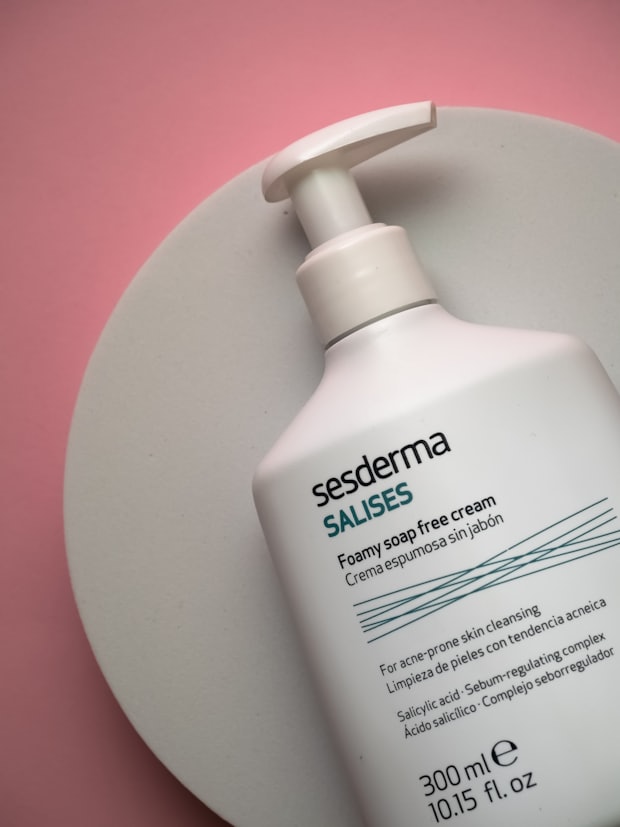
A cosmetic stability study runs the product at several conditions at once.
A set of samples sits at room temperature, around 25 degrees, as the real-time reference. Another set bakes at an elevated temperature, often 40 or 45 degrees, to age faster and flag trouble early. Some go cold, to catch a cream that breaks when it chills, and some cycle between hot and cold to mimic a warehouse or a delivery van.
A humidity setting rides along, since damp air swells a powder and softens a lipstick. The chamber holds each of these steady while the months pass.
Several boxes, or several zones, run together. A brand rarely waits for one study to finish before starting the next, so a cosmetic lab keeps room-temperature, hot, cold, and cycling conditions going side by side, each holding its setpoint for the length of the programme.
Centrifuge first, then the chamber
An emulsion shows its weakness fast under spin.
Before the long chamber runs, a formula often goes through a centrifuge that forces oil and water apart in minutes, a quick screen that kills a doomed emulsion before it wastes months of storage. The chamber then takes the survivors and ages them at temperature, where a separation the spin missed can still creep in over weeks. The two tools work in sequence, the centrifuge for the fast fail and the chamber for the slow one.
Accelerated, and what the heat predicts
The hot samples are the early-warning line, and reading them rests on a simple idea: most of the chemistry that ages a cosmetic runs faster when it is warm, so a few weeks at an elevated temperature stand in for many months on a shelf. A jar held at forty-odd degrees separates and discolours and loses its scent on a clock the lab can actually watch, where the same jar at room temperature would take a year or more to show the same change. The rule of thumb the trade leans on is that the pace of many reactions roughly doubles for every ten degrees of warming, so a study can put a rough multiplier on the wait and call a few months at heat a stand-in for a couple of years in a bathroom cabinet. The catch is that the shortcut is only a guide and not a verdict. Heat speeds some failures and not others; it can melt a wax or thin an emulsion in ways that never happen at room temperature, inventing a fault the product would never meet, and it can miss a slow crystallisation that only the cold brings out. So the accelerated run earns its keep as a fast alarm that flags trouble early and steers the formula, while the real shelf life is still settled by the samples ageing at their true temperature in their own time.
Real-time is the truth
The accelerated runs flag trouble fast, and the real-time samples are what the claim rests on. A product that survives weeks of heat still has to prove it over the actual months or years it claims, so a brand keeps room-temperature samples for the full shelf life and reads them at set intervals. The accelerated work guides the formula and speeds development; the real-time study is the evidence behind the date on the box. A claim made on heat alone, with no real-time backing, stands on a forecast a regulator can question.
Fragrance is its own problem
A fragrance ages by losing its lightest parts first. The top notes, the bright citrus and aldehydes a customer smells on the first spray, are the quickest to leave, small volatile molecules that slip out of the juice and through the closure given a little heat and time. They drift off and leave the heavier base notes behind, so the scent does not simply fade, it shifts shape, growing flat and unbalanced as the structure the perfumer built collapses from the top down. A perfume that smelled fresh in spring can smell heavy and dull by autumn if the formula or the pack let those top notes escape. Stability testing for fragrance watches the scent itself, judged by a trained nose alongside the analytical trace, since a chromatogram can show that a peak has shrunk and still not say whether the perfume smells right. The instrument measures, the nose decides, and a fragrance study needs both.
The pack is part of the product
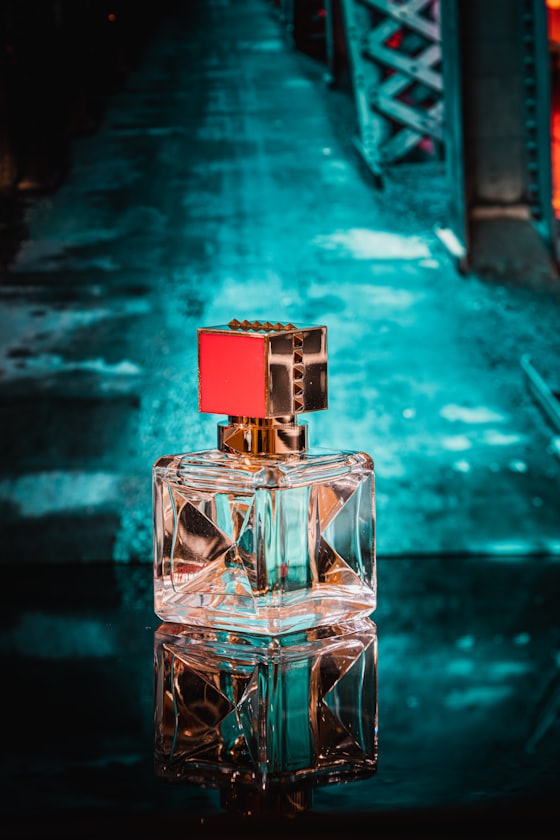
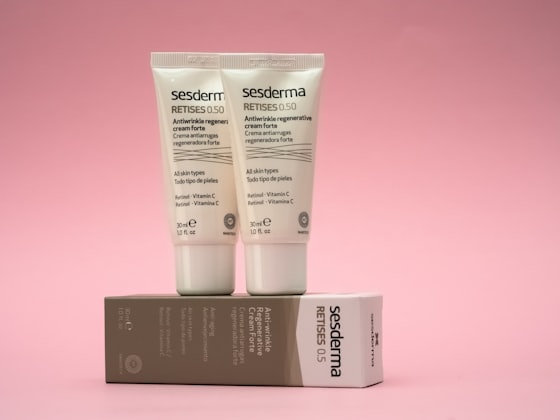
A stability study tests the product in its actual pack, since the bottle, jar, or pump shapes how the formula ages. A fragrance can bleed its scent through a plastic wall or pull plasticiser out of it. A cream can react with a metal cap or dry out through a loose seal.
A clear bottle lets light fade a dye that an opaque one would protect. The chamber ages the filled, sealed pack the customer will buy, so the result reflects the product as sold rather than the formula alone in a beaker.
Weight loss through the pack
A quiet failure shows on the scale.
A fragrance or a watery lotion can lose mass through its pack as vapour creeps out through a seal, a wall, or a pump, and over months that loss changes the strength and the fill a customer paid for. A stability study weighs the sealed pack at each pull, so a slow leak or a permeable wall shows as a falling weight long before the bottle looks empty. The chamber's steady warmth is what drives that slow loss into view.
Light, the stress the box adds
Some cosmetic changes need light as well as heat. A dye fades, a fragrance shifts, and a natural oil goes rancid faster under sunlight or shop lighting, so a stability programme often adds a light or sun exposure alongside the temperature runs. A chamber fitted with controlled lamps ages the product under a measured dose of light, so a brand learns whether a clear pack on a sunny windowsill will spoil what an opaque one keeps.
Cycling and the journey
A product rarely sits at one temperature for its life.
It rides a hot truck, waits in a cold warehouse, and bakes in a sunlit shop window, so a stability programme adds freeze-thaw and hot-cold cycling to find what the swings break. A cream that holds at a steady 40 degrees can still split when it freezes and thaws, and an emulsion that survives the lab can crack on a winter delivery. The cycling runs in the same chamber, swinging the condition on a schedule that stands in for the road.
Colour and the eye that judges it
Colour is where a cosmetic often fails first to the eye.
A dye can drift, a natural pigment can brown, and a white cream can yellow as an oil oxidises, and a customer spots it the moment the cap comes off. A stability study reads colour against the time-zero sample, by eye under set lighting and by instrument where the shade matters, so a slow drift a single jar would hide shows up across the pulls. Heat and light both push the change, so colour gets watched at every condition.
Reading the result
A cosmetic stability study reads the product on many fronts.
The look gets checked for separation, colour, and clarity. The feel gets rubbed between fingers for texture and spread. The smell gets judged by a panel. The numbers, the pH, the viscosity, the preservative level, the active content, get measured against the values set at the start. A change in any one of them, past the limit the brand allows, marks a fail, and the pattern across conditions points to what went wrong and why.
The preservative has to last too
A preservative is not a one-time dose; it has to hold its strength across the life of the product. Heat and time can break a preservative down, and a cream that was safe at launch can grow microbes once its protection has faded. A stability study tracks the preservative level at each pull and pairs it with challenge testing, where the product is deliberately dosed with microbes to prove the system still kills them. The chamber ages the product so that test reflects an old jar rather than only a fresh one.
Time zero and the baseline
Every stability study starts with a careful first reading.
Before any sample goes into the chamber, the lab records the product as made: its colour, its smell, its pH, its viscosity, its active levels, its weight in the pack. That set of numbers is time zero, the baseline every later pull is measured against. A study with a sloppy baseline cannot tell genuine ageing from normal batch variation, so the first reading gets the same care as the last, and the whole programme hangs on it.
How long the study runs
A cosmetic study runs as long as the claim it supports.
A short accelerated run of a few weeks or months guides early development, while the real-time study stretches across the full claimed shelf life, often two or three years, with samples pulled at set points along the way. The chamber holds its conditions through all of it, and a product cannot carry a shelf-life claim longer than the real-time data behind it. The length of the run is set by the promise on the box.
Period after opening
A cosmetic has two clocks, and the chamber informs both.
The first is the unopened shelf life, the time a sealed product stays good in storage. The second is the period after opening, the months a jar stays safe once a customer breaks the seal and starts dipping fingers and air into it. Stability and challenge testing together set the little open-jar symbol and its number, and the storage study behind it leans on the chamber that aged the sealed product through its claimed life.
When the formula goes natural
Natural and preservative-light formulas age harder, and the chamber feels it. A product built on plant oils and gentle preservatives is more prone to rancidity, microbial growth, and separation than one carrying the older synthetic toolkit, so its stability window is tighter and its study is watched more closely. The push toward clean and natural cosmetics has made the stability chamber busier, since a softer formula leaves less margin and needs more proof that it lasts.
Matching the study to the market
Where a product will sell shapes the study.
A cream bound for a hot, humid market gets a harsher condition than one staying in a temperate climate, and a brand selling worldwide tests to the toughest market it ships to. Regulators in different regions ask for their own conditions and durations, so a global launch can mean several parallel studies, each in its own corner of the chamber. The range of conditions a cosmetic lab can hold at once is what lets all of them run together.
The chamber a cosmetic lab needs
A cosmetic stability chamber is a temperature and humidity box built for long, steady runs and many small samples. It holds a setpoint flat for months, carries racks of jars and bottles in even air, and often pairs with separate units so room-temperature, hot, cold, and cycling studies all run at once.
Some carry lighting for the photostability work. The same care that any stability chamber needs, a mapped uniform space, a tight hold, pure water behind the humidity, and a logged record, applies here, with the added job of holding several conditions across a long programme.
Why heat forecasts and time proves
A cosmetic stability study runs on two clocks at once.
A set of samples bakes at an elevated temperature, often forty or forty-five degrees, because heat speeds the reactions that age a product, so a few weeks there can surface a separation, a colour shift, or a faded top note that would take a year at room temperature. That accelerated run is the early-warning line: a formula that fails fast under heat gets reworked before it ships, and one that holds usually holds far longer in the real world. The hot samples guide the formula and speed development.
The real-time samples are what the claim rests on.
A product that survived weeks of heat still has to prove it over the actual months or years it claims, so a brand keeps room-temperature samples for the full shelf life and reads them at set intervals, watching the look, the feel, the smell, the pH, the viscosity, and the preservative level against the values set at the start.
A claim made on heat alone, with no real-time backing, stands on a forecast a regulator can question. The chamber holds both conditions steady through the programme, and the date on the box rests on the slow samples confirming what the fast ones predicted.
Pulling it together
A stability chamber turns the slow life of a cosmetic into a study a brand can read before launch. It ages a cream, a lotion, or a perfume in its own pack under set heat, humidity, and sometimes light, at room temperature for the real-time truth and at elevated temperatures for the early warning, so the look, feel, smell, chemistry, and pack all get watched across the claimed life. Run that way, the chamber tells a brand how long a product stays good on the shelf and in the bathroom, and catches the separation, the fade, or the lost top note before a customer ever does.