A photocopier buying guide written specifically for K through twelve schools
A 600 student colegio público in suburban Madrid running 35 teachers across primary and secondary years. A 250 student colegio concertado in Valencia operating across two campuses. An 800 student private school in Barcelona with bilingual programming. Spanish K through twelve schools run print volumes that match small businesses but face budget structures that rarely match. Public school equipment purchases run through formal procurement processes. Private and concertado schools have more flexibility but tighter budgets per pupil than commercial offices.
School print equipment lives between three constraints. Volume. Budget cycle. Durability against student handling. The right machine fits all three at once or fails on the one it missed.
The school workload profile
A typical 600 student Spanish school with 35 teachers prints 25,000 to 45,000 monthly pages with peak periods (start of term, evaluation periods, end of term reports) running 60,000 plus. The volume per teacher runs 700 to 1,200 monthly pages with significant variation by subject area and teaching style. Peak month variation runs more dramatically than typical SMB businesses.
 Print categories include worksheets and exercises, exam papers, parent communications, administrative correspondence, official curriculum documents required by the autonomous community education authority, and the occasional poster or display material. Color volume runs lower than commercial offices, around 15 to 25 percent, weighted toward the elementary years where younger students respond more to color materials. The case for matching equipment to peak workload is at recommended monthly volume.
The procurement structure
Spanish public schools (colegios públicos) procure equipment through autonomous community framework agreements (acuerdos marco) that pre qualify dealers and set rate structures. Schools select from approved options within the framework, with the procurement process typically running 4 to 8 weeks from initial requirement to delivered equipment. The framework constrains the chassis selection but simplifies the dealer comparison.
Concertado schools (publicly subsidized private schools) operate with mixed funding and intermediate procurement flexibility. Some equipment purchases route through framework processes. Others can be direct dealer agreements with proper documentation. The variation depends on the specific school's relationship with the autonomous community education authority.
Private schools (colegios privados) have full procurement flexibility and can negotiate directly with dealers. The result is more competitive pricing and faster equipment refresh cycles compared to public school counterparts. Private school decisions look more like commercial SMB office decisions in their dealer dynamics.
Volume sizing for typical Spanish schools
| Size | Monthly volume | Recommended config |
|---|---|---|
| 200 student primaria | 10,000 to 18,000 | 1x Segment 3 plus desktop printers |
| 500 student CEIP | 20,000 to 35,000 | 1x Segment 4 or 2x Segment 3 |
| 800 student colegio | 35,000 to 60,000 | 2x Segment 4 distributed |
| 1200 student instituto | 50,000 to 90,000 | 3x Segment 4 fleet |
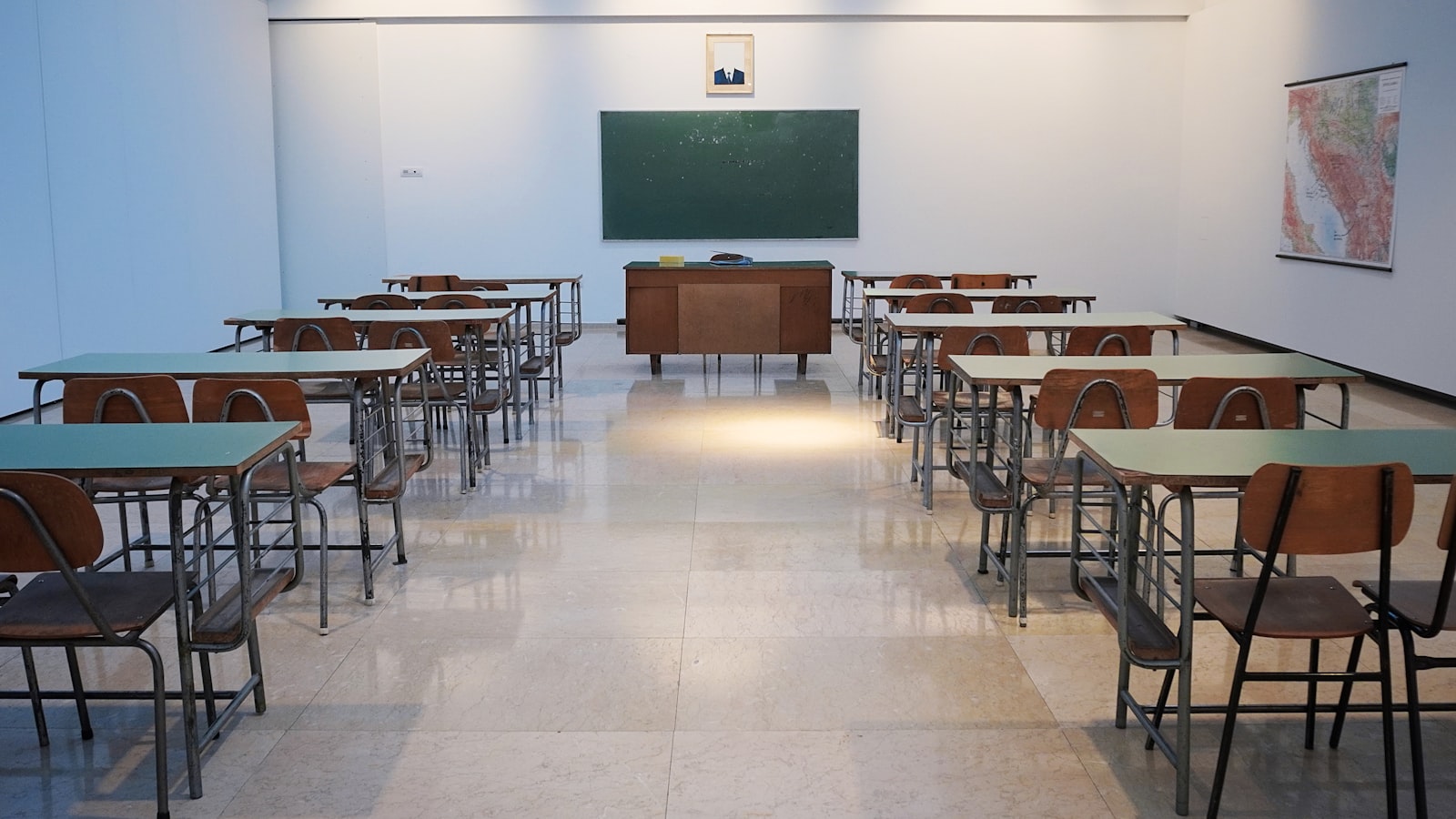 Sizing for the September peak when teachers prepare full term materials matters more than sizing for monthly average. The peak period concentrates 30 to 50 percent of certain months volume into the first two weeks of September, which stresses chassis duty cycle limits if the equipment is sized to average. The case for understanding the volume to capacity relationship is at volume planning.
Print quotas and budget management
Most Spanish schools manage teacher print volume through department or grade level allocations. The math department gets 8,000 monthly pages. Primary years get 12,000 monthly pages. Each teacher draws against their department allocation rather than printing without limits. The structure prevents budget overrun and produces visibility into per teacher and per subject volume.
Print management software platforms (PaperCut MF Education, uniFLOW Online, YSoft SafeQ) all include education focused features for quota management. The school IT team configures monthly allocations per user or per department. The chassis enforces the limits at the print queue, displaying remaining quota at the operator panel. Teachers exceeding quota request an exception through the appropriate administrative process.
The administrative overhead of quota management balances against the savings produced. Most Spanish schools running quota systems report 20 to 35 percent volume reduction within the first 12 months, with savings typically covering the print management software cost within 6 months. The case for understanding print management software is at print management software.
Durability for school environments
 School chassis face higher physical stress than commercial office equipment. Students sometimes use the chassis for legitimate purposes (yearbook committee, school newspaper, tutoring materials). Buildings get used outside normal hours for extracurricular activities and occasional rental events. Cleaning crews work around equipment after hours. The chassis lives in a more chaotic environment than typical office equipment.
Physical durability matters. Chassis with reinforced cabinets, locking access covers for sensitive components (toner, paper trays in some configurations), and solid finisher mechanisms hold up better in school environments than equipment optimized for clean office settings. Most major brand Segment 3 and 4 equipment meets this standard, but specific durability features vary across product lines and segments.
Service contract response times for schools should reflect the academic calendar. Equipment failure during the first week of term creates immediate operational problems. The same failure during summer break can wait. Negotiating contract structures that emphasize fast response during the academic year (September through June) and accept longer response times during summer often produces better total cost outcomes.
Authentication and security in school environments
Pull printing with PIN release matters in schools for two reasons. Privacy of teacher materials (exam papers especially) prevents them sitting visible in output trays. Cost tracking against per teacher quotas requires authentication to attribute jobs to specific users.
Card based authentication using teacher staff cards works well in schools that already use cards for door access or staff room access. The implementation cost runs around 300 to 400 euros per chassis for the card reader plus the print management software per device fee. The total typically pays back within the first year through quota enforcement and abandoned page elimination.
Student access to school MFPs is usually restricted entirely. Student print needs route through different equipment in computer labs or library settings. The teacher MFP stays staff only with no student access. Exceptions exist for specific student leadership or yearbook committee scenarios, where designated student users get authentication credentials with strict quota limits. The case for understanding what happens to data on the chassis is at data on the chassis.
Recommended chassis selections for schools
For a 200 student small school. A Segment 3 monochrome MFP at around 3,500 euros plus 2 to 3 desktop color laser printers at 300 to 400 euros each in heavy use departments. Total hardware around 4,500 to 5,300 euros. The monochrome focus matches school workload color profile and lowers operating cost.
 For a 500 to 800 student CEIP. Either one Segment 4 monochrome MFP plus a smaller color unit, or two Segment 3 mixed (one color, one monochrome) distributed across the school. Total hardware around 8,000 to 14,000 euros. Print management software with quota enforcement essential at this scale.
For a 800+ student instituto. A fleet of 2 to 3 Segment 4 MFPs distributed across teacher work rooms, departmental offices, or floors. Mixed color and monochrome configuration based on each location workload. Centralized print management with department level quotas and reporting. Total hardware 18,000 to 32,000 euros plus annual software fees. The case for fleet thinking at this scale is at multi machine planning.
Outsourced printing alternative
Some Spanish schools work with educational printing services that produce common materials in bulk and deliver to the school. Worksheets, exam papers in standardized formats, and curriculum materials all fit this model. The school orders monthly quantities, the service produces and delivers, and the in house equipment handles only ad hoc printing.
The economics work for schools producing very high volumes of standardized materials. A 800 student instituto producing 100,000 worksheets monthly might find the per page cost from a specialized educational printer (around 0.012 euros per monochrome page) competitive with in house operating cost (around 0.005 to 0.008 euros per page on a service contract) once equipment and service fees are factored in. The trade off is reduced flexibility for last minute material changes.
Most Spanish schools end up with hybrid models. Bulk ordered materials for standardized content. In house equipment for ad hoc and time sensitive output. The mix depends on each school's specific volume profile and operational patterns.
The simple decision rule for K through 12 schools
 For a 200 student small school. One Segment 3 monochrome MFP plus 2 to 3 satellite color desktop units. Hardware purchase around 4,500 to 5,300 euros if budget allows, or 60 month lease at around 90 to 110 euros monthly. Service contract on the main MFP at around 80 to 130 euros monthly.
For a 500 to 800 student CEIP or colegio. Either a Segment 4 monochrome plus smaller color, or two Segment 3 mixed color/mono. Hardware lease around 200 to 350 euros monthly. Service contract around 200 to 350 euros monthly. Print management software with quota enforcement around 80 to 150 euros monthly across the fleet.
For 800+ student instituto. Multi machine fleet at Segment 4. Hardware lease around 400 to 700 euros monthly. Service contract around 400 to 700 euros monthly. Full print management software with department quota enforcement, audit reporting, and fleet visibility. Total monthly print related operating cost around 900 to 1,500 euros across all categories. The connection to fleet planning logic at this scale is at fleet thinking.
Spanish K through 12 schools run print volumes between 10,000 and 90,000 monthly pages depending on enrollment. Procurement structure varies by school type. Print management software with quota enforcement reduces volume by 20 to 35 percent in most schools. Card based authentication using existing staff cards works well. Service contracts should reflect the academic calendar with fast response during term and slower response acceptable during summer. The right configuration combines durable chassis sized to peak periods, print management software for quota visibility, and outsourcing for the highest volume standardized materials when economics favor it.