How to tell whether you need an office class copier or a production class one
Sales reps for production print equipment make their best money on offices that did not actually need production equipment. The walk through goes the same way every time. The dealer takes a look at the office, sees a few finishing requirements come up in conversation, and quotes a Canon imagePRESS V900 or a Xerox PrimeLink C9085 starting at 32,000 euros. The quote looks impressive on the proposal. Three months after install, the machine sits at 8 percent of its rated monthly volume and the lease bill arrives at 1,400 euros every thirty days for capacity that nobody uses.
Drawing the line between office class and production class equipment correctly is the difference between paying 4,000 euros for a machine and paying 60,000.
What office class actually covers
Office class machines, in dealer language, run from Segment 1 through Segment 5. The category covers desktop A4 printers at 20 pages per minute on the low end and floor standing A3 color MFPs at 70 pages per minute on the high end. Models in this band include the Canon iR-ADV C3826i, the Ricoh IM C3000, the Xerox AltaLink C8035, the Konica Minolta bizhub C360i, the Sharp BP-50C45, and the Kyocera TASKalfa 4054ci. Speed bands roughly 20 to 70 pages per minute color, 25 to 90 pages per minute monochrome.
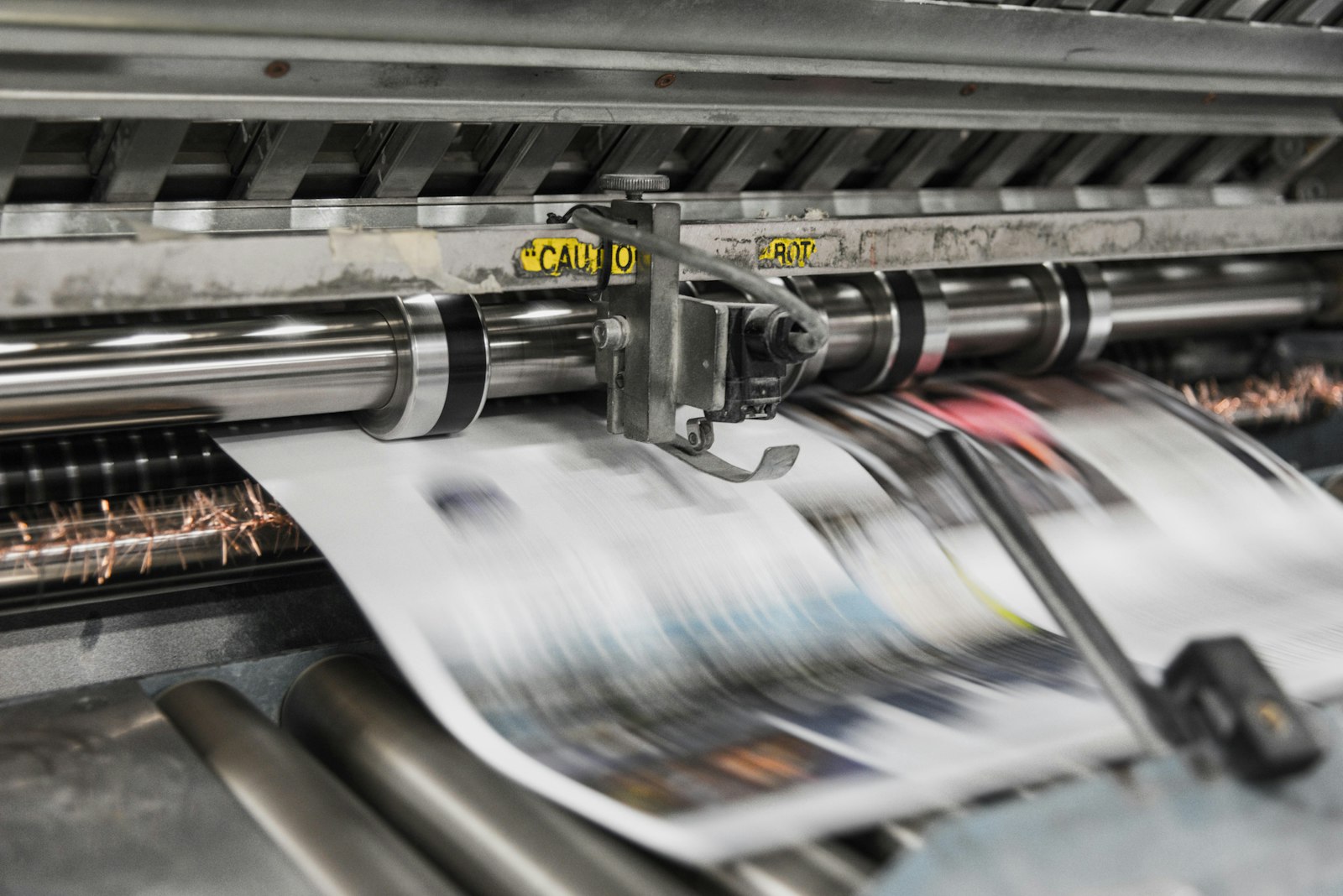 Office class units are designed to be operated by anyone in the office without training. Touchscreen panels with simplified workflows. Standard finishing options like stapling, hole punch, and basic booklet making available as add ons. Recommended monthly volumes between 5,000 and 50,000 pages depending on segment. Hardware list prices between 800 and 12,000 euros, lease payments between 50 and 350 euros a month over 60 months. The two paragraph definition of what these machines do as a category is at The simplest possible explanation of what a multifunction printer does.
What production class adds
Production class equipment, sometimes called Segment 6 or above, sits in a different category. The defining feature is the volume the machine is engineered to handle without breaking. Recommended monthly volumes start at 75,000 pages and reach above 1 million on the heaviest sheet fed digital presses. Top end output speeds reach 130 pages per minute color and 175 pages per minute monochrome.
Models include the Canon imagePRESS V900 and V1010, the Xerox Versant 4100 and PrimeLink C9085, the Konica Minolta AccurioPress C7100 and C14000, the Ricoh Pro C7500, and at the high end the HP Indigo 7900 series. Hardware list prices start around 32,000 euros and reach above 250,000 on flagship configurations. Lease payments run between 1,000 and 6,000 euros a month.
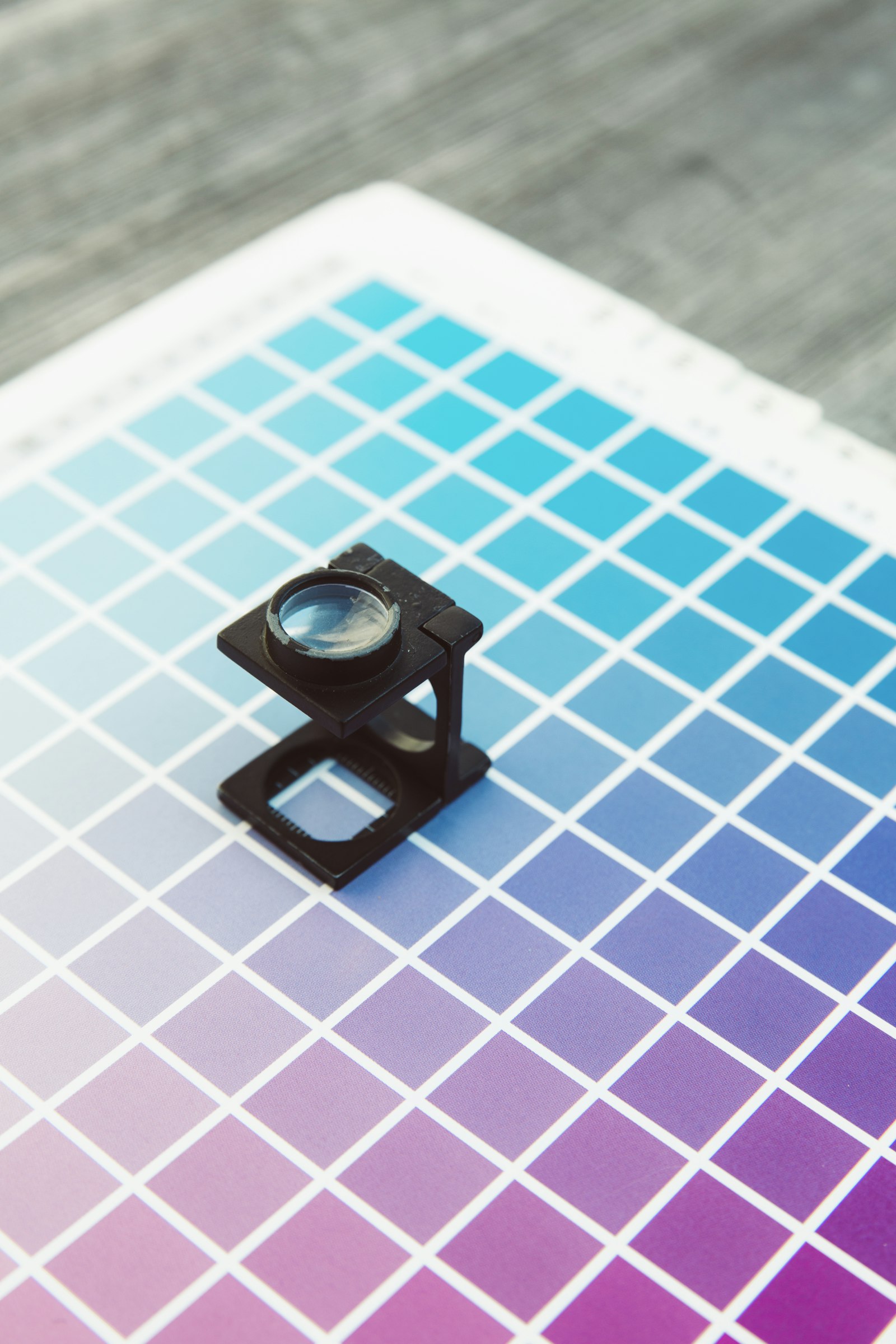 The hardware differences are visible. Larger toner reservoirs running 1,500 grams per cartridge instead of 250 grams. Heavier fusers built for continuous operation. Multiple paper trays accepting 5,000 to 12,000 sheet capacity. Inline finishing units that handle perfect bind, saddle stitch up to 100 pages, square fold, three knife trim, hole punch with multiple pattern options, and on some configurations spot UV coating. Color management hardware including inline spectrophotometers for automatic color calibration. Operator panels designed for trained press operators rather than office staff.
The volume threshold
The single most reliable signal that an office has crossed into production class territory is monthly print volume. The threshold sits around 75,000 pages a month. Below that figure, an office class machine handles the workload at lower acquisition cost, lower service cost, and lower operator burden. Above that figure, an office class machine starts hitting its duty cycle ceiling and breaking down on schedule, and the math flips toward production class equipment.
Office volumes that high are unusual. A Spanish SMB of 25 staff printing 1,200 pages a person a month runs at 30,000 pages total. A 100 person office printing the same per capita rate runs at 120,000. So the threshold for production class lands above the per capita output of most offices below 50 staff. Where this threshold maps to the dealer segment classification is at What the industry copier segments from one through six actually mean for you.
The finishing requirement test
The second signal is what the machine has to produce. Office class finishing handles stapling up to 50 sheets, hole punch in 2 or 4 hole patterns, and saddle stitch booklets up to 20 sheets. Anything beyond that range starts pushing toward production class.
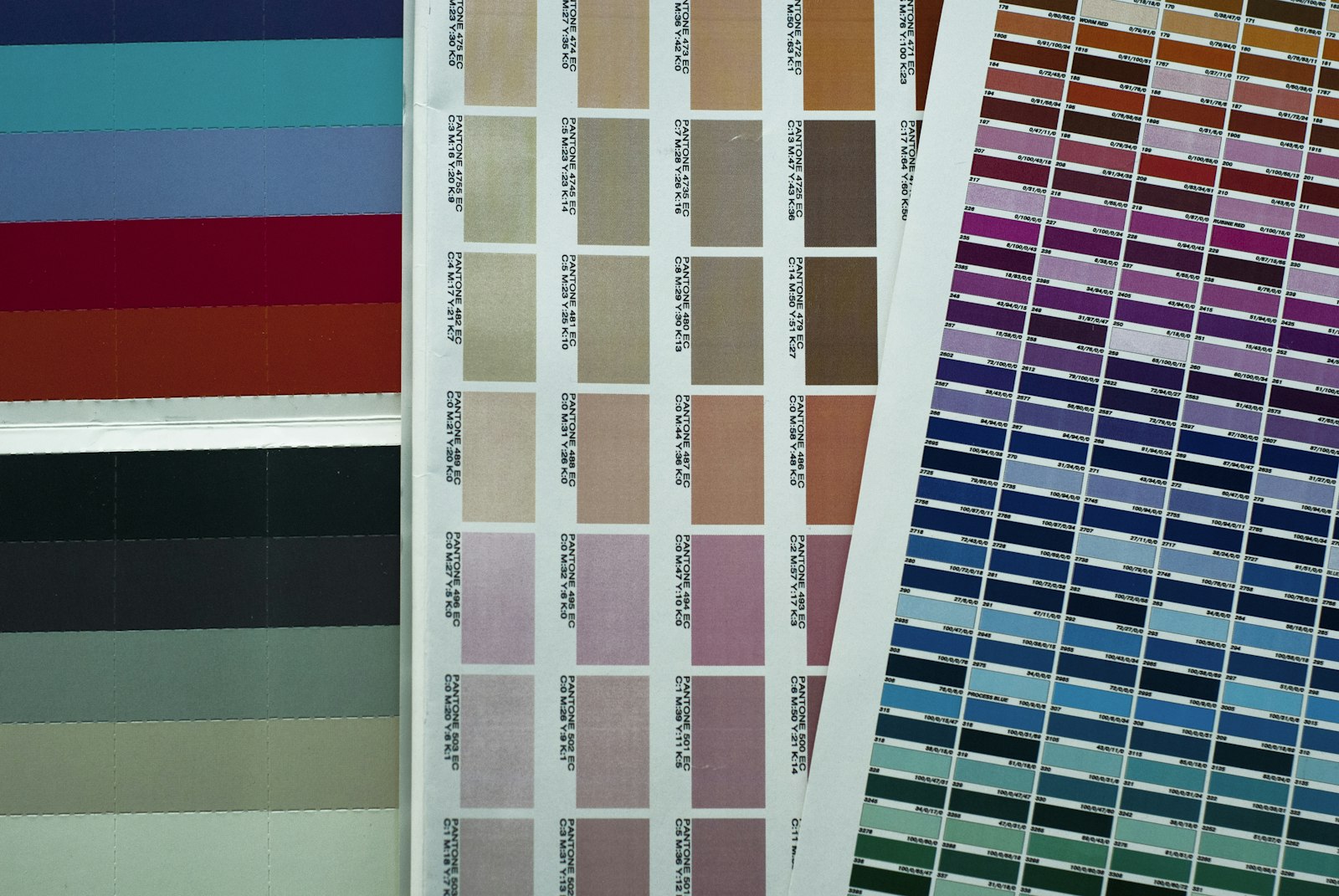 A real estate firm producing brochures with perfect bind spines and full bleed cover printing needs production class. A school district printing standardized test booklets at 90 pages saddle stitched needs production class. A direct mail house running variable data printing on each piece needs production class. A government agency producing court records with three knife trim and stamped foil cover needs production class. None of these workflows are typical office workflows.
The reverse is also true. An office producing internal reports with comb binding done on a separate manual binder. An office stapling 30 page proposals on a built in finisher. An office printing color marketing flyers with simple folding. None of these need production class. The case for staying in office class with a smaller machine, even when production class is being pushed by a sales rep, sits at When a single function printer makes more sense than a multifunction one for the smallest end of the spectrum.
The cost difference across five years
Office class total cost. A Segment 4 office MFP at 6,000 euros hardware, plus a 60 month service contract at roughly 80 euros a month all inclusive. Total over five years sits at around 10,800 euros. Toner is included in the per page service rate. Service response time runs at 4 to 24 hours depending on contract. Recommended monthly volume covers most office workloads.
Production class total cost. A Canon imagePRESS V900 at 45,000 euros hardware, plus a 60 month service contract at roughly 700 euros a month all inclusive. Total over five years sits at around 87,000 euros. Color toner runs separately for the larger cartridges. Service response time runs at 4 hours guaranteed with on site technician. Recommended monthly volume covers print shop level workloads.
 The 76,000 euro spread between the two scenarios is real money for any business. The spread only justifies itself when the office actually uses the production class capability often enough that the per page cost lands at parity with or below the office class option. That parity point sits roughly at 75,000 pages a month, which is what the volume threshold predicts. Where the office class story stops and the office volume question gets clearer is unpacked at How a photocopier differs from a printer an MFP and a copier in everyday office life.
When production class actually pays off
Print shops. The category lives entirely on production class equipment. A two operator print for pay shop in Madrid running 200,000 pages a month earns its money on the volume side rather than the hardware side. The Canon imagePRESS or Konica Minolta AccurioPress in the back room is the production line.
In plant print departments at universities, large law firms, and government agencies. Some organizations operate internal print shops that handle volume above 100,000 pages a month for multiple internal clients. The economics resemble a small commercial print shop. Production class equipment in those internal shops earns out within three to four years.
Direct mail and marketing operations. Companies running variable data printing, where each printed piece carries unique customer data, need production class equipment with the variable data engine integrated. Variable data on office class machines is technically possible but produces output at a fraction of the speed and at much higher per page cost.
Wedding and event photography labs. Niche category. Volume of color prints to specific paper sizes runs through production class systems with photographic finishing.
How to spot a salesperson selling overkill
 A sales rep who recommends a 30,000 plus euro machine without first asking about monthly volume is selling on commission rather than on need. The five questions a competent dealer should ask before quoting at the production class price point. What is the average monthly print volume across the office. What is the peak monthly volume during the busy season. What finishing operations are required and how often. Who operates the machine, office staff or trained press operators. What is the budget over the contract period.
If any of those questions go unasked, the proposal is overstated. Asking the dealer directly about expected volume for the proposed machine usually reveals the gap. A machine quoted at 80,000 pages a month recommended volume facing an office that prints 12,000 a month is not the right machine. The proposal carries 700 euros a month of unused capacity that the office pays for. Pushing back at that point reveals whether the dealer has another, more appropriate quote in the same drawer.
The reverse mistake also exists. An office that genuinely runs production class workloads buying office class equipment ends up with a machine that breaks every two months under load. Service contracts cap on the number of breakdowns covered. After the cap is reached, additional repairs run at retail rates. The annual repair bill on an under specified machine often exceeds the lease payment on the right machine.
Office class fits offices. Production class fits print shops. The line is volume, finishing, and operator training. Anything that looks like a print shop in those three dimensions belongs on production class equipment. Anything that does not should stay on office class and put the difference into staffing or rent.